White Sox Home Dominance Reaches Critical Mass Against Title Defense
By Ty Whitney ·
Chicago's eighth straight Rate Field victory dismantles the defending two-time World Series champions, cementing a sustainable edge in park-factor hitting that bettors have yet to fully price.
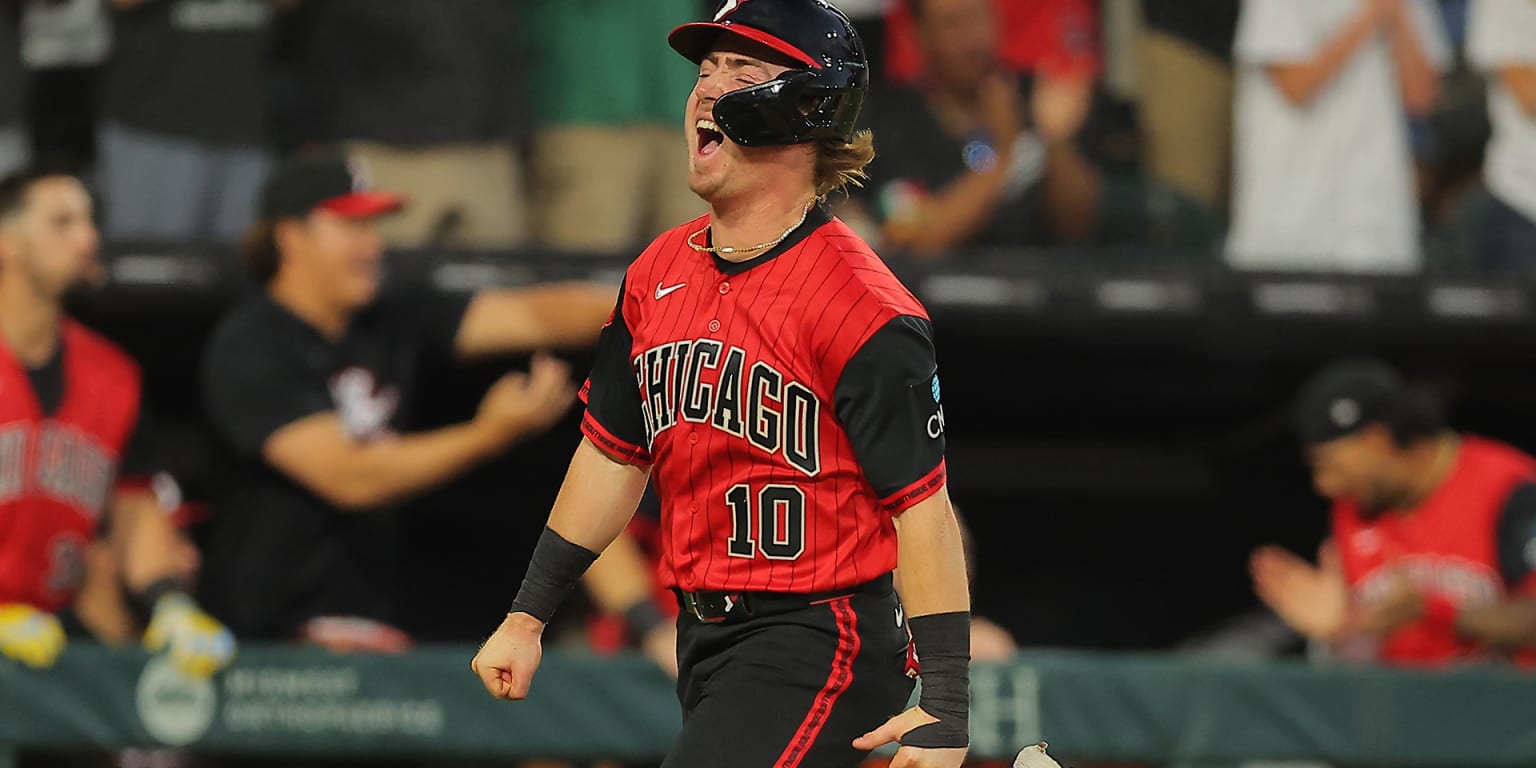
The White Sox carved up Roki Sasaki and the Los Angeles bullpen for eight runs Friday night, punching their ticket to an 8-2 rout of the two-time defending World Series champion Dodgers. That eighth consecutive home win pushed Chicago to 19-3 over their last 22 games at Rate Field—a .792 winning percentage at home that now trails only the best-positioned contenders in the league. The team sits 37-31 overall, a season-best six games above .500 and clinging to a half-game lead over the Guardians in the AL Central.
What separates this White Sox surge from a typical hot streak is its composition. The devastation came not from a single star but from depth hitting: Miguel Vargas drove in the go-ahead run with a double, Chase Meidroth singled home two runs and extended his hit streak to 12 games, and Braden Montgomery drew the walk that forced a run. Anthony Kay, meanwhile, navigated a messy second inning to limit the defending champs to two runs across five frames, striking out seven. That balance—contact-heavy offense paired with competent enough starting pitching—has become Chicago's home identity.
The fifth-inning onslaught itself offers a mechanical lesson in what's working. Sasaki arrived in the fifth holding a 2-1 edge, then watched the first four White Sox hitters reach base before recording an out. When relieved by Blake Treinen, the damage only accelerated. This wasn't a cold-start problem for Sasaki; it was a combinatorial collapse—Chicago put runners in position and didn't miss pitches in the zone. Rate Field's dimensions amplify this edge. The park plays approximately 10 feet shallower down the lines than league average, and a team that manufactures eight-pitch at-bats and puts the ball in play—as Tristan Peters did for a two-run triple—compounds that advantage.
For bettors, the data is now impossible to ignore. Chicago is 19-3 at home over 22 games; that's not variance. The Dodgers, despite their pedigree, could not contain a team that has internalized its home park. Meidroth's 22-game on-base streak suggests he's not a beneficiary of luck but of approach—he's seeing pitches and making contact at a rate that travels. When the White Sox are favored at Rate Field over the next few weeks, particularly against teams that don't attack the zone aggressively, their moneyline and team totals will have already absorbed some of this edge. The real angle lies in which opponents Chicago faces at home and how quickly the market reprices. A team 19-3 in its last 22 at home will command higher juice on moneyline plays; the value now exists in their run-production totals against weaker pitching, where the underlying mechanism—park factor plus contact-rate maturity—won't evaporate in a week.
The half-game lead in the Central also matters. Consistency in close divisions doesn't survive variance; it survives systems. Chicago's system works at home, and until road performance stabilizes, their home games represent the truest expression of their actual strength.