Fairbanks' Thoracic Outlet Surgery Ends Marlins Relief Window
By Erik Schwartz ·
A franchise-record reliever signing implodes after nine months; Miami's closer role opens for the stretch run and beyond.
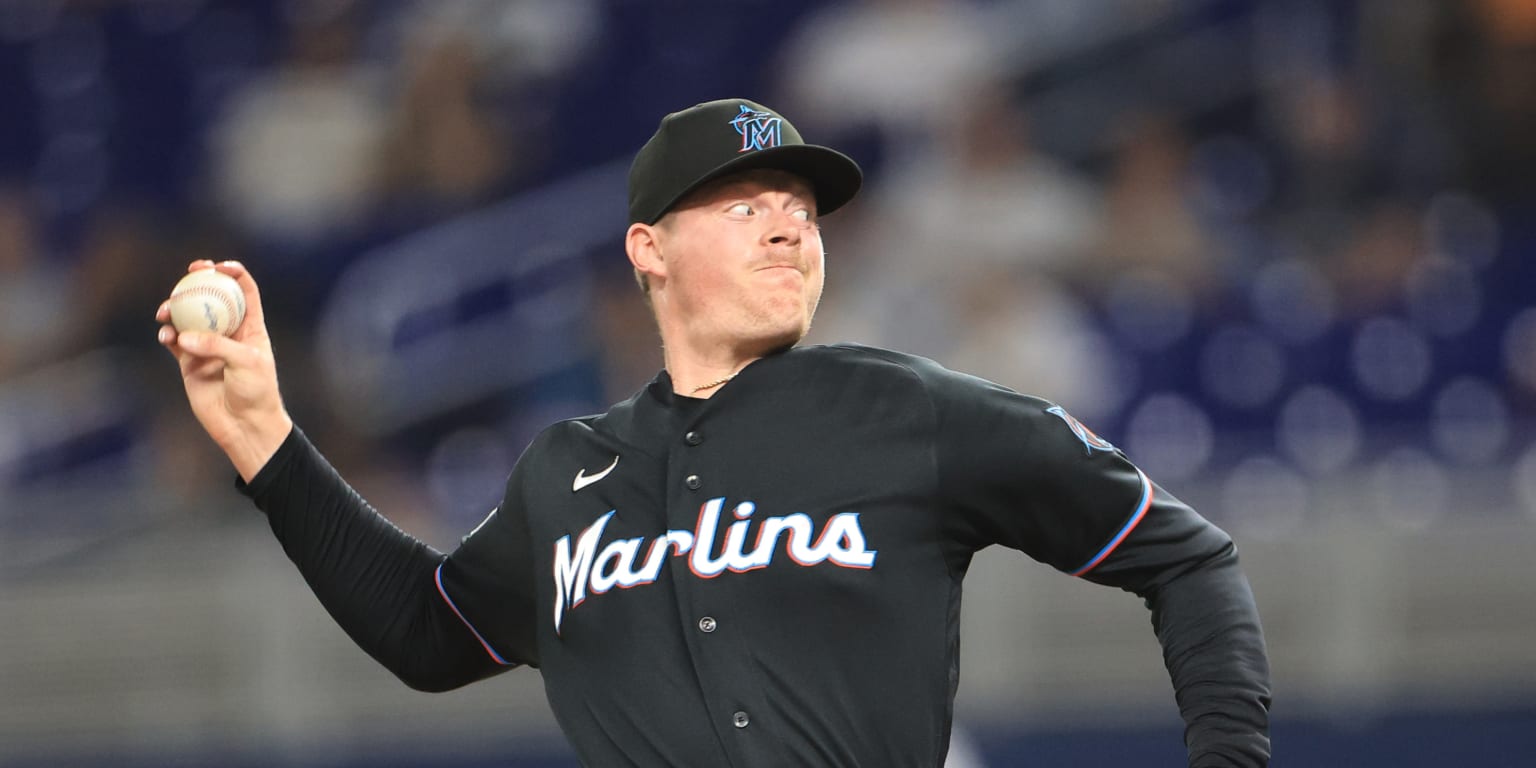
Pete Fairbanks will undergo surgery for thoracic outlet syndrome, the Marlins announced Friday, effectively ending his tenure with the team that inked him to a $13 million one-year deal last offseason. The procedure—scheduled for a later date with Dr. Gregory J. Pearl—carries a nine-to-ten-month recovery window for pitchers, sidelining Fairbanks through at least early June 2027. The diagnosis clarifies what had been a creeping dysfunction: nerve compression in his neck and shoulder triggered three mid-game exits this season, most recently Monday in Arizona, where Fairbanks described losing proprioception and sensation in his right arm.
Fairbanks arrived in Miami as a proven commodity—a reliever with a sub-3.00 ERA through his first three seasons with Tampa Bay. Instead, he posted a career-worst 6.31 ERA across 46 outings and 41 1/3 innings, converting only 19 of 23 save chances. The collapse wasn't volatility or bad luck; it was a physical warning system that went unheeded until the nerve irritation became acute. The thoracic outlet syndrome diagnosis puts him in clinical company with Zack Wheeler, Merrill Kelly, Stephen Strasburg, and others who have undergone the same surgery—established arms whose post-op returns have been mixed. Wheeler returned to elite form; others took years to rediscover velocity or command.
For Miami, Fairbanks' removal from the rotation solves an immediate triage problem while creating a deeper one. The Marlins must name a closer for the final two weeks of the 2026 season and, more consequentially, chart a relief-corps composition without a $13 million anchor. Manager Clayton McCullough signaled pragmatism in his comment—"the good thing is now [he] found hopefully a way for him to kind of put this behind him"—but the franchise has now burned a year and considerable payroll on a reliever who threw 41 1/3 innings and generated a negative WAR contribution.
From a wagering perspective, Marlins bullpen props and team totals warrant immediate reassessment. The loss of Fairbanks—even a diminished version—tilts the relief leverage profile toward younger, less-proven arms inheriting high-leverage situations. Save opportunities may migrate to a committee structure or a secondary closer, creating volatility in individual-reliever props for whoever assumes ninth-inning work. Miami's bullpen ERA, already inflated by Fairbanks' presence, should stabilize slightly; however, the lack of a trusted ninth-inning anchor increases variance in close games. Any Marlins under/over at the team-total level should account for diminished reliever reliability late—tighter margins, more one-run losses baked into the tail risk.