A.J. Ewing's MLB Debut: Contact and Speed Over Power—What It Means for Mets Run Props
By PropBetEdge Editorial Team ·
The Mets' 21-year-old prospect arrives with elite plate discipline and 17 steals in 30 minor league games, but below-average exit velos raise questions about offensive ceiling in the majors.
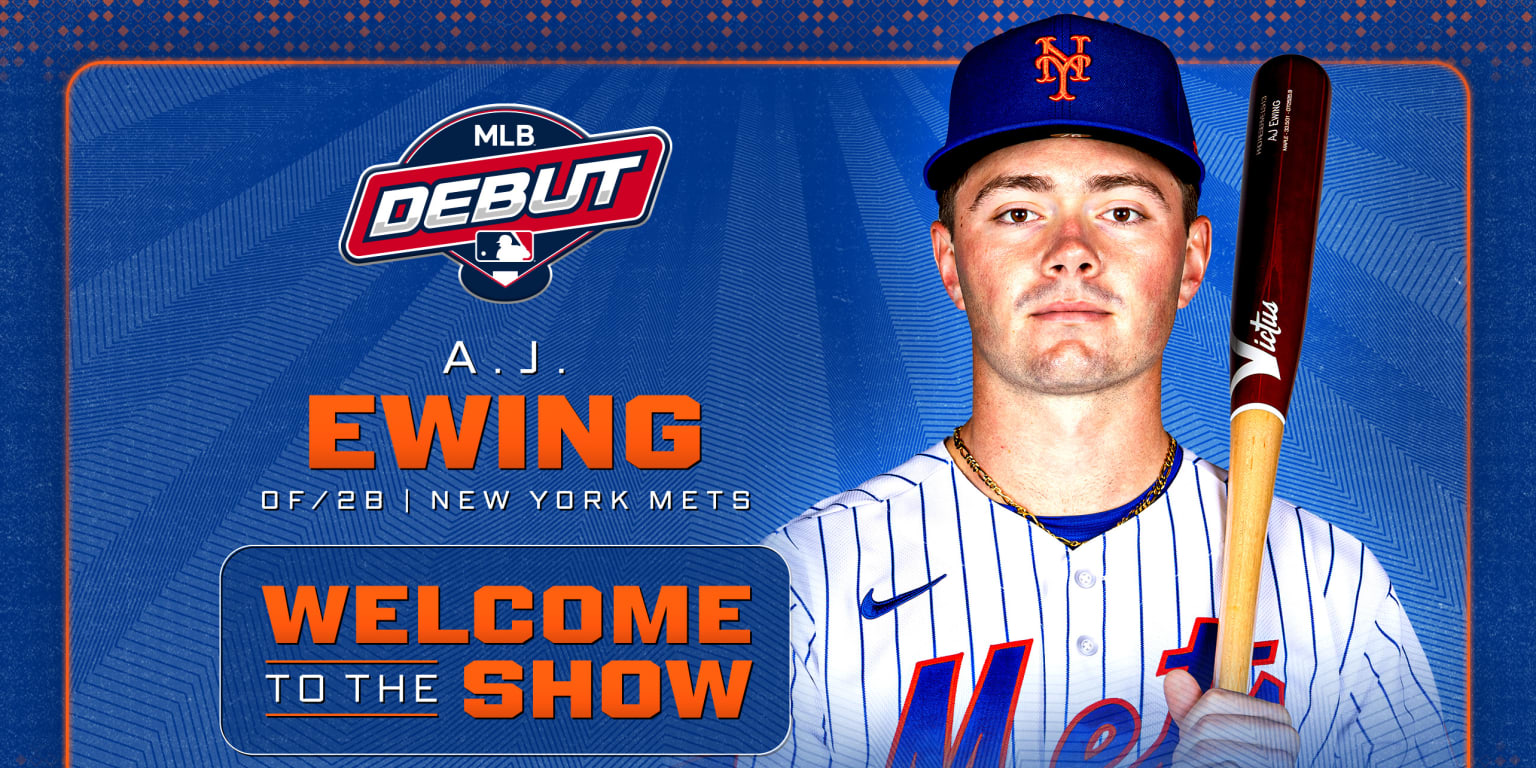
The Mets are promoting A.J. Ewing to the majors on Tuesday, banking on the 21-year-old to inject pace and contact into a franchise in flux. Ranked 78th overall by MLB Pipeline and set to climb 40+ spots on an upcoming update, Ewing arrives off a .339/.447/.514 line across Double-A and Triple-A competition with a disciplined 20/22 strikeout-to-walk ratio in 30 games. The calling card, though, isn't his power—it's his wheels and his bat control.
Ewing's offensive profile skews toward high contact and spray, not distance. At Triple-A Syracuse, his in-zone contact rate hit 90.5 percent, and he doesn't chase pitches outside the zone across any pitch type. That selectivity and hand speed allowed him to post a .326 average in 12 Triple-A games despite a hard-hit rate of 34.1 percent (22nd percentile in the majors) and just a 108.8 mph max exit velo. He's a hit-over-power prospect built to pressure defenses through legs, not lumber—which matters when you're 21 and jumping to the majors. Last year in the minors he stole 70 bags (fifth-most in organized ball), and this season he's nabbed 17 in 18 attempts across two levels. The Mets' center field defense currently ranks 26th in baseball, and Ewing's defensive reviews suggest plus instincts in the grass; his Spring Training sprint speeds included three "Bolts" (30+ ft/sec)—the entire Mets roster has four on the season, all Luis Robert Jr.
For betting purposes, Ewing's arrival tilts Mets run projection slightly upward over the next week or two, but the impact is modest and conditional on playing time. A 21-year-old contact hitter and speed merchant can stretch a double into a triple and manufacture runs through aggression on the bases, but he's unlikely to drive run totals higher through power. Expecting him to immediately slot into a high-scoring role is premature; the Mets will likely ease him in and monitor his ability to square up major-league velocity. The power profile—below-average in the minors—suggests he'll lean into his legs and approach rather than bump team slugging significantly.
If Ewing earns regular at-bats in the lineup, look for subtle shifts in stolen base and runs-scored props rather than RBI or slugging totals. A 90%+ in-zone contact rate and 70-steal seasons in the minors point to a player who can rack up low-count runs and leg-based value, but not power-dependent production. Team totals for the Mets stay roughly in place unless he displaces a high-impact bat; instead, individual stolen base props and first-5-innings run lines become more relevant if he's batting leadoff or in the two-hole. For now, treat Ewing as a defensive and baserunning upgrade with long-term upside—not an immediate offensive catalyst.