Estrada's Knee Sidelines Padres' Fourth Relief Arm; Bullpen Depth Absorbs the Hit
By PropBetEdge Editorial Team ·
San Diego loses a high-leverage reliever mid-season, but the depth behind him may cushion the blow—and reshape late-inning leverage assignments for the next two weeks.
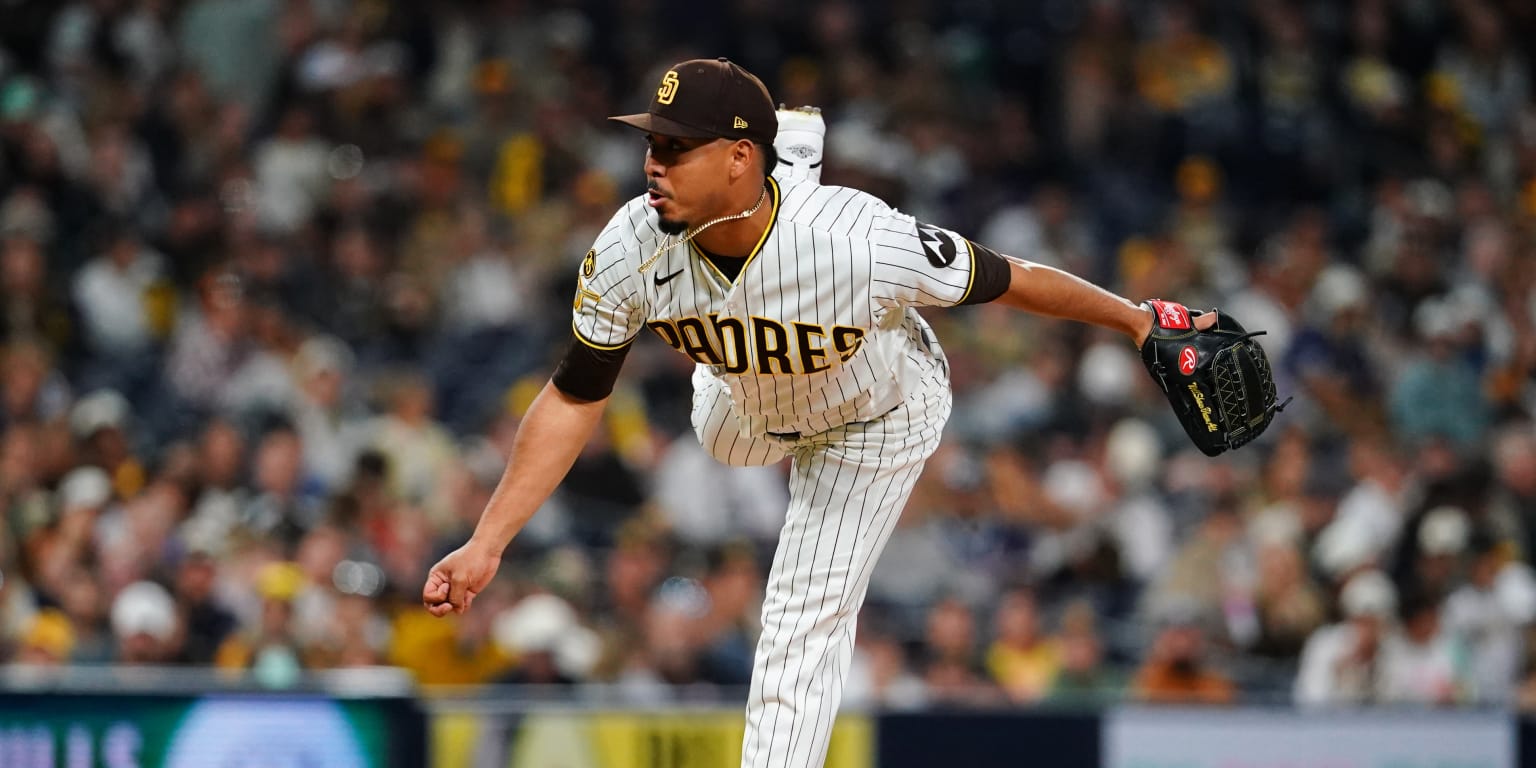
The Padres placed right-hander Jeremiah Estrada on the 15-day injured list Friday with right knee inflammation, marking his second trip to the shelf this season. Estrada had been operating as the organization's fourth high-leverage option behind closer Mason Miller and setup men Adrian Morejon and Jason Adam, posting a 3.48 ERA across 21 appearances. The injury stems from mechanics—manager Craig Stammen cited trouble pushing off the mound—and is retroactive to June 3, meaning Estrada's earliest possible return falls on June 19, just 14 days away. David Morgan, a right-hander recalled from Triple-A El Paso, takes his roster spot.
The timing cushions the blow more than it might appear. San Diego's bullpen ranks among the majors' deepest, and Estrada's absence opens opportunity for Bradgley Rodriguez, the rookie right-hander who has posted a 1.57 ERA in 25 outings and has begun earning high-leverage spots. Rodriguez carries the stuff and early track record to slide into Estrada's role without catastrophic downgrade. Morgan, the recall, figures as a depth piece rather than a direct replacement—he'll slot into middle innings alongside Ron Marinaccio, though his 6.08 ERA and elevated walk rate (11 in 13⅓ innings) early this season make him a volatile option in tight spots.
The roster mechanics matter for bettors tracking Padres bullpen leverage over the next two weeks. Estrada's removal from the equation forces a slight deprioritization of Morgan in high-leverage moments—he becomes a depth arm, not an option. Rodriguez ascends into the fourth-inning role, which shifts the usage profile of the entire relief hierarchy. When San Diego's lead shrinks to one or two runs in the seventh or eighth, expect Rodriguez to see earlier deployment than he would have with Estrada healthy. This creates a live edge: Rodriguez's strikeout rate (10.6 K/9 in 41⅔ innings) is significantly higher than Estrada's (7.6 K/9), meaning the composition of San Diego's bullpen literally changes for K production per inning pitched.
For team-total prop angles, the Padres' offensive burden doesn't meaningfully shift—Estrada was a reliever, not a position player—but the confidence calculus around close games does. A team trailing by one entering the eighth inning now sends out a higher-strikeout reliever in Rodriguez rather than preserving Estrada. That subtly increases variance in tight contests. Bettors should monitor how San Diego's run environment behaves in games decided by one or two runs through mid-June. If Rodriguez's K rate inflates Padres strikeout totals while simultaneously introducing slightly more volatility in low-leverage situations, that becomes a tradeable signal for team total unders on nights where Rodriguez draws late-game work.