Emerson's Two-Week Sprint: Why Seattle's Rookie Shortstop-in-Waiting Is Already Prop-Relevant
By Ty Whitney ·
Colt Emerson's disciplined plate approach and max-effort baserunning over his first 16 games suggest the Mariners' third baseman carries real batting-line upside—even at a 20-year-old's typical rookie-year variance.
Colt Emerson has now played every inning at third base across his first 16 games with Seattle, and the through-line isn't just raw talent—it's the discipline of someone already operating at a major-league pace. Called up on May 17, the 20-year-old has accumulated 57 plate appearances and built a .255/.333/.549 slash line with eight extra-base hits in his first 13 knocks. That 61.5% rate of hits leaving the yard is volatile and will regress, but the underlying selectors driving it—pitch recognition, sprint speed in the 28+ range on routine plays—remain.
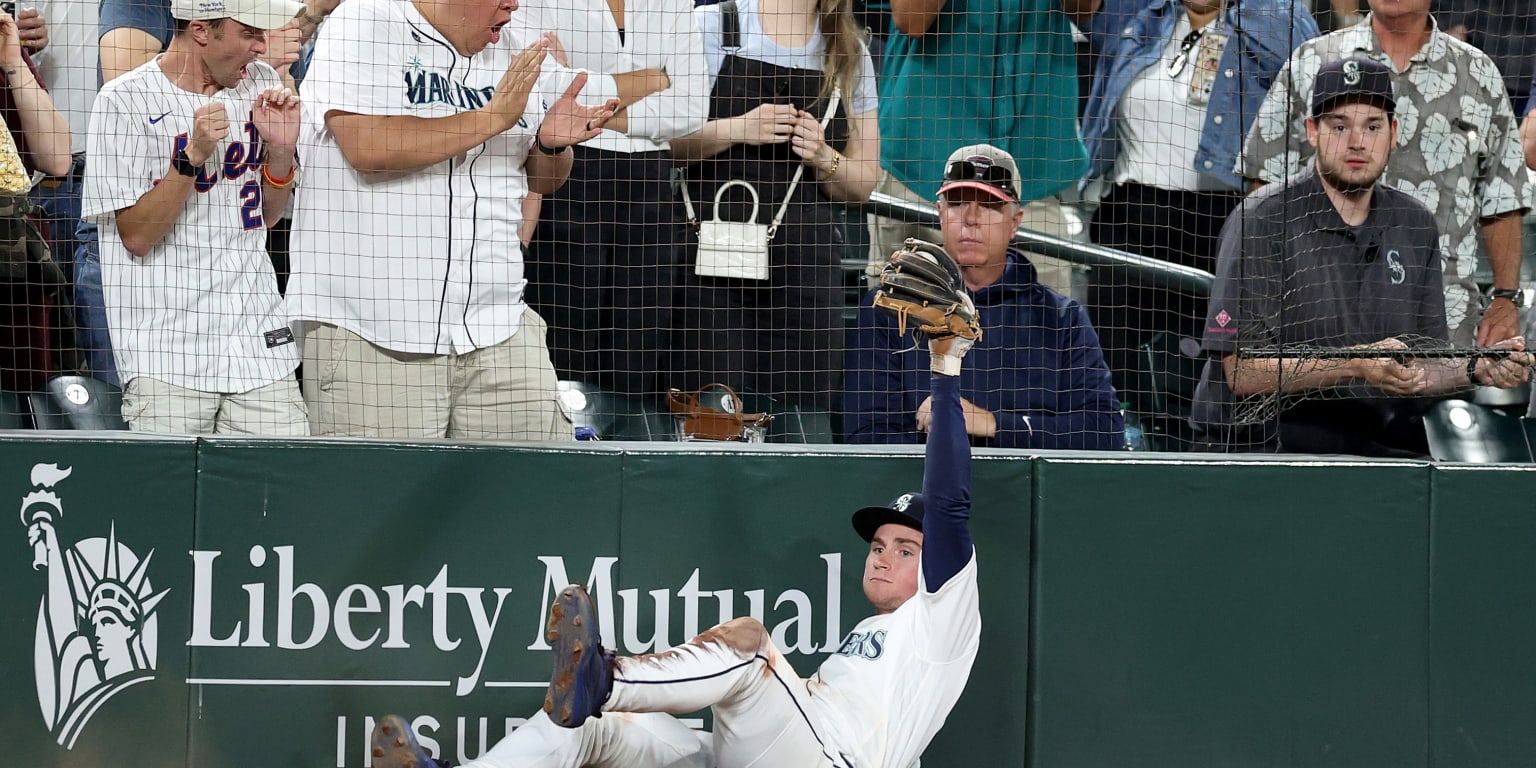
Manager Dan Wilson's framing cuts straight to Emerson's behavioral edge: "Wherever that comes from, it comes from a really good place." That translates into measurable behavior. Emerson sees 4.31 pitches per plate appearance, well north of MLB's 3.88 average, which signals a hitter actively working counts rather than chasing early. On Tuesday alone he executed a read-and-react bunt into the third-base line (28.2 feet-per-second exit velocity on foot), then dove into second on a hustle double at 27.9 feet-per-second sprint speed—elite-proximity effort on a play most rookies make an out. He capped the night with a full-extension foul-territory catch in the seventh inning of a game already decided. That's not noise; that's a player who has internalized that every at-bat and every defensive rep compounds his case.
Where the market likely misprice Emerson is in his short-term prop trajectory. Books opened his hit, RBI, and run totals using baseline rookie-season splits—typically conservative, anchored to 40-PA benchmarks with .240 BA assumptions. Emerson's current .255 average sits above that floor, and his plate discipline (4.31 pitches/PA) is a persistent trait, not a two-week mirage. He's also locked into a 16-game playing streak at a premium position, which means volume is secured for at least another week. The extra-base rate will compress—eight extra-base hits in 13 total hits is unsustainable—but the walk rate and the contact quality (slugging .549 on 57 PA) give him real over-juice on hit and run props if his line remains sticky.
The risk layer sits in regression. Emerson's .549 slugging percentage will almost certainly fall toward .440–.480 territory as he faces tougher arms and pitchers acquire data on his tendencies. Over-buying his next 3–5 games on batting-average or slugging props is a classic rookie-pop trap. But lean-over edges exist on his hit totals (4.5+) and team-total runs for Seattle when Emerson is in the lineup, because his combination of pitch discipline and effort-maximization on the basepaths generates marginal scoring upside that box-score-only models undervalue. The Mariners' offense flows differently when a lineup member sees 4.31 pitches per PA and takes second base on a double off a lesser arm—it pressures opposing defenses in ways that inflated batting averages alone don't capture.
Crawford's role as mentor and the team's patience with Emerson at third base (rather than shuffling him to shortstop immediately) also signals internal confidence. That stability in usage is prop-relevant. Until the regression arrives—and it will—Emerson remains a buy on effort-correlated props: runs, hits, and team totals in games where he keeps his plate discipline and the Mariners face lower-tier arms.