Misiorowski's Velo Ceiling Just Rewrote the Record Book—and What It Means for His Strikeout Props
By PropBetEdge Editorial Team ·
The Brewers' 24-year-old ace torched St. Louis with 12 strikeouts and 57 triple-digit fastballs in a single game, establishing new pitch-tracking era benchmarks and raising the floor on what's sustainable.
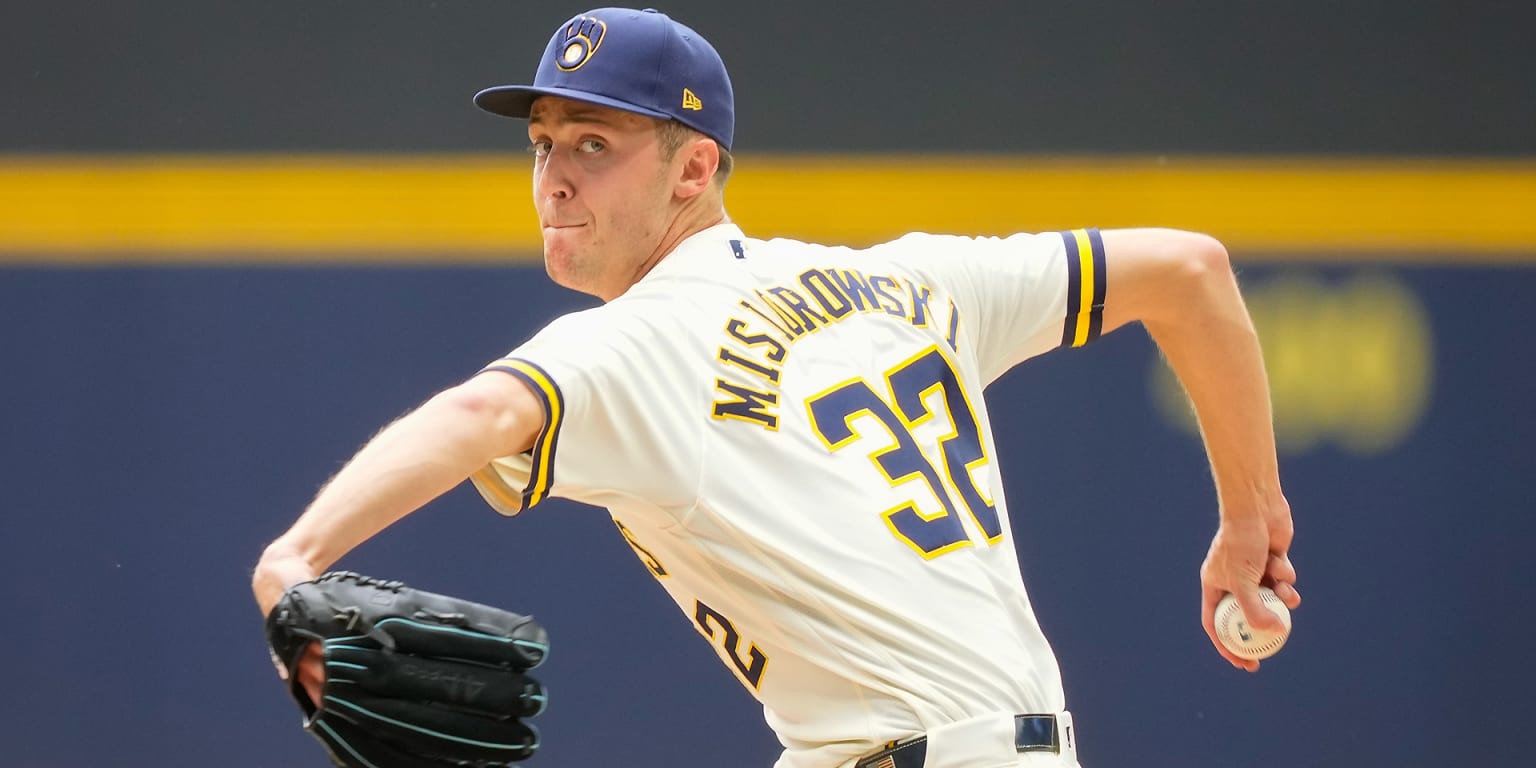
Jacob Misiorowski spent his Memorial Day start against the Cardinals conducting a masterclass in velocity dominance. The 6-foot-7 righty threw 57 fastballs at 100 mph or faster across seven innings—obliterating Hunter Greene's previous single-game record of 47 by double digits. He tied Greene's mark of nine strikeouts on pitches at triple digits and finished with 12 Ks overall, pushing his season total to 100 and reclaiming the MLB strikeout lead from Dylan Cease. St. Louis managed two hits and one run (an Iván Herrera sixth-inning groundout), but the damage was structural: Misiorowski's ERA dropped to 1.83 with the performance.
The velo explosion isn't noise. Misiorowski entered Monday with a 1.89 ERA and 88 strikeouts, already among baseball's most efficient strikeout engines. What Monday revealed is that his 100-mph threshold isn't a ceiling to avoid but a floor he can maintain for multiple innings. His ability to sustain that heat—throwing 57 pitches over 100 mph in a seven-inning start—tells you his fastball command and conditioning are operating at a tier above most of his peers. The Cardinals' hitters, despite high-velocity exposure all afternoon, couldn't adjust; the strikeout rate stayed punitive.
The prop implications are immediate and two-pronged. First, Misiorowski's strikeout props have likely moved up since Monday's market open, and any lines that didn't incorporate the velo consistency evidence are underpriced. His 12-strikeout game wasn't an outlier in intent—it was an expression of what happens when a 24-year-old's fastball velocity remains in the 100-102 range for seven innings. Against lineups that aren't built to sit on fastballs at that velocity band (most of baseball), the per-inning strikeout rate compounds. His next start props should price in that he's now posted a 100-K season before June, suggesting a pace north of 240 strikeouts over a full campaign if health holds.
Second, his team-total and first-five-innings props benefit from a cleaner read on his ceiling. When a pitcher proves he can throw 57 pitches in the triple-digit range without degradation, opposing offenses face an asymmetric problem: they can't sit fastball. Misiorowski's walks (one on Monday) haven't inflated even as he's pushed the velo envelope, which means his strike percentage remains elite. The Cardinals' inability to scratch more than one run despite extended at-bats against a pitcher effectively in rhythm is the template going forward.
The market will adjust quickly—Monday's record performance will get priced into subsequent games within 24-48 hours. The edge lies in identifying which sportsbooks haven't yet incorporated that Misiorowski's sustainability at 100+ mph is higher than historical comps suggest. On strikeout props where the line still reflects pre-Monday assumptions about his velo decay, the over carries value. On team totals where Milwaukee's opponents are priced assuming a standard ace workload, those should tighten downward as smart money corrects for the efficiency math Misiorowski just demonstrated.