Durbin Dodges Fracture on Headfirst Dive; Red Sox Third Base Stability Tested
By Ty Whitney ·
A subluxated pinky that could have sidelined Boston's infield now appears to be a one-game absence, but the incident exposes the fragility of the Red Sox lineup depth.
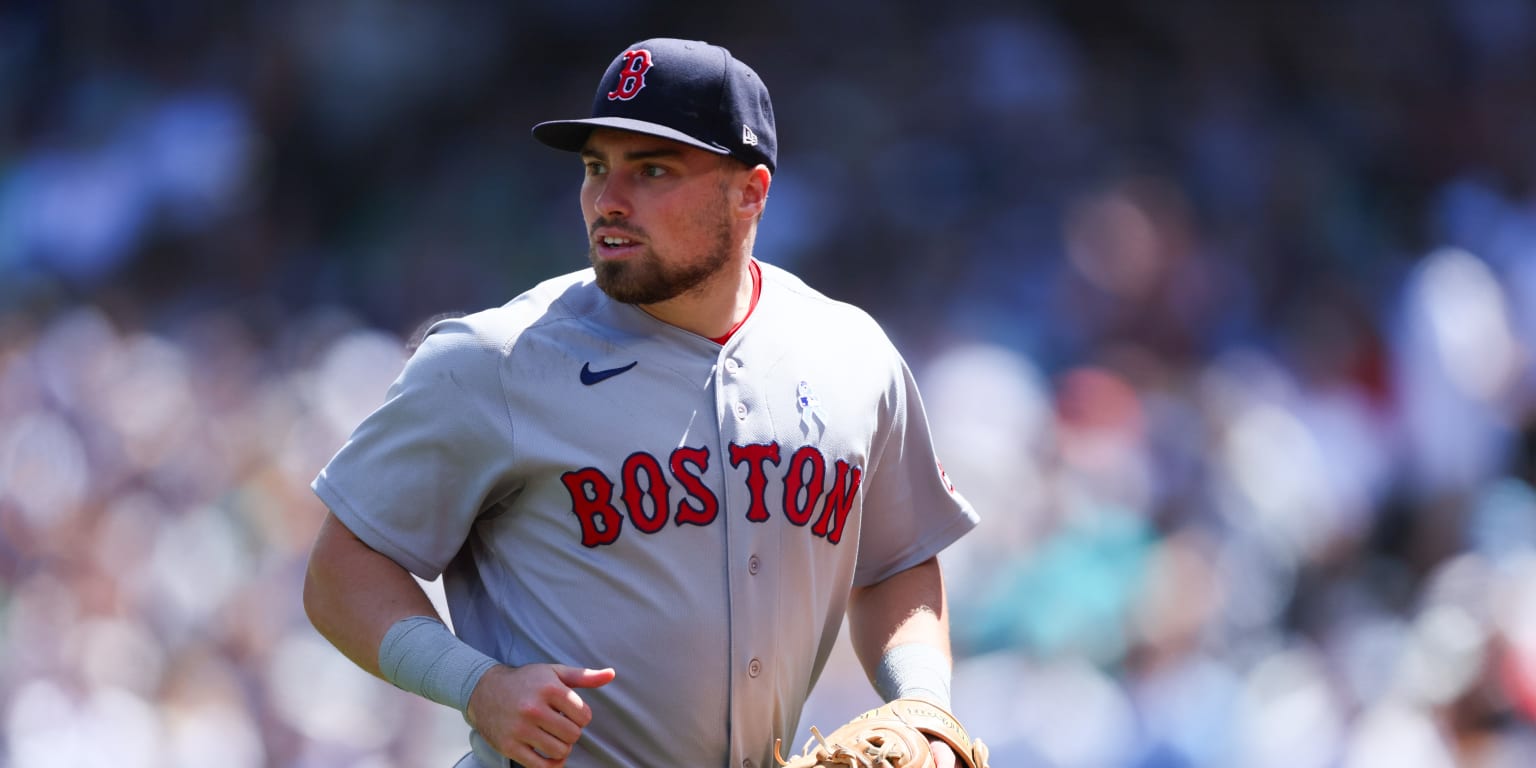
Caleb Durbin left Wednesday's series finale in Colorado with a left pinky subluxation after sliding headfirst into first base during the third inning of Boston's 8-6 loss to the Rockies. The injury—a dislocation that interim manager Chad Tracy described as initially alarming—was reset in the dugout with no structural damage confirmed by imaging. Durbin avoided the injured list, a significant relief for a team already managing multiple lineup absences.
The mechanics of the play matter here. Durbin hit a grounder to first baseman TJ Rumfield, who threw to pitcher Kyle Freeland covering the bag. On the slide, Durbin's pinky caught the base at an unnatural angle. "His pinky was kind of facing a direction it shouldn't," Tracy said. The dislocation itself—subluxation—carries less risk than a fracture, and the fact that on-field staff could relocate it without evident bone damage meant no MRI findings of breaks or stress fractures. Durbin told reporters he felt "really good" by game's end, reducing the likelihood of a multi-week absence.
But the incident did trigger immediate lineup instability. Marcelo Mayer, who was originally resting a sore foot, entered at short in the third inning. Anthony Seigler moved from second to third, and Andruw Monasterio shifted from short to second. This musical-chairs response to Durbin's exit revealed Boston's shallow bench options—Mayer ended up making a costly error in the seventh that led to three unearned runs as Colorado tied the game, then took the lead in the eighth. Durbin's presence at the position would likely have prevented that defensive miscue, suggesting that even a one-game absence carries lineup momentum consequences.
From a betting angle, the key question is whether Durbin plays Thursday or Friday against the Yankees, a team Boston faces in a rivalry series. If Durbin returns to the lineup immediately, the Red Sox third-base defensive efficiency—currently solid this season—doesn't degrade, and team total unders become less attractive on the assumption of tighter defense. If Durbin sits out a second game with lingering stiffness or precautionary rest, the pitching staff faces elevated scoring risk on errors. Durbin himself indicated he won't dive headfirst again soon, which removes a base-running injury risk component but also suggests behavioral caution rather than medical clearance. Watch pregame reports for his status; if he's unavailable and Mayer or Monasterio stays at third, Boston team totals under 4.5 runs carry reduced edge because of defensive vulnerability in the infield.
The flip side: if Durbin is active and the Yankees' infield exploits the shifting assignments, that's a single-game volatility play, not a durable edge. The real betting signal is durability and lineup composition, not the injury outcome itself.