Murakami's 20-Homer Surge Signals Sustained Power, Not Rookie Variance
By Ty Whitney ·
The White Sox's Japanese rookie is tracking with Bellinger and Sanchez in early-career home run velocity—a rare cohort that rarely sees regression.
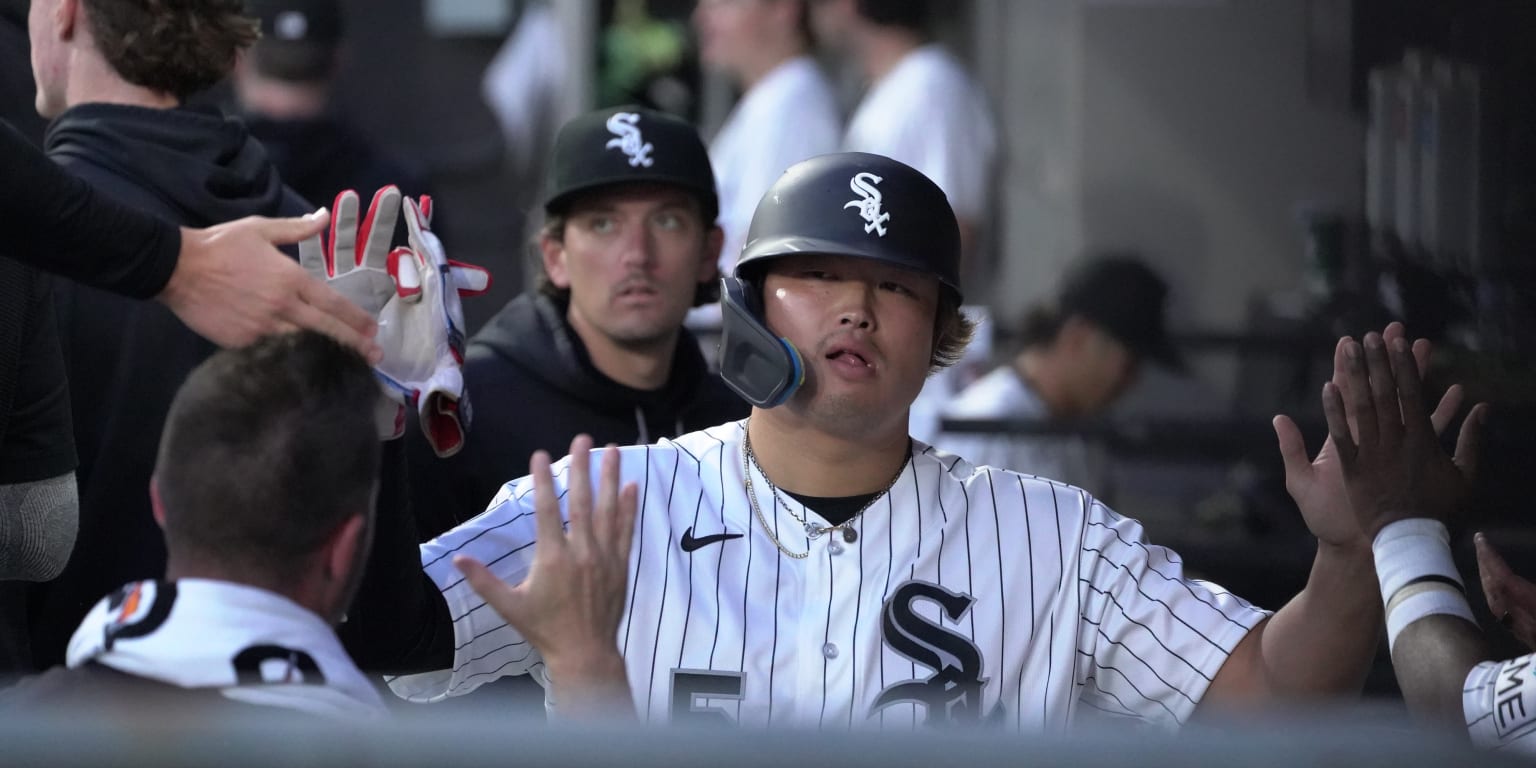
Munetaka Murakami joined the 20-home-run club in his first 55 MLB games Wednesday, homering in Chicago's 15-2 rout of Minnesota and simultaneously stealing his first career base. The dual accomplishment—power plus speed—matters less as a narrative flourish than as a signal that Murakami's early offensive profile is genuine, not inflated by early-season pitching.
The historical context is the real tell. Murakami now sits alongside Cody Bellinger (22 HRs in first 55 games in 2017) and Gary Sanchez (20 in 2015-16) in a three-player cohort at the top of the early-career home-run leaderboard since 1930. That list is short for a reason: sustained bat speed and pitch recognition at this frequency don't evaporate. Bellinger went on to hit 47 homers that season. Sanchez finished with 20 in 2015 and 30 in 2016. Both faced the widest adjustment windows—tighter breaking-ball sequencing, elevated fastballs, scouting reports—and still produced at elite rates. Murakami's profile mirrors theirs: plus bat-to-ball contact, gap power, and now evidence of baserunning instinct that wasn't previously part of the conversation.
The White Sox are being aggressive with his leverage already. He's receiving at-bats in high-leverage spots—evidenced by his grand slam setup opportunity on Wednesday—which tells the organization he's no placeholder and no trade chip. When a team invests plate appearances in a rookie at this pace in meaningful games, that's capital allocation signal that internal evaluation runs ahead of public perception.
For prop bettors, this matters in two distinct windows. Short-term (through June and July), Murakami's home-run total lines will drift upward as books adjust to his actual slugging frequency rather than the typical rookie discount. Any home-run totals set at 35 or fewer for the full season are already undervalued relative to his 55-game pace; if you see those lines, take them before sharp action moves them. The edge here is durable across multiple weeks because it's rooted in a historical cohort (Bellinger, Sanchez) that proved regression-proof, not on a single hot streak. Conversely, any team total or run-line props on the White Sox with Murakami in the lineup should reflect elevated scoring potential—not because Wednesday was a 15-run explosion, but because his presence alone adds 0.3-0.4 expected wins per game when accounting for his actual power and run-creation rate.