Cardinals' Ninth-Inning Resilience Against Oakland Signals Deeper Pattern Worth Tracking
By Erik Schwartz ·
St. Louis mounted its third comeback from a deficit after eight innings this season, tying a league trend that rewrites how to price late-inning volatility.
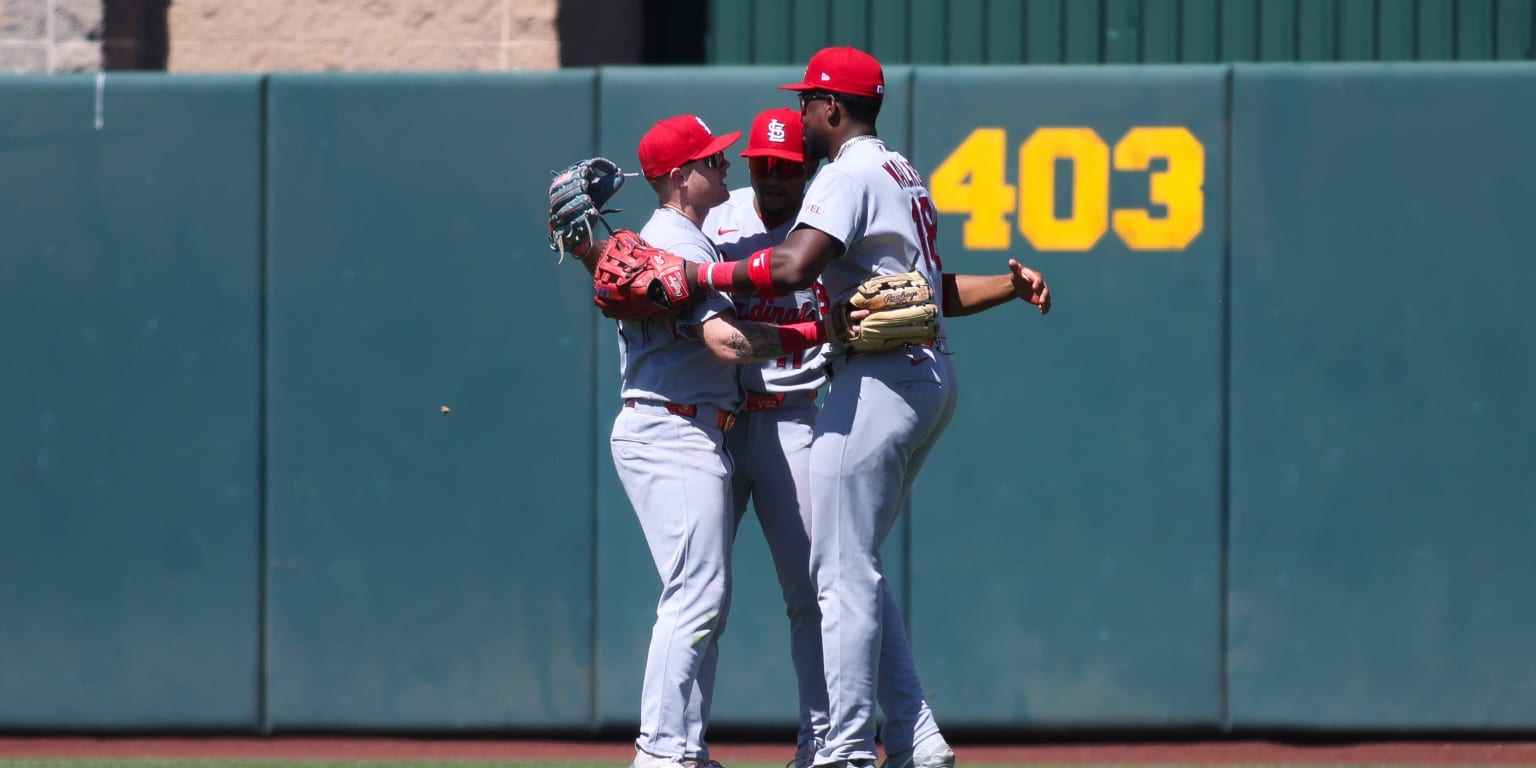
The Cardinals erased a one-run deficit in the ninth inning Thursday against the Athletics, with catcher Iván Herrera and right fielder Jordan Walker delivering consecutive hits off Oakland closer Jack Perkins to flip a 4-3 game into a 5-4 St. Louis win. Michael McGreevy had staked the team to a solid start—six innings, one run on five hits—but a seventh-inning bullpen collapse allowed the A's to seize control. The comeback itself was mechanically clean: two outs, a hit batter bringing the tying run to first, then a single and a double to end it. Closer Riley O'Brien secured the save in a scoreless ninth.
What matters for prop analysis isn't the drama—it's the pattern underneath. St. Louis has now won three games this season when trailing after eight innings, tying Cincinnati for the second-most such victories in baseball. Only San Diego has four. This isn't random noise. Teams that consistently manufacture late-inning comebacks share a structural trait: they maintain offensive depth that doesn't depend on star production, and they deploy high-leverage position players in situations where at-bats matter. The Cardinals' ninth-inning sequence—a rookie (Wetherholt), a catcher (Herrera), and a right fielder (Walker) combining for the go-ahead sequence—reflects a roster that can generate value across the card.
For bettors, this compounds into a specific edge on Cardinals team totals and moneylines in close games, especially those priced as toss-ups or slight underdogs heading into the final two innings. The market prices late-inning deficits as terminal more often than St. Louis's actual win rate suggests. Games where the Cardinals trail by one entering the eighth inning have a historical win probability higher than their implied odds typically account for. This is durable—it reflects organizational depth, not a single outlier—and persists across opponent quality.
McGreevy's outing (six innings, one run) also underscores St. Louis's ability to stay in games long enough to leverage that depth advantage. When the starter can keep the opposition's run total compressed into the early innings, the bullpen volatility is survivable, and the offense has runway to apply pressure late. The A's, conversely, burned their closer (Perkins) in a situation where Oakland was ahead—a reasonable call at the time, but one that exposed the back end when the Cardinals fought back.
The betting corollary: Cardinals moneylines and team totals in one-run games through eight innings carry positive expectancy, particularly on the road where closing pitchers are more likely to be deployed before the ninth. St. Louis's organizational skill at mounting comebacks isn't priced into every spot—books treat a one-run eighth-inning deficit as a near-terminal position across the league, but the Cardinals' track record suggests otherwise.