MLB
How Coors Field's Offensive Madness Swallowed a Rockies' Lead—and What It Means for Total Pricing
With two outs left and their season hanging, the Rangers scripted a ninth-inning collapse of Colorado's defense and catcher discipline to steal a series win—a reminder that ballpark elevation doesn't just help hitters, it breaks decision-making.
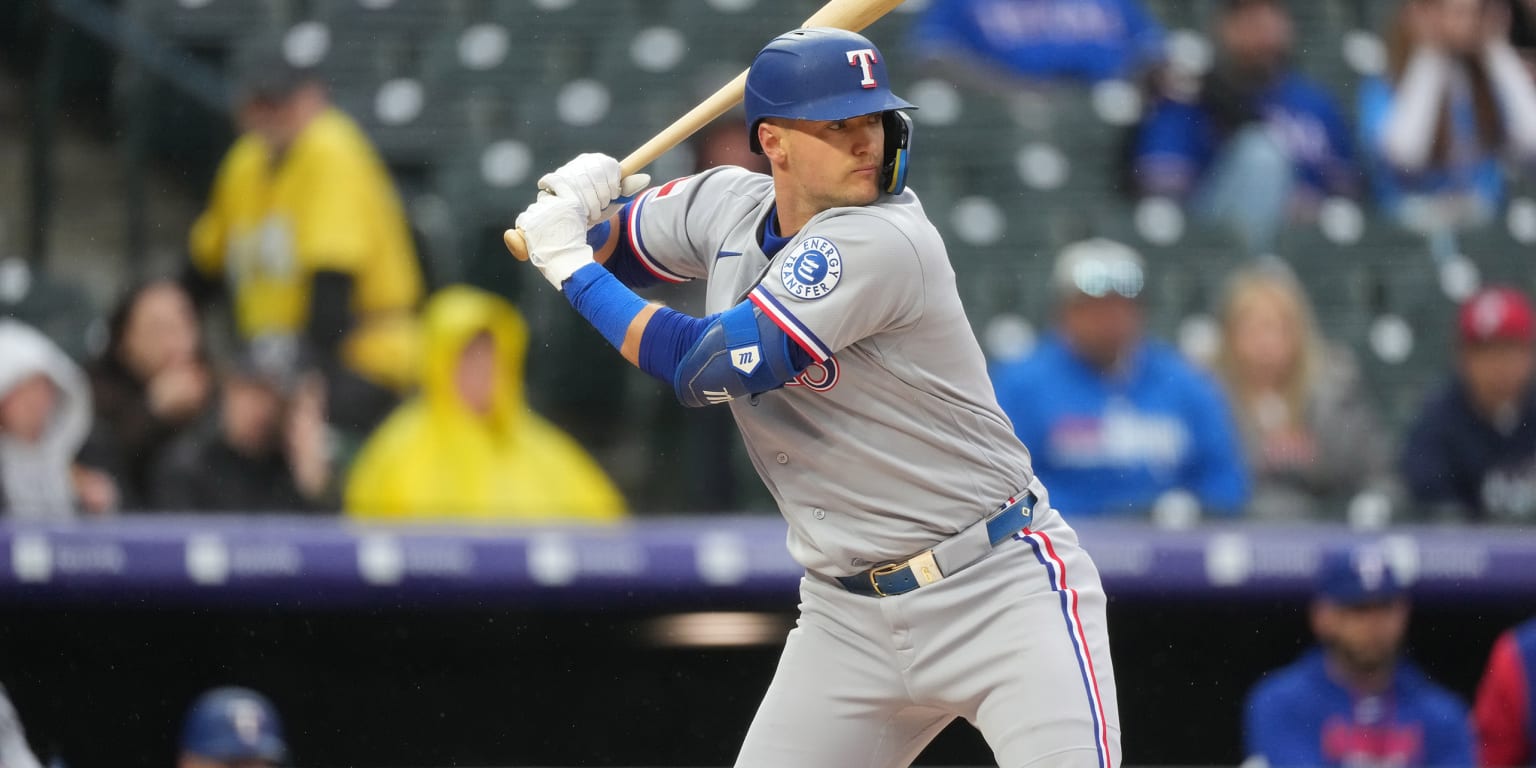
Down to their final two outs Wednesday in Denver, the Rangers manufactured a 5-4 walk-off over the Rockies through a sequence so reliant on Coors Field friction—catcher's interference, a passed ball, shaky defensive positioning—that Skip Schumaker's pregame warning felt almost prophetic. "A four-run lead here doesn't mean [anything]," the Rangers manager said. By the ninth inning, he was vindicated. Trailing 4-3 with pinch-hitter Danny Jansen at the plate, Joc Pederson reached first on catcher's interference when Brett Sullivan's glove caught his bat on a 2-2 count. Justin Foscue singled Pederson to second. Alejandro Osuna followed with his own single. Then came the passed ball—Sullivan let a pitch bounce free, allowing Pederson to score the tying run. Josh Jung's single won it.
What matters here isn't the feel-good narrative of a ninth-inning rally. It's that three of the four runs that tied or won the game came from defensive or catching mishaps, not from quality contact. Coors Field's thin air inflames volatility across every dimension: velocity loses traction, spin gets neutered, margins of error compress. Catchers struggle with their footwork. Infielders misread trajectories. On Wednesday, those compounded frictions broke Colorado's three-run advantage in a single frame. Schumaker's philosophy—"anything can happen at Coors"—is not metaphorical analysis. It's an operational truth that shapes in-game decision-making. He burned his DH to pinch-hit Jansen, sacrificed defensive flexibility, and it worked because the ballpark's chaos rewards aggression and punishes static positioning.
For bettors, this game exemplifies why Coors Field totals sit in a different pricing universe than road parks. The Rockies entered Wednesday's finale as home favorites despite playing one of the weaker offenses in baseball. Coors juice doesn't come from talent; it comes from environment. A 4-3 lead evaporates not because the Rangers were talented enough to break through, but because the plate umpire, the catcher, and the elevation itself conspired to unravel baseline execution. Over a 162-game season, these variance events average out. Over a single series, especially in the Mile High City, they dominate the outcome.
The Rangers' resilience also speaks to roster depth working in their favor despite injuries to Corey Seager and Brandon Nimmo. Pederson (pinch-hitter, seventh inning), Foscue, and Osuna (pinch-runner, fifth inning) each contributed directly to the go-ahead sequence. Schumaker's flexibility—his willingness to burn the DH, to let closer Jacob Latz pitch the ninth despite weather and pitch count—matched the ballpark's own unpredictability. That's preparation meeting chaos. When you're at Coors, preparation that embraces flexibility rather than resisting it tends to win these leverage moments.
The betting implication is straightforward: Coors totals for Rangers-Rockies series or games need to price in not just the aggregate power of both lineups, but the ballpark's capacity to turn defensive lapses and catching miscues into swing outcomes. Teams that accept Coors' volatility and play fast—stealing the DH, running aggressive pinch-hitter strategies, keeping their bullpen on short leashes to avoid the ninth-inning unraveling—have historically outperformed bets that assume "respectable lead" logic applies. The Rangers just proved that at Coors, the last two outs are worth as much as the first six innings. Totals set without that weight are vulnerable.