Dodgers' Pitching Depth Masks Chronic Injury Risk—and Creates a Betting Trap
By PropBetEdge Editorial Team ·
Los Angeles' ability to plug holes in its rotation obscures a fragile staffing situation that will eventually collapse under the weight of September baseball.
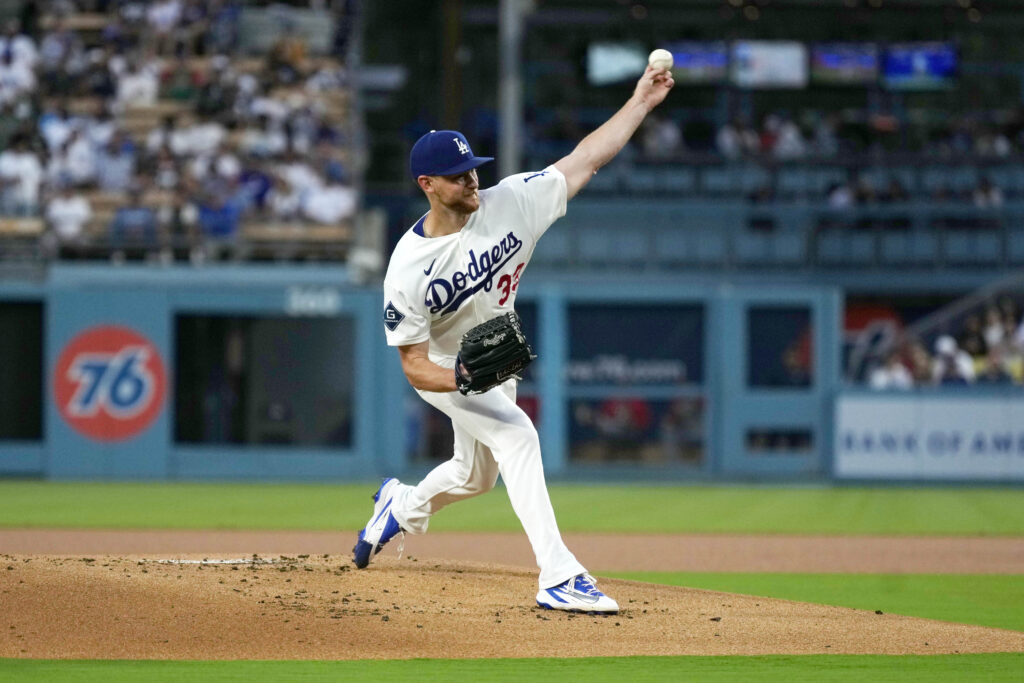
The Dodgers placed left-hander Eric Lauer on the 15-day injured list Wednesday with elbow inflammation, the latest move in what has become a quarterly ritual: activate a reliever from the 60-day IL, shuffle another pitcher to long-term rest, keep the engine running. Blake Treinen, the veteran reliever, was reinstated to fill the vacancy. Will Klein was moved from the 15-day to 60-day IL to create the 40-man roster spot. On its surface, it's a seamless transaction—the kind of roster hygiene that passes for stability in September.
But the pattern reveals something sharper. The Dodgers have constructed a pitching operation with enough high-end talent that they can afford to cycle arms in and out of availability without major visible cracks. This is not an accident—it's a strategic choice to front-load spending on depth. The problem is that depth only functions as insurance if the core stays healthy. When injuries compress across a season (as they have for Los Angeles), the reserve system stops absorbing damage and starts rationing it. Lauer's elbow inflammation, Klein's undisclosed condition, the earlier exits—these aren't isolated misfortunes. They're symptoms of a staff that has accumulated innings, impacts, and fatigue across a compressed schedule.
From a betting lens, this creates a false sense of security in the market. The Dodgers' -110 to -120 moneyline prices have remained stable despite the rotating cast of pitchers because the public sees "Dodgers replace injured pitcher with quality reliever" and files it under "managed." What that framing misses: every activation is a downgrade. Treinen is a capable late-inning arm, but he's not a starter. The next time Los Angeles needs a fourth or fifth starter in October, it will reach for a pitcher who has already thrown 180+ innings or one who has been shelved. That's the real cost of the churn—not tonight's game, but the playoff-inning inventory.
For bettors, this means treating Dodgers totals with caution as the calendar turns. The rotation's nominal talent level justifies the house projecting 4.2 runs in a neutral park. But when you account for the fatigue layered into that pitching staff—the accumulated starts, the workload compression, the fact that Lauer's injury is the third significant elbow issue on the roster since July—the expected offensive output from opposing teams climbs. The Dodgers' defense remains elite, but elite defense cannot fully offset a staff that is being held together by its depth rather than its durability. Opponents facing Los Angeles in the final weeks of September will encounter more relief appearances than normal, shorter leashes, and higher leverage situations. Those conditions historically favor the over.
The betting edge here is not about the Dodgers losing—they may well win every game for the next month—it's about run totals inflating due to staffing volatility that the line has not yet fully priced. Unders on Dodgers games have gone 2-8 in their last 10 starts; the market is still anchored to the idea that Los Angeles can suppress runs through quality arms. That assumption is getting thinner.