Glasnow's 60-Day Move Signals Dodgers' Depth Problem Has Teeth
By Ty Whitney ·
A back injury pushes the Dodgers' ace into a lengthy absence, forcing the rotation to lean on unproven depth.
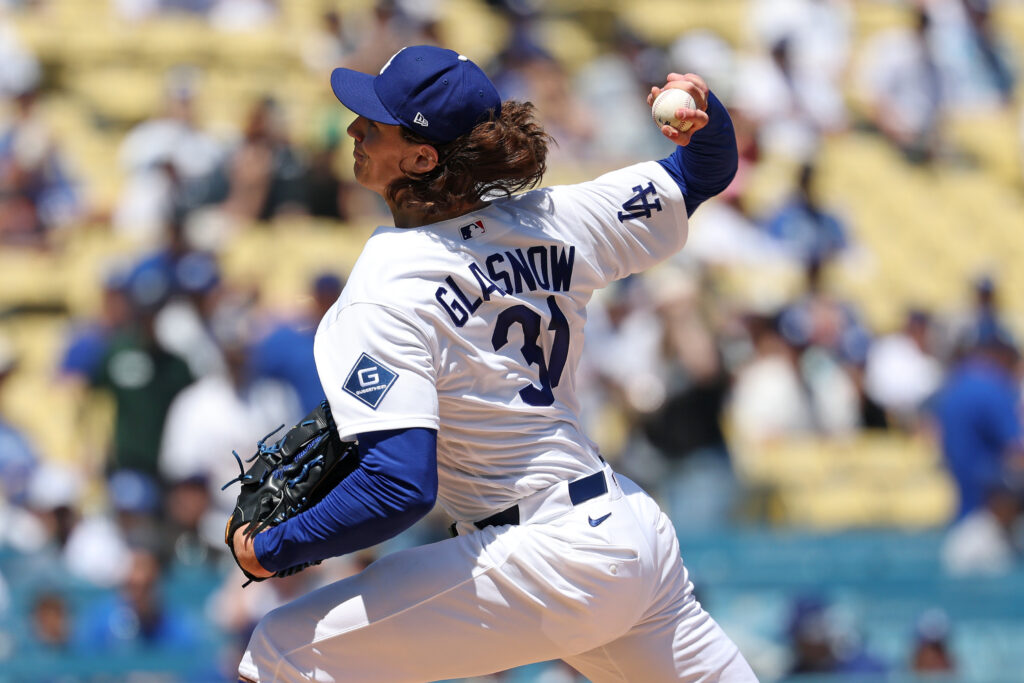
The Dodgers have moved right-hander Tyler Glasnow to the 60-day injured list due to a back injury, effectively removing their ace from competition for the next two months. The shift from the 15-day IL acknowledges what the team likely learned during his initial absence: this isn't a short-term repair. Glasnow, one of the few reliable power arms in a rotation that has otherwise underperformed relative to preseason expectation, now becomes unavailable through early August at the earliest.
The loss matters because the Dodgers' pitching depth has been exposed repeatedly this season. Without Glasnow, the rotation depends on a collection of arms that includes injury-prone starters and prospects still proving themselves at the major league level. The team's ERA has already climbed, and now they're asking a thinner staff to absorb additional innings while the offense—which has carried much of the load—plays without margin for error. Nick Frasso's promotion to the 40-man roster provides organizational flexibility but signals that the Dodgers are tapping into their farm system depth earlier than they'd prefer.
From a rotation-depth perspective, this is a watershed moment for the Dodgers' season trajectory. Glasnow's absence forces longer outings from spot starters and heightens leverage on the bullpen, which compounds injury risk across the staff. Every start becomes higher-stress pitching. The market has already begun adjusting Dodgers team totals downward, but the real pressure lands on runs per game—fewer reliable innings mean fewer quality starts, which historically correlates to fewer run-support opportunities and higher variance in run production.
Bettors should note that Dodgers team totals will likely settle into a lower band for the Glasnow window. Their offense, while capable of explosive nights, has relied on consistent pitching to build leads; without that stability in the rotation, they'll be chasing more often. The team's under-market has already tightened, but the mechanism is clear: a rotation in flux forces the offense to do more with less predictable run support. The Dodgers' ability to sustain their pre-injury win rate drops materially once the back of the rotation becomes the default option.