Dodgers' Bullpen Collapse and Offensive Resilience Reset the Series Narrative
By Ty Whitney ·
Los Angeles' relief corps surrendered its first run in 38 innings Monday, but the offense manufactured four in the seventh to win the series opener—a pattern that matters for how you price team totals.
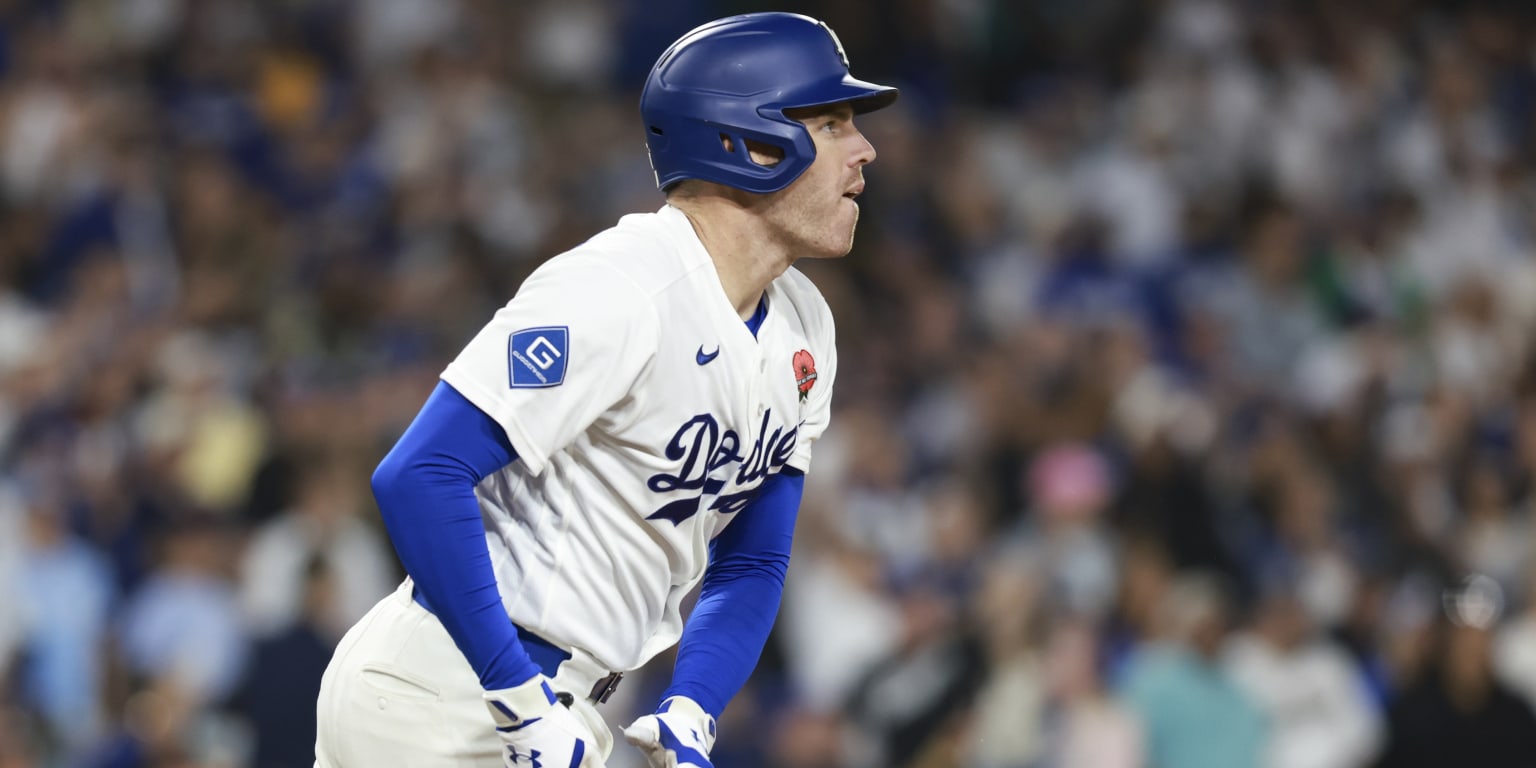
The Dodgers' bullpen streak ended the way most historic ones do: abruptly and with immediate consequence. Kyle Hurt gave up a solo homer to Ezequiel Tovar in the sixth, snapping a 38-inning scoreless run and putting Los Angeles down two runs. What followed was not panic but precision. The Rockies' relief corps—Juan Mejia and Brennan Bernardino—handed the Dodgers the game on a silver platter: back-to-back walks, a hit batter, then capitulation. Will Smith and Hyeseong Kim drew free passes to open the seventh. Miguel Rojas was hit on the foot loading the bases. Shohei Ohtani converted a fielder's choice into a run, Mookie Betts tied it with a sac fly, and Freddie Freeman drove in the go-ahead run. Andy Pages added insurance. Final: 5–3, Dodgers.
The bullpen's streak—38 consecutive scoreless innings—was genuinely elite. It masked a team leaning hard on relief depth because Kiké Hernández was making his season debut and Max Muncy remains sidelined after taking a pitch on his right hand Friday. The Dodgers were running Rojas at third base in the late innings despite visible discomfort from his own foot injury. This is not a team at full strength. Yet the offensive core—Ohtani, Betts, Freeman—is calibrated to punish sloppy pitching. One half-inning of free bases turned a two-run deficit into a one-run lead.
For prop bettors, this game illustrates a structural imbalance: the Dodgers' lineup talent is so concentrated at the top that even fractional opportunities generate run production. Ohtani, Betts, and Freeman combined for three of the four runs scored in the comeback, all via soft contact or leverage situations (fielder's choice, sac fly, line drive). The bullpen's collapse is unlikely to repeat—38 innings is an anomaly—but the offense's ability to capitalize on elevated walk rates and unforced errors is not. Rockies relievers issued three walks and a hit batter in one inning; that mistake window is repeatable if matchup quality fluctuates.
The Dodgers' team total for future games against Colorado (or similar relief-dependent opponents) should price in this dynamic: a bullpen that was historically stingy finally broke, and an offense with three MVP-caliber hitters in the lineup took immediate advantage. The streak ending does not signal broader volatility—it signals regression to the mean after an unsustainable stretch. More relevant to future games is that Los Angeles' offense generates runs even when the offense is compromised by injury. Muncy out, Hernández just back, Rojas hobbled—and the Dodgers still manufactured five runs on five hits and four free bases.