Dodgers' Hernández Out Months With Oblique Tear; Freeland and Kim Fill Infield Gap
By Erik Schwartz ·
An injury sustained in batting practice derails a carefully planned comeback, forcing Los Angeles to lean on unproven depth while waiting for Tommy Edman.
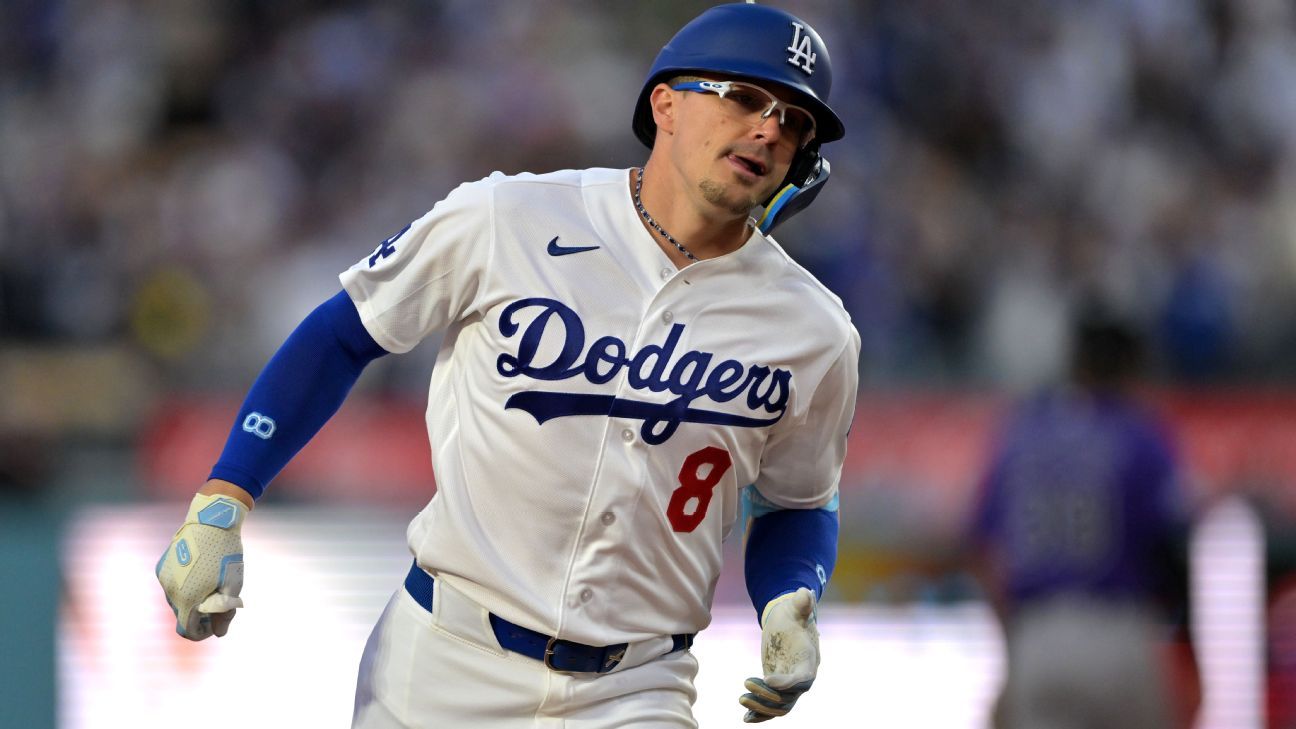
Enrique Hernández returned to the injured list Wednesday after sustaining a significant oblique tear—not during a game, but in pre-game batting practice before his season debut Monday. Per ESPN, the injury sidelined him for what Dodgers manager Dave Roberts characterized as several weeks to several months, a timeline that effectively removes him from consideration as a regular contributor until the final stretch of the regular season at the earliest.
The sequence of events compounds the damage. Hernández had already spent the season's first two months rehabbing from offseason elbow surgery, a controlled, monitored process designed to build him back into game shape. He then suffered the oblique injury in that Monday practice session, played through it that night with two hits, received treatment Tuesday, homered Wednesday, and finally aggravated it severely enough on a fourth-inning double that he had to be removed defensively. The pain was visible enough that Roberts was captured on camera consoling a visibly shaken Hernández in the dugout.
Los Angeles responded by recalling infield prospect Alex Freeland to fill the roster spot and starting him at second base against Colorado. Freeland will likely handle most of the early workload at that position, with Hyeseong Kim rotating in, until Tommy Edman returns from his own offseason ankle surgery sometime in June. The Dodgers' infield depth chart was already contingent—Hernández's role as a utility option depended on staying healthy, and Edman's return was always the variable. Now both are off the board, forcing the team to accelerate the development timeline of younger options who haven't yet proven they can handle consistent big-league plate appearances.
From a betting standpoint, this injury reshuffles the Dodgers' offensive construction in ways that reach beyond just one missing player. Hernández carried a .305 career postseason average—he's a known performer when games matter most—and his absence from the stretch run robs the team of depth insurance at a moment when every roster spot influences tournament-round availability. More immediately, the playing time vacated at second base goes to Freeland and Kim, neither of whom carry established major-league track records. If either one struggles in the field or produces below league-average offense in the next six weeks, the Dodgers may be forced to make deadline moves they hadn't anticipated, or lean more heavily on versatile position players elsewhere. Dodgers team-total overs in June and July should be monitored carefully; the margin for error in the lineup just compressed, and the likelihood of games decided by bench production increased. Conversely, if Freeland or Kim perform above expectations and cement their roles, the infield stabilizes and offensive consistency improves. Right now, that outcome is speculative. The near-term baseline assumes the Dodgers are operating with reduced depth flexibility at the position that touches the most balls in play.