Dodgers Cut Cole Irvin Loose; Bullpen Realignment Signals Rotation Strain
By Ty Whitney ·
Los Angeles designated the lefty reliever for assignment to open roster space, revealing how urgently the team needs bullpen depth down the stretch.
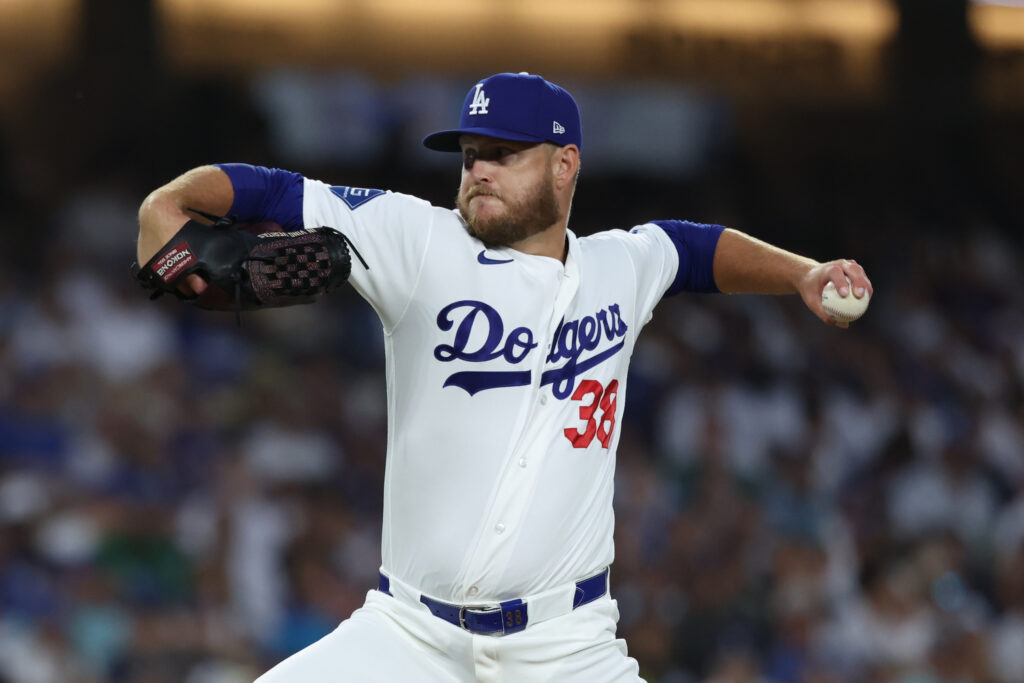
The Dodgers designated Cole Irvin for assignment on Friday, clearing a 40-man roster spot to absorb right-handers Kyle Hurt and Wyatt Mills into their bullpen. Irvin had just returned to MLB action, pitching six innings in his most recent outing, but that brief window was enough for the front office to determine he no longer fit their plans. Will Klein's placement on the injured list created the initial opening; Irvin's DFA provided the second.
This move is less about Irvin's performance than about Los Angeles' depth crisis in relief. The Dodgers have rotated through bullpen bodies all season, and the August acquisition of two arms already on the 40-man roster suggests the team is cannibalizing depth rather than accessing external reinforcement. Hurt and Mills were already internal options—the DFA simply freed up administrative space rather than creating new pitching capacity. That calculus points to a bullpen stretched thinner than the roster moves indicate on the surface.
For bettors, the Irvin designation carries secondary implications: it underscores that the Dodgers view their bullpen as a work-in-progress heading into the final two months. Teams that make emergency relief acquisitions from their own system are rarely sitting on comfortable margins in games. When a contender this front-loaded with resources has to shuffle relievers from the minors rather than acquire proven depth from the trade market, it suggests innings management will become tighter, save situations rarer, and bullpen workload distribution less predictable.
The most immediate prop angle centers on Dodgers total overs and under-the-night-sky first-five-innings lines. A strained bullpen typically forces starters to work deeper into games to preserve relief arms, which can suppress offensive scoring windows early. Conversely, if the Dodgers fall behind early and burn through relievers to contain damage, they may be forced into lower-leverage situations later in games, altering run-scoring probability. The uncertainty itself—not knowing whether a starter will pitch six innings or five, whether a leverage reliever gets a clean inning or a messy one—creates volatility that books typically underprice when they price based on season-long bullpen ERA rather than day-to-day availability.