Díaz Returns to Dodgers Closer Role After Three-Month Elbow Rehab
By Ty Whitney ·
Los Angeles activates its star reliever from the 60-day injured list, reshaping late-inning leverage assignments and bullpen usage patterns down the stretch.
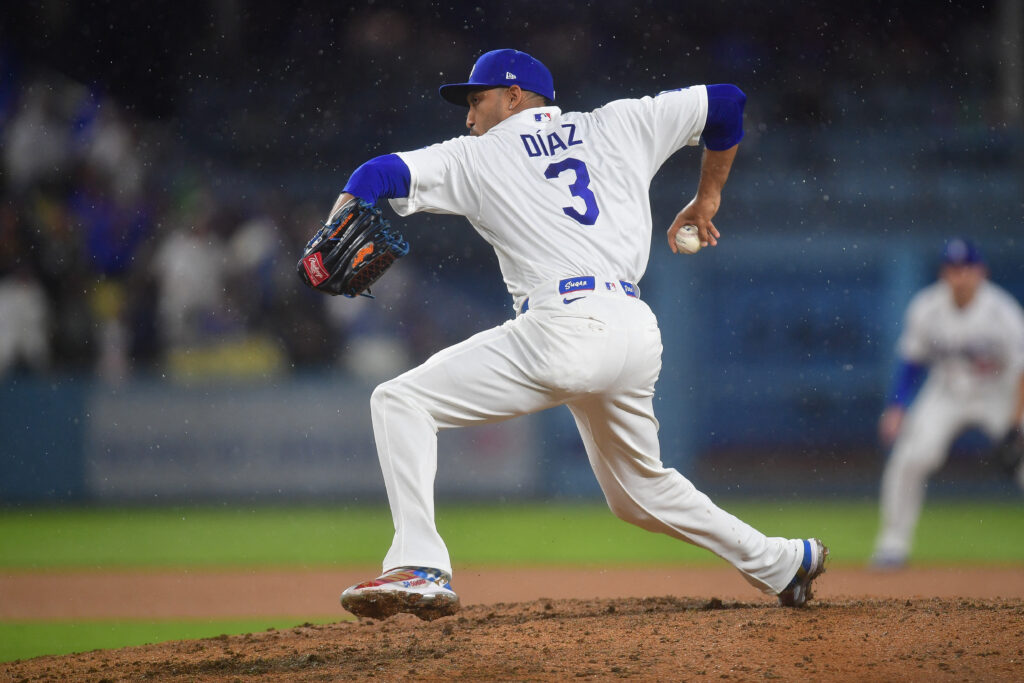
The Dodgers reinstated closer Edwin Díaz from the 60-day injured list on Wednesday, ending a three-month absence that began when he underwent surgery in late April to remove loose bodies from his elbow. The three-time All-Star's return immediately forces the organization to reset its bullpen hierarchy and creates roster space by designating lefty Charlie Barnes for assignment. Díaz's availability changes how manager Dave Roberts deploys late-inning arms for the final 60 games of the regular season—a window where a reliever with his strikeout volume and save equity holds substantial leverage value.
The elbow procedure on Díaz was preventative, addressing a structural issue that had limited his effectiveness earlier in the season. Three months of recovery typically allows for a gradual rehab-assignment ramp followed by a bullpen debut, not immediate save situations. The Dodgers' timeline suggests Díaz could appear in low-leverage spots first, meaning his early statlines (ERA, WHIP, strikeout rate) will carry high variance before settling into a steady workload. Teams rarely return closers to full authority in week one; the market for Díaz save props will likely price in a reduced role during his first 7-10 days, then adjust sharply upward once Roberts confirms him for ninth-inning work.
Díaz's strikeout rate against righties sits around 34% over his career, well above league median for relievers. When he's operating at full strength in high-leverage spots, his K/9 typically ranges from 11.5 to 13.2 across full seasons. Oddsmakers will undervalue his strikeout prop lines during his initial appearances due to recency bias—his last appearance was in late April, before the procedure—and the uncertainty around pitch usage during a ramp-up phase. Once the Dodgers confirm he's handling ninth-inning responsibility, the market will reprice his strikeout totals upward, but early props on his first 2-3 appearances offer betting value if you're willing to absorb the volatility of a pitcher still building back arm strength.
Save opportunities themselves depend on usage patterns Roberts will reveal over the next week. If the Dodgers deploy Díaz in close games but not traditional save situations initially, his save line stays inactive and his strikeout prop becomes the only relevant bet. Conversely, if Roberts accelerates his role—a risk given the elbow history—Díaz could capture 1-2 saves within his first week, and those save props would become underpriced relative to his three-month absence and the market's caution. The edge exists in the mismatch between Díaz's career strikeout rates and the artificially suppressed expectations baked into his early-return props. This is a single-event angle that will fade within 10 days once the Dodgers normalize his usage; catch the mispricing early.