Dodgers Add Lauer After Blue Jays Bail: Mid-Season Rotation Depth Play
By Erik Schwartz ·
Los Angeles raids Toronto's discard pile to bolster starting pitching depth heading into the stretch run.
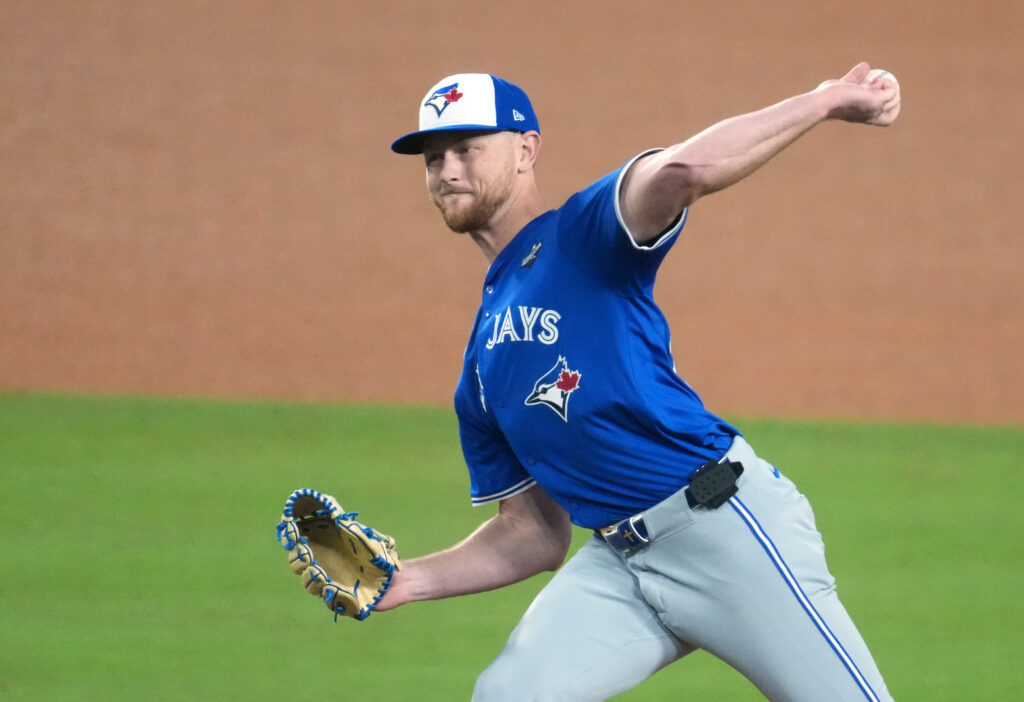
The Dodgers acquired left-hander Eric Lauer from the Blue Jays on Tuesday, absorbing the pitcher along with cash in a move that cost them only a player to be named later or additional cash. Toronto had designated Lauer for assignment earlier in the week after a disappointing tenure north of the border, making him available for claim. Los Angeles moved right-hander Brusdar Graterol from the 15-day IL to the 60-day IL to create the 40-man roster space.
Lauer's journey to Los Angeles represents a redemption opportunity for both player and team. The 30-year-old owns a career 3.69 ERA over 600+ innings and has proven durable as a fourth-or-fifth starter in competitive rotations, including recent stops with San Diego and Milwaukee. While his 2026 window with Toronto didn't materialize—he struggled to find command early in the season—his track record against winning teams and in pennant races is solid enough to warrant a low-risk reclamation. The Dodgers rarely trade real assets for mid-tier starting depth; the minimal cost here signals they view Lauer as a stabilizing option rather than a rotation cornerstone.
What makes this acquisition lean is the opportunity cost. The Dodgers are likely protecting their prospect capital for a true impact deadline move while filling a genuine rotation void. If their rotation thins further due to injury or performance collapse in the next month, Lauer becomes a valuable alternative to reaching for overpriced rentals in July. His sinker-heavy profile also aligns with the Dodgers' ground-ball-dependent pitching philosophy, particularly relevant if he slots into mid-rotation relief or spot-start duty against specific lineups.
For bettors, the prop impact is narrow but real. Lauer's arrival doesn't meaningfully shift Dodgers team total expectations—he's depth, not an ace. However, his presence in the rotation may alter game-level volatility. Teams facing Lauer in a spot start should expect a lower strikeout ceiling (his career K/9 sits at 8.1, below league average for starters) compared to a Dodgers ace, which compresses swing-and-miss profiles for opposing hitters. Conversely, his ground-ball rate (46% career) can elevate GIDP risk for teams with speed-dependent offenses. This is a marginal adjustment, not a momentum shift.
The real edge lies in monitoring Dodgers rotation health over the next two weeks. If Clayton Kershaw, Tony Gonsolin, or Evan Phillips experience setbacks, Lauer moves from organizational depth to a meaningful leverage arm—at which point his mid-rotation matchups (particularly against wild-swing teams or teams with weak contact rates) become sharp unders plays. For now, treat this as a stabilizer that slightly reduces variance in Dodgers total team outcomes without changing the expectation vector.