Mariners' Trade Deadline Caution: When a Modest Haul Signals Deeper Roster Concerns
By Erik Schwartz ·
Seattle added depth but kept its prospects, revealing a front office that believes the talent is there but the execution isn't—a confidence bet that will shape bullpen and lineup prop values for the stretch run.
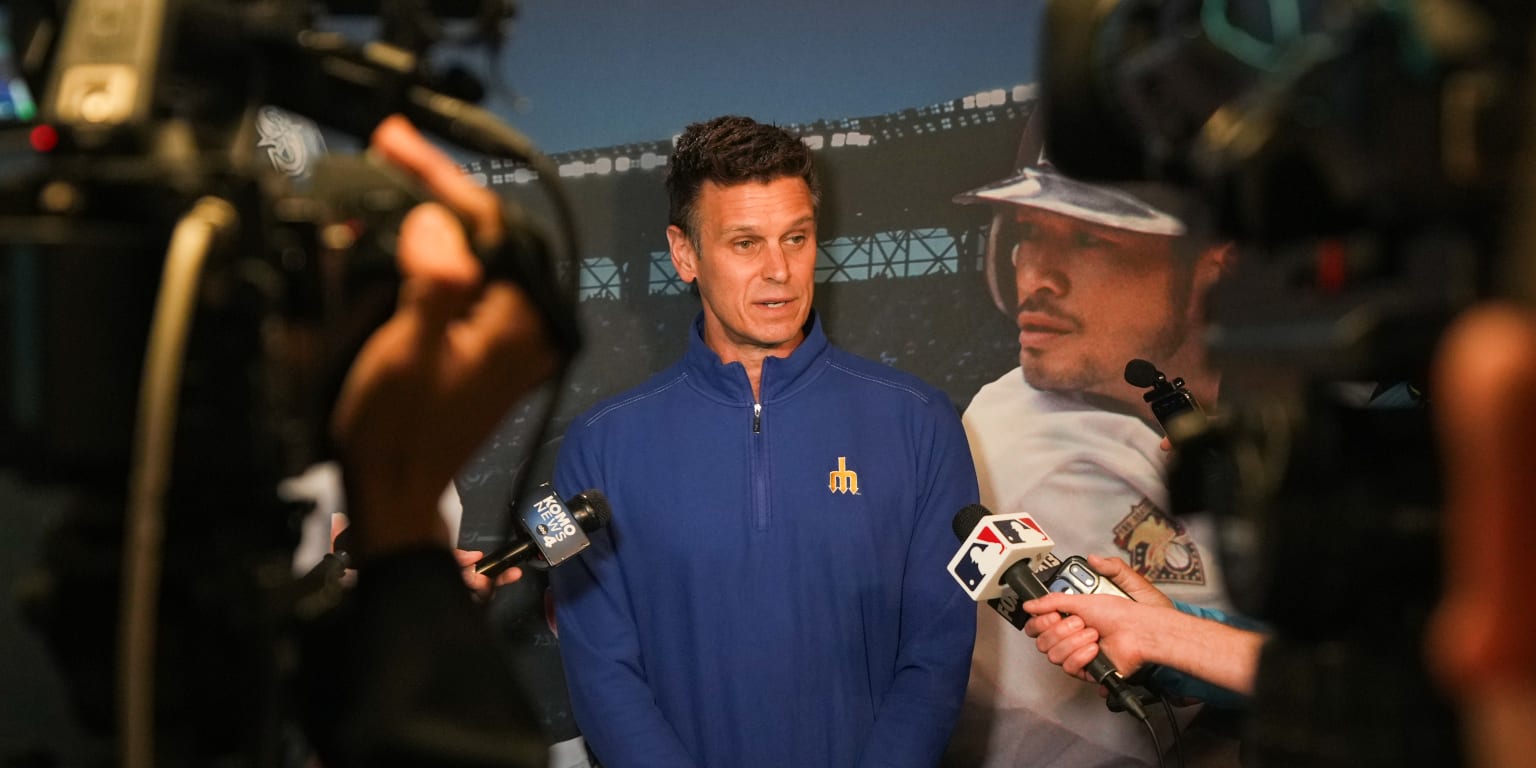
Jerry Dipoto's Trade Deadline moves told a story of constraint masquerading as conviction. The Mariners acquired outfielder Taylor Ward from Baltimore and reliever Seranthony Domínguez from Chicago—functional upgrades that addressed two explicit gaps (left-handed hitting and bullpen depth) without breaking the farm system. Yet the modesty of those acquisitions, paired with Dipoto's frank admission that he couldn't move another leverage reliever despite trying, exposed a market reality: elite bullpen arms commanded prices the Mariners weren't willing to pay, especially with their prospect cupboard designated as off-limits.
The team listened on Emerson Hancock and George Kirby, as reported, but never seriously engaged. Hancock is a 27-year-old breakout starter having a strong season; Kirby triggered league-wide interest that Dipoto politely declined to pursue beyond initial contact. Neither moved because Dipoto deemed the returns insufficient. That calculation reflects two layers of thinking: the Mariners believe their core talent—Raleigh, Julio Rodríguez, the rotation prospects—is real enough that fire-sale prices aren't acceptable, but they also acknowledge they've underperformed their talent level and can't afford to gut future depth on a bet that hasn't yet paid off.
The subtraction of Luis Castillo, despite his clubhouse presence, ironically strengthens the rotation's stability by reducing reliance on one ace. Kade Anderson (MLB Pipeline's No. 6 overall prospect) is now in the mix as a starter but will remain stretched out, signaling the team has internal optionality if the rotation falters. This isn't a front office in fire mode; it's a front office that sees a September sprint, not a reset.
For prop bettors, this has immediate implications for bullpen volatility and lineup consistency. Domínguez's first appearance—four runs in one inning—should not be taken as predictive; relievers acquired at the deadline typically show elevated ERA in their first 1-3 appearances while acclimating to a new system and opponents' advanced scouting reports. More relevant is his peripherals (K/9, walk rate) over his prior 50 innings with Chicago; those don't change overnight. Ward's 0-for-3 debut likewise is noise; what matters is his career split against lefties (his core acquisition reason) and whether Seattle's lineup engineers matchups to exploit that edge. The Mariners didn't import a superstar bat because none was available at a price they'd accept—a market signal that hitters are overvalued relative to pitchers at deadline.
The real prop angle emerges from the constraint itself: a team that kept its top five prospects intact while adding depth-level talent is betting on internal correction, not external rescue. Bullpen prop totals (reliever strikeouts, walks, saves) for the final two months will be volatile because depth arms like Domínguez are volatile. Lineup props on players like Raleigh and Rodríguez become more valuable precisely because the team is doubling down on them rather than upgrading around them. Fade any bullpen reliever depth prop that assumes immediate acclimation; favor Raleigh and Rodríguez strikeout and RBI props as the team increasingly funnels leverage situations through proven internal talent over the final stretch.