Dingler's Thumb Injury Threatens Tigers Momentum at All-Star Break
By Erik Schwartz ·
Detroit's All-Star catcher suffered a foul-tip injury mid-game Wednesday, forcing early exit with unclear availability timeline as the team chases postseason positioning.
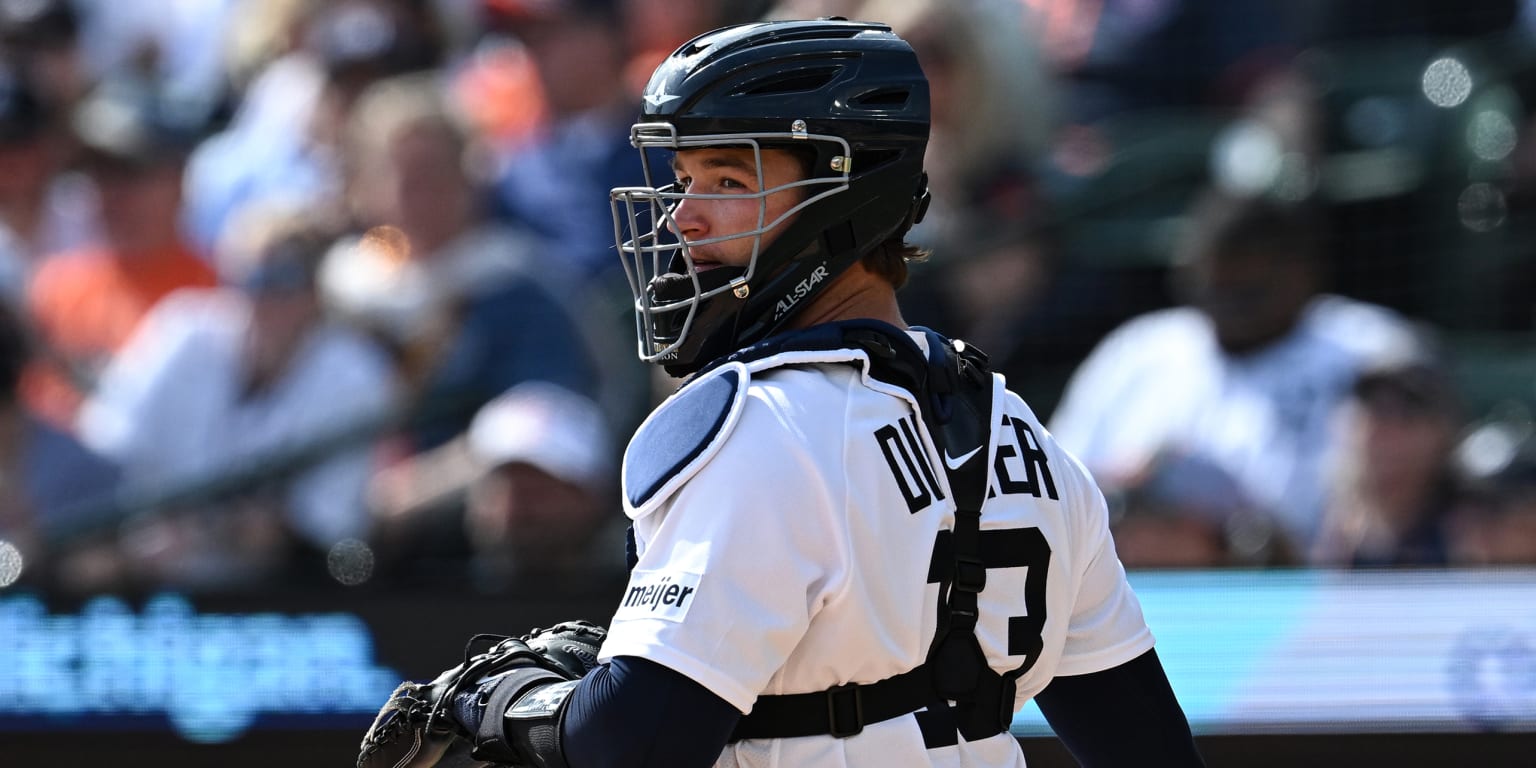
Dillon Dingler exited Wednesday's game against Oakland after a 95 mph fastball from Troy Melton caught his right thumb off Jacob Wilson's bat. The All-Star catcher initially remained in the game following trainer evaluation and warmup tosses, but swelling forced his removal by the next inning. Jake Rogers replaced him behind the plate and immediately launched a two-run homer off Jeffrey Springs—a production boost that masks a deeper roster vulnerability for Detroit heading into the All-Star break.
The timing compounds the damage. Dingler entered Wednesday tied for seventh in MLB with 3.9 fWAR and had already secured his first All-Star selection via player vote. More critically, he ranked fourth among AL hitters in RBIs entering the day and was on pace for 19 home runs and 60 RBIs before the break—a feat only two other Tigers have accomplished in the last 26 years. The Tigers had won six of their last seven games to climb back into postseason conversation; losing their best offensive weapon, even temporarily, disrupts that momentum.
The injury's severity remains uncertain. Thumb injuries to throwing-hand catchers carry elevated risk because they affect both framing and throwing mechanics—two non-negotiable skills behind the plate. A multi-week absence would force heavy reliance on Rogers, a capable backup but not a 3.9 fWAR player. The team's medical staff will likely provide a timeline within 24-48 hours, but even a conservative estimate of 7-10 days sidelined would cost Dingler the final stretch into the All-Star Game.
For prop markets, the uncertainty creates a bifurcated play: Dingler's individual prop lines—HR, RBI, K totals—will likely remain open but face reduced liquidity if the severity isn't announced quickly. If confirmation comes that he'll miss multiple games, those props should be faded entirely. Conversely, if imaging shows minor soft-tissue impact and he's cleared for the latter half of the season, any movement below his pre-injury pace (1.25 HR per nine, 4.5 RBI per game) becomes a buy, as his talent doesn't change with one bad plate appearance. Rogers' increased playing time will shift team total dynamics—he's a power hitter but significantly less efficient at the plate overall, lowering expected offensive output per game during any absence period.