Díaz's Postseason Audition Begins in Low-Leverage Limbo
By PropBetEdge Editorial Team ·
The Dodgers' $69 million closer returns from his second IL stint with only nine games to prove he belongs in October, and the market hasn't yet priced in the leverage-dependent collapse in his fantasy and betting value.
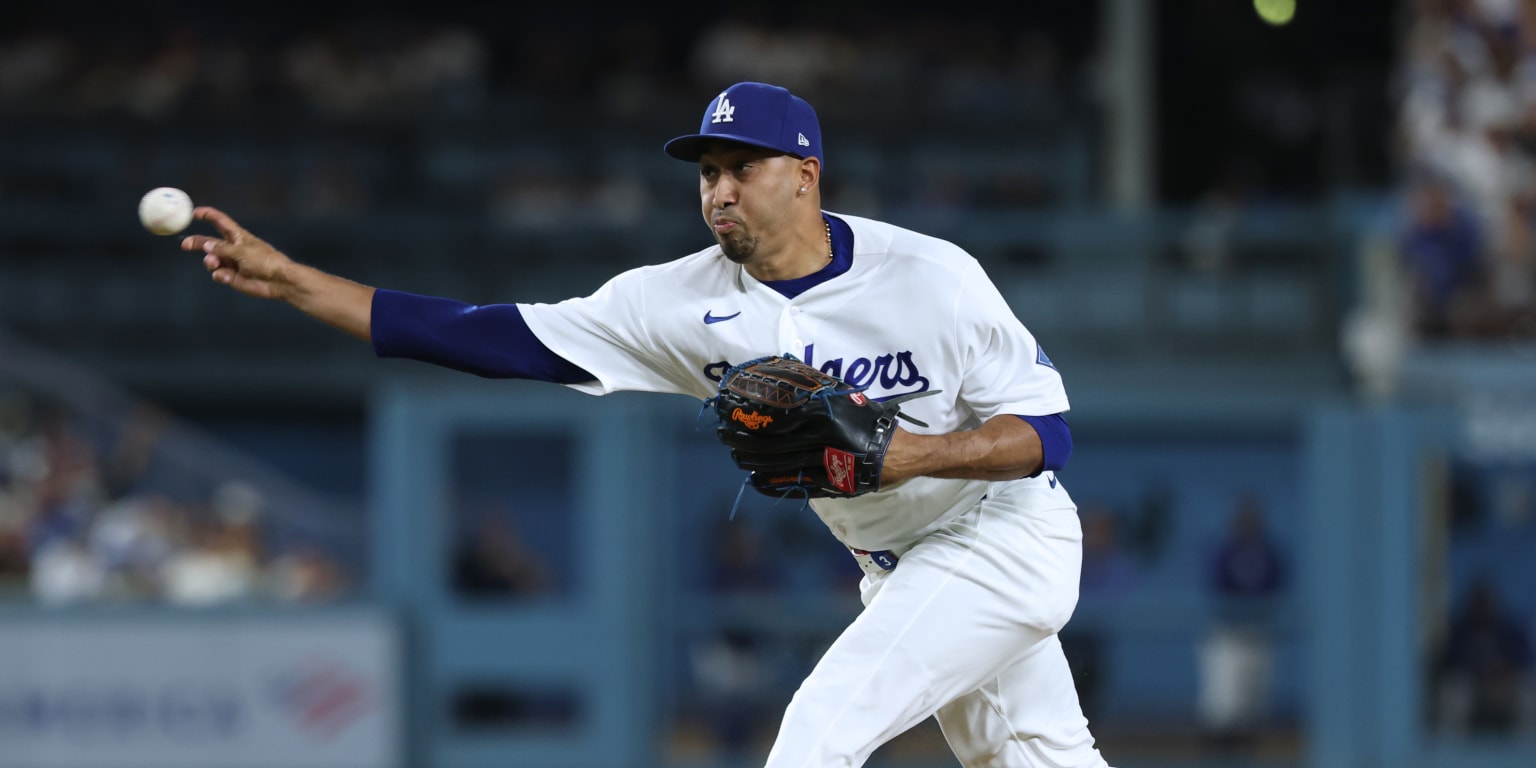
Edwin Díaz returned to the Dodgers' roster Friday after spending nearly a month on the injured list with neck inflammation, marking the second trip to the shelf in a season that has been a disaster by any objective measure. The three-time Reliever of the Year signed a three-year, $69 million deal last offseason with the explicit mission of being L.A.'s closer through 2028 and beyond. Instead, he's burned through two separate injury stints, blown three saves across nine games post-surgery in late July, and posted a 12.91 ERA in his most recent stint before the latest injury derailed any momentum he might have built. His rehab assignment in Oklahoma City provided no relief: seven walks and a hit batter in 4⅓ innings across five appearances, a command profile so deteriorated that swings-and-misses became a luxury.
Manager Dave Roberts' statement on Díaz's path forward was measured but unmistakable: the closer role is off the table. Instead, Díaz will pitch in low-leverage situations—mop-up work, early-inning relief, whatever doesn't touch a one-run game with runners in scoring position. This is the Dodgers' way of letting him audition for October without the pressure of ninth-inning responsibility. With nine games remaining in the regular season and the division title already clinched, L.A. has the luxury of using the stretch run as a trial period, cycling through relief candidates who need to prove their October credentials. Díaz is the most high-profile name in that cohort, which tells you something about where the organization's confidence sits.
The mechanics of Díaz's decline are worth isolating. Before his first IL stint in early June, he was leaking walks (5 BB in 6 IP) and getting hammered (7 ER in 6 IP) across seven appearances—that's 10.50 BB+H per nine innings, a velocity and command mismatch that preceded the loose bodies diagnosis. Post-surgery, the hope was reset. Instead, his second run produced a 12.91 ERA in 7⅔ innings with nine strikeouts, five walks, and two HBP. That's a 1.30 WHIP and a 17.09 BB+H per nine. The command hasn't stabilized; it's worsened. His rehab numbers suggest he's still fighting velocity and location, not just working back to game shape.
For betting purposes, this creates a cascading devaluation across Díaz-dependent props. His strikeout props—typically priced around 3.5 to 4.5 Ks per appearance—are now anchored to low-leverage innings where he'll face fewer hitters, face lighter lineups, and operate without the desperation that sometimes fuels performance. A closer working the ninth inning in a save situation faces three batters per appearance on average; a low-leverage reliever in the third or fourth inning might get one or two. His per-appearance strikeout upside collapses. Dodgers bullpen saves are also tilted away from Díaz now: with Phil Bickford, Evan Phillips, and even Chris Martin ahead of him in the leverage hierarchy, the probability of Díaz recording a save in the remaining nine games sits below 20 percent. Over-unders on his saves props—if books even offer them—should be faded entirely; this is a leverage play, not a skill play.
The single-edge play here is in fade positioning. If Díaz strikeout lines or Dodgers bullpen props lean on the assumption he'll revert to closer duties (some markets may not have fully updated the leverage shift), fade them aggressively. The information advantage belongs to anyone who recognizes that nine games in a low-leverage tryout is not the same as nine games as a closing pitcher. Books typically adjust quickly to role changes, but if there's a 24-48 hour window before Díaz appearance props fully recalibrate downward—before the market prices in that he's pitching one inning in blowouts, not three innings in save situations—that's the window to work. After that window closes, the edge evaporates.