Dax Whitney UCL Surgery: The 2027 Draft's Top Arm Goes Down — What It Means for His MLB Timeline
By PropBetEdge Editorial Team ·
The most electric college pitcher in the country just hit a wall, and the ripple effects reach all the way to next summer's Draft board.
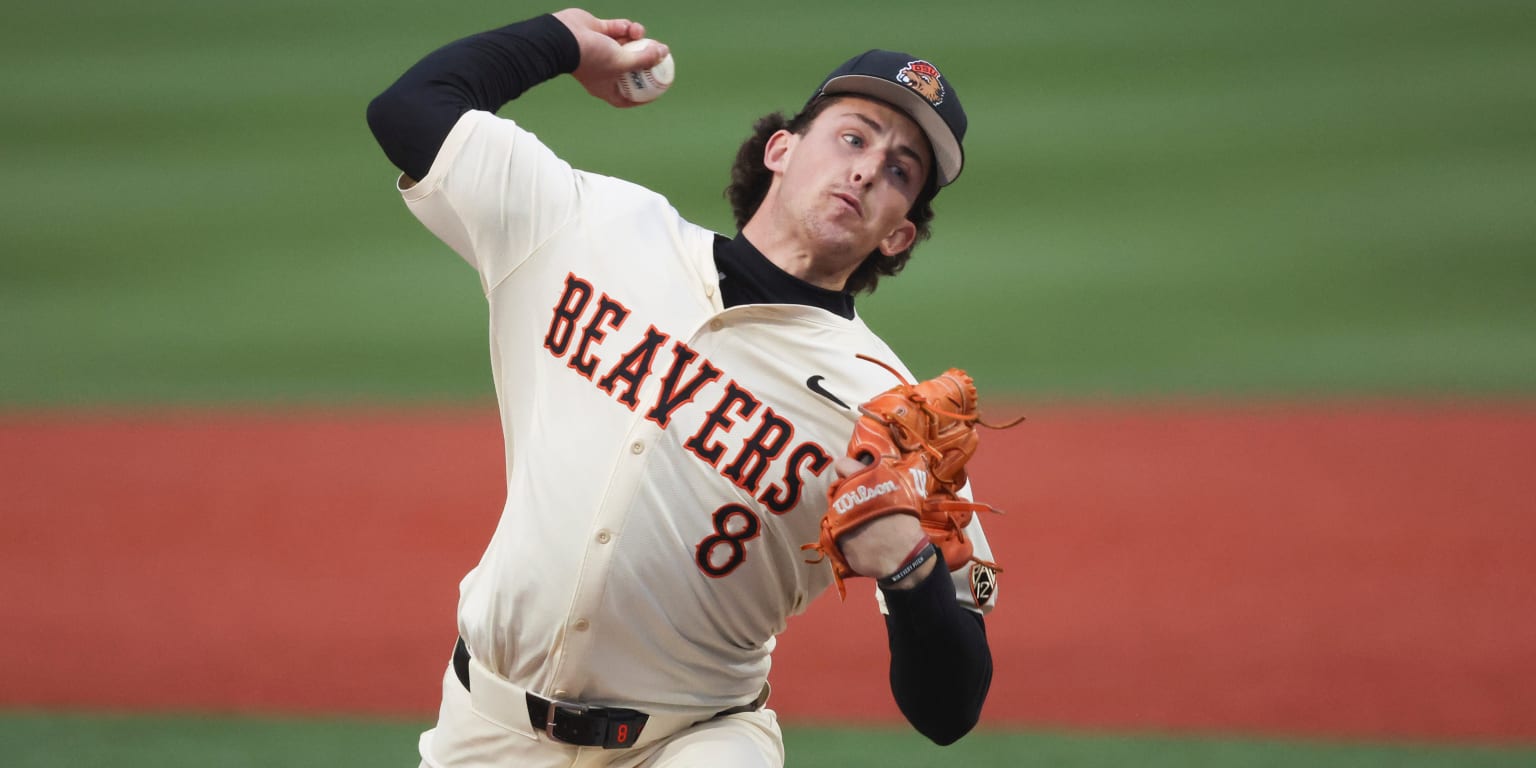
Dax Whitney's breakout 2026 college season is over. The Oregon State sophomore right-hander will undergo UCL surgery, a source confirmed to MLB.com's Jim Callis, shutting down what had been one of the most dominant pitching performances in Division I baseball this spring. Whitney had posted a 2.00 ERA across 63 innings, struck out 104 batters — second-most among D1 pitchers at the time he was sidelined — and held opposing hitters to a .185 average while going 6-1. His 14.86 K/9 ranked fourth among qualified D1 arms. At 6-foot-5 with a fastball touching 101 mph and three credible secondary pitches, he was the consensus early favorite to go No. 1 in the 2027 MLB Draft.
The critical variable now is procedure type. Whitney's recovery timeline splits depending on whether surgeons opt for Tommy John reconstruction — the full UCL replacement that typically costs a pitcher 12-to-18 months — or the internal brace technique, a less invasive intervention that can shorten the runway to return significantly. If Whitney gets the brace and heals cleanly, there's a realistic path back to the mound before next July's Draft. If it's Tommy John, teams will be evaluating him almost entirely on 2026 film and pre-injury metrics, with little to no live-arm data before they hand in their selections.
For MLB front offices, this is a familiar calculus. Pitchers who blow out UCLs in their sophomore college seasons are not disqualifying events on their own — the surgery is practically routine in modern baseball development. What scouts will scrutinize is whether Whitney's mechanics contributed to the injury or whether this was a durability outlier on an otherwise projectable frame. His fastball was already sitting in the 90s coming out of an Idaho high school in 2024 when he was ranked the No. 56 overall prospect; the velocity spike to triple digits in Year 2 of college ball is exactly the kind of jump that lights up radar guns and raises load-management questions in equal measure.
From a betting-market perspective, Whitney is a pre-draft prospect with no MLB contract, so there are no active player props to move directly. But this news carries downstream weight for 2027 Draft-position futures if and when books open markets on first-overall pick. More immediately, it's a reminder to track pitching injury news aggressively as the college draft class matures into pro rosters — velocity profiles like Whitney's, if he signs and climbs quickly, will anchor strikeout prop ceilings that books will need to price cold. For now, the market impact is prospective: the arm to build a K-prop line around in two or three years just absorbed its first significant setback.
The broader takeaway for sharp bettors is structural. UCL injuries at the college level are increasingly predictive of early-career IL stints once a pitcher reaches the pros. When Whitney does sign and debut — whether that's post-2027 Draft or later — fade his early-career workload projections and treat his first full professional season as a volume-limited sample. Books will likely price his strikeout and innings-pitched props based on upside; the disciplined play will be against those ceilings until he proves he can sustain a full rotation workload on a repaired UCL.