Pirates' First-Inning Dependency Becomes a Liability—and a Betting Tell
By Erik Schwartz ·
Pittsburgh's 25-11 record when scoring first masks a deeper fragility: a team that collapses when trailing, which creates predictable betting patterns for the remainder of a four-game series.
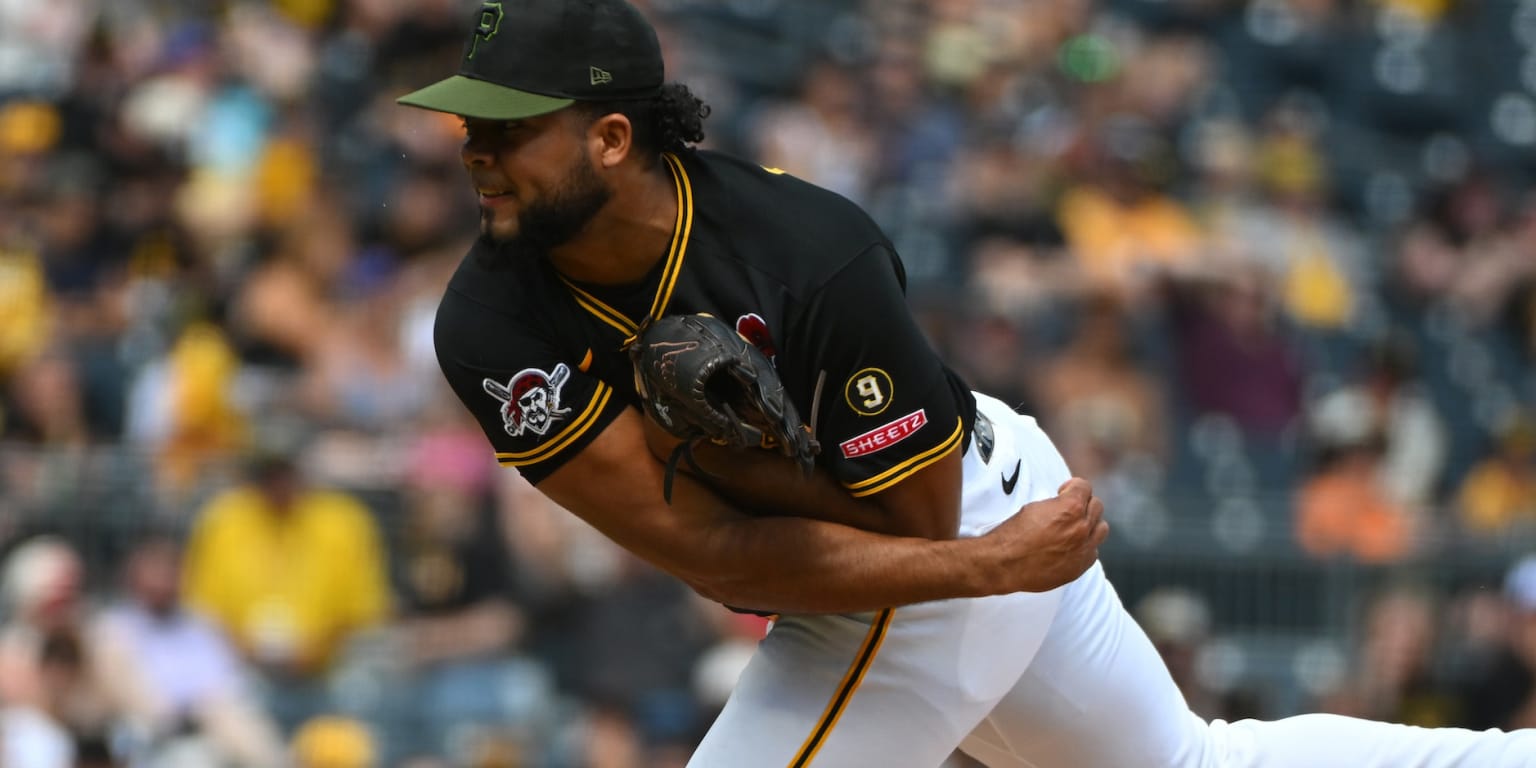
The Pirates beat the Cubs 2-1 on Monday at PNC Park, improving to 28-26 with Henry Davis's seventh-inning solo shot providing the margin. The victory extended a season-long pattern so stark it borders on structural: Pittsburgh is 25-11 when it breaks through in the first inning, and 3-15 when it doesn't. That 22-game swing isn't random noise. It's a diagnostic of a lineup that either seizes early momentum or flatlines entirely.
Davis's homer snapped a 1-1 tie that had held since the Cubs equalized on Michael Busch's solo shot in the fifth. Pittsburgh's own run came via Brandon Lowe's third-inning RBI double. What matters more than the sequence is what it reveals about Pittsburgh's offensive architecture: when the team doesn't get out front early, it lacks the depth or discipline to manufacture runs in tight spots. A 3-15 record when trailing first suggests that the Pirates' approach—or their personnel—is calibrated almost entirely around pouncing on early mistakes rather than grinding through attrition.
Wilber Dotel's three scoreless innings from the bullpen earned him his first MLB win, a low-leverage moment in a one-run game that understates the Pirates' actual bullpen health. Gregory Soto's ninth-inning save was routine. The real operational question is whether Carmen Mlodzinski's early dominance (4⅔ scoreless innings, working out of early second and third-inning jams) can sustain across a four-game series. Mlodzinski threw fastballs on just 27.3% of his pitches through his first 11 games this season, but started Monday's outing aggressively—13 fastballs in his first 14 pitches—before reverting to a slower approach. That volatility in early-game sequencing, paired with a team that doesn't recover well when trailing, creates a concrete edge.
For bettors, the Pirates' record presents a binary opportunity across the remaining three games of this series. When Pittsburgh falls behind early—first inning or second inning, 0-1 or 0-2—its win probability tanks severely. The Cubs should be targeting first-inning runs aggressively; they succeeded in the fifth once the Cubs tied the game, the Pirates had no answer. Conversely, if Pittsburgh scores first again in games two, three, or four, the Cubs face a 3-15 deficit in expectancy, a handicap that justifies fading Cubs moneyline when trailing first. The inverse holds: if Chicago breaks through early, Pittsburgh's inability to manufacture comebacks (3-15 record) becomes a structural weakness. The Pirates' reliance on the first-inning hammer is so pronounced that it's already been priced into their run line and moneyline; what hasn't been fully adjusted is the game-state dependency. Once a team is down 1-0 after two innings, the Pirates' win rate drops to near 17%.
The four-game series now hinges on whether Cubs pitching can keep Pittsburgh off the board early. If that fails, the Pirates lean on their formula. If Chicago executes early-inning discipline, the Cubs can lean on a 3-15 weakness that may still be underweighted in live-betting odds as the series progresses.