Arizona's August Gauntlet Forces Hazen's Hand at the Deadline
By PropBetEdge Editorial Team ·
With three injured aces sidelined until September and a gauntlet of elite competition looming in August, the Diamondbacks GM has less than 72 hours to find starting pitching—and his budget is nearly exhausted.
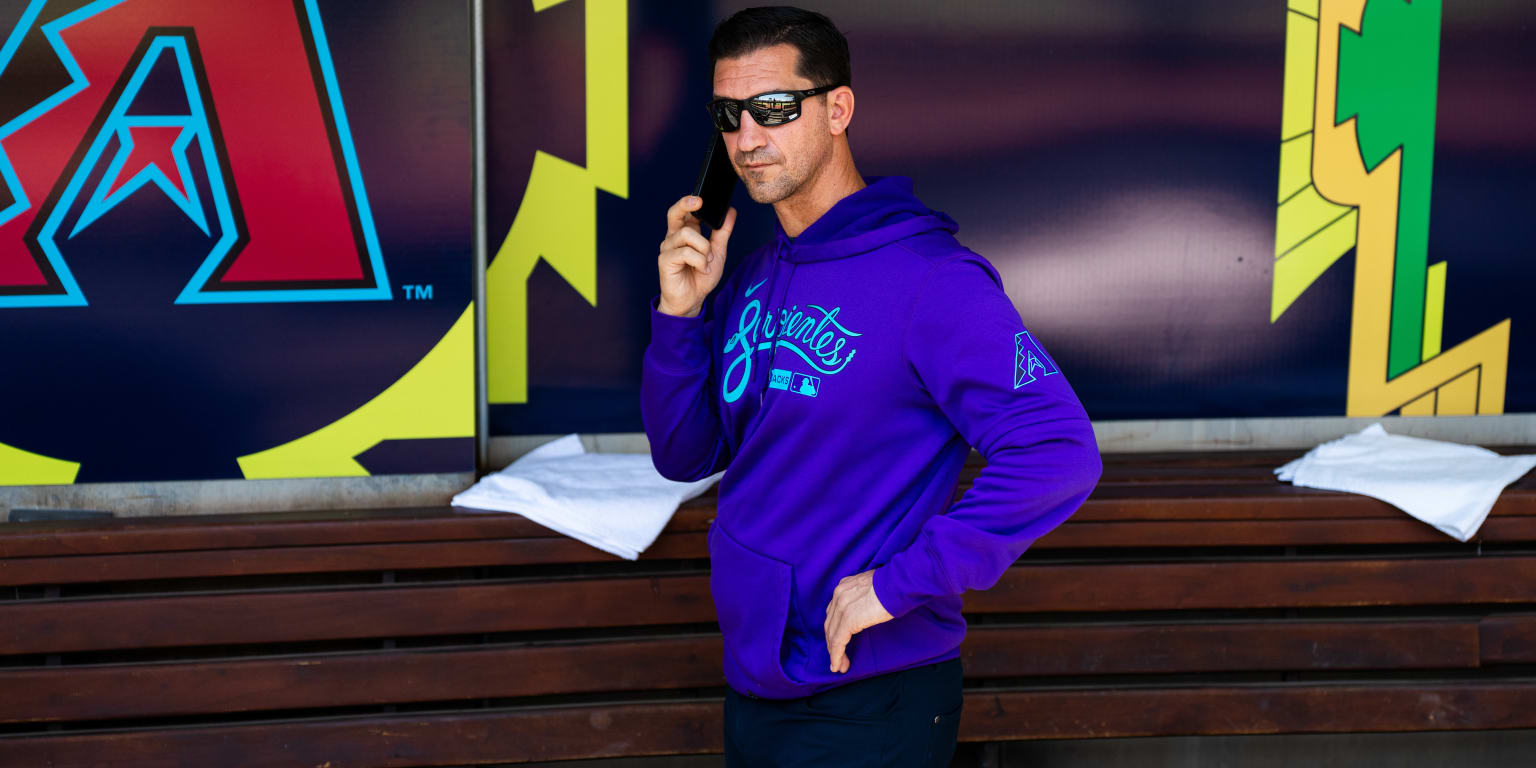
The Diamondbacks have three days to reshape their rotation before Monday's 3 p.m. MST Trade Deadline, and Mike Hazen isn't hiding the urgency. As the team sits in a tight National League Wild Card race, Arizona's depth on the mound has cratered. Ryne Nelson, Zac Gallen, and Michael Soroka are all unavailable, while Corbin Burnes—expected back around the All-Star break in early July—has been pushed to September. That leaves Arizona navigating August with a compromised staff against a schedule that reads like a trial by fire: road trips to Atlanta and Boston, three-game sets against the Dodgers and Padres, Cubs at home. No off-days in the month. Hazen framed it plainly: he's not thinking about September depth. He's thinking about surviving August.
The structural constraints pinching Hazen's options are as real as the deadline clock. Arizona is closing in on the first luxury tax threshold and has declined to breach it, leaving roughly $10 million in absorption capacity for a trade. That's the gap between what a contender needs and what a contender can afford. Add in returning players—outfielders Jordan Lawlar, Tommy Troy, and Lourdes Gurriel Jr. all expected back at various points—and the roster payroll math narrows further. Hazen needs starting pitching but can't spend like a big-market buyer. He's forced to work within a bottleneck.
The bullpen, conversely, drops lower on the priority list despite being a traditional deadline target for contenders. Arizona's relief corps has outperformed expectations this season, and closer Justin Martinez is due back in August with significant velocity. That reduces the urgency to add rentals at inflated deadline prices. If Hazen does add a reliever, it has to be a clear upgrade over what's already performing. Left-handed depth is one exception—Brandyn Garcia is Arizona's only southpaw reliever, creating a structural gap that's worth filling at a lower cost threshold.
For prop bettors, the deadline push signals a shift in how Arizona will deploy its rotation and bullpen down the stretch. If Hazen lands a mid-rotation starter or veteran innings-eater, that pitcher's workload will spike immediately; expect elevated strikeout and innings pitched props on the acquisition within his first two starts, as Arizona leans on him to eat innings and stabilize depth. The starter acquired will likely carry plus moneyline value in his debut, since the Diamondbacks' front office will prioritize proving the trade was necessary—the market often underprices desperation trades in their first appearance. Simultaneously, watch for bullpen workload consolidation. If Arizona adds a reliever, the appearance rate of secondary arms drops, making overs on strikeout props for high-leverage relievers (Garcia, the incoming left-hander) more reliable. Arizona's run differential and team totals will depend almost entirely on whether Hazen finds adequate starting depth by Monday. Without it, August team totals face downside pressure; with a viable addition, overs on Diamondbacks totals in early August become viable before the market adjusts for new roster composition.
Hazen's closing comment captured the dynamic perfectly: when you're the buyer, you don't control timing. Trades will pop in the final hours, possibly forcing Arizona to absorb salary on unfavorable terms just to fill the rotation gap. That desperation edge exists in the betting market too—lines on the Diamondbacks' first acquisition will overcorrect within 24-48 hours as sharps recognize the team had to move fast. Early prices on that pitcher's props are the best window.