Arizona's Automated Strike Challenge Fails at Worst Moment—and the Betting Lesson Is Brutal
By Erik Schwartz ·
Ketel Marte's failure to challenge a game-ending strike three exposes how teams are still learning to deploy the new ABS system, with real money implications for late-inning execution props.
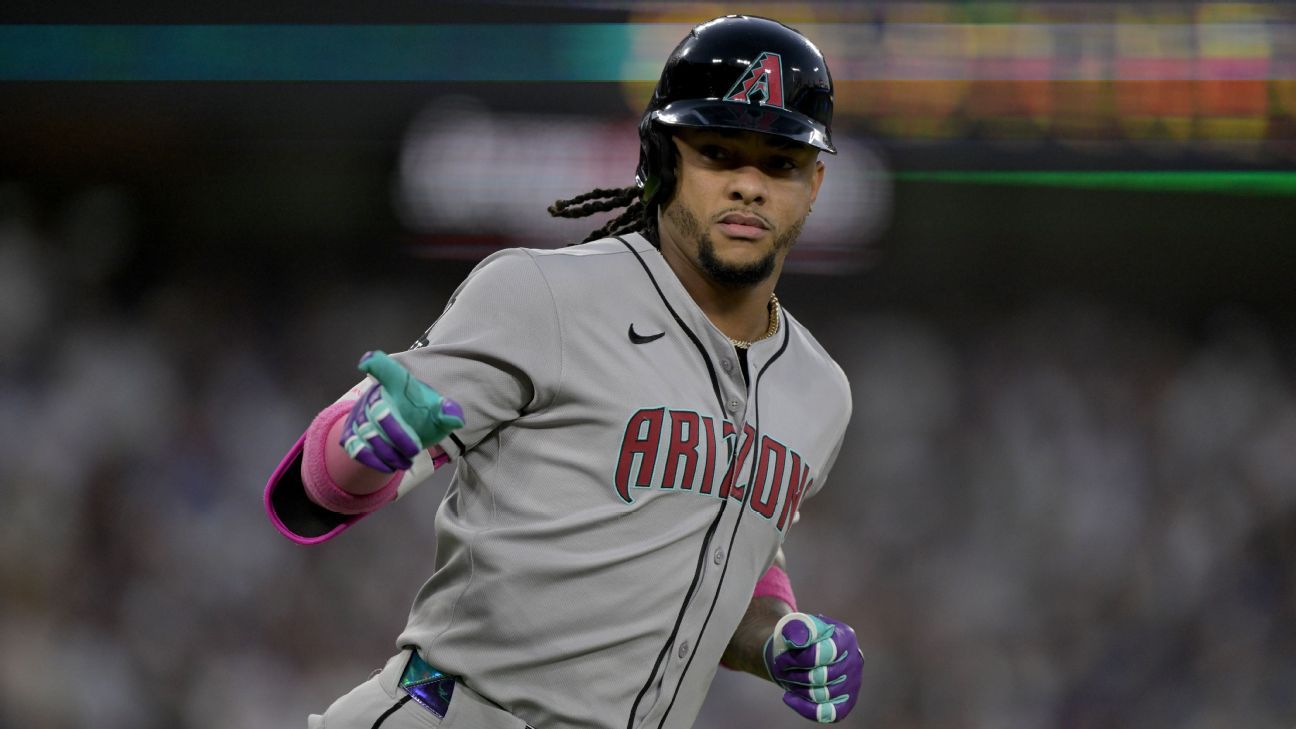
The Arizona Diamondbacks lost Friday night to St. Louis 5-4, but the margin of defeat traces directly to a single decision Ketel Marte didn't make. With the game on the line, umpire Bill Miller called strike three on a 100 mph sinker that television replays showed was high and out of the strike zone. Marte stood at the plate and did not challenge. The Diamondbacks had two ABS challenges remaining—they had full ammunition and chose not to fire.
Marte's explanation afterward offers a window into how the new Automated Ball/Strike system is still colliding with human baseball instincts. "I was looking for a breaking ball," he said. "Got the two-seamer and I was a little bit surprised." In other words, the pitch sequence disrupted his pitch recognition, and by the time his brain processed that he'd been fooled, his body had already accepted the call and stepped away from the plate. Manager Torey Lovullo didn't pile on—"Sometimes you've got to trust your own instincts," he said—but the implication was clear: Marte got beat not by the pitcher, but by the margin between surprise and reaction time. The error compounded an already messy night; Marte had also misplayed a ball in the first inning that led to two unearned runs. A four-game winning streak ended because execution at the highest-leverage moment failed.
This loss is instructive for how the ABS system is reshaping late-game leverage. Before the challenge system existed, a hitter's only recourse against a borderline call was argument—theater with zero upside. Now, the system adds a binary decision tree: recognize the pitch was wrong, decide whether to challenge, execute the challenge. In high-velocity, high-stress at-bats against elite relievers, that decision window is microseconds. The cognitive load has increased even as the tool itself is supposed to increase fairness. Teams are still learning to build protocols for this. Some squads have already begun coaching their hitters on which pitchers are most likely to throw borderline fastballs, and which situations demand the challenge-ready stance rather than the relaxed one. Arizona wasn't sharp enough Friday.
For bettors, the prop implication cuts two ways. Late-inning strikeout totals on premium relievers—pitchers like O'Brien who throw triple-digit gas—may be slightly inflated in the short term as hitters remain prone to the surprise-and-hesitate pattern Marte exhibited. A 100 mph fastball high in the zone is the classic swings-and-misses pitch, but if hitters are momentarily paralyzed by the disconnect between expectation and delivery, they'll chase and whiff rather than challenge. This favors strikeout-volume props on hard-throwing closers and setup men, especially in the first deployment of a new reliever against an unfamiliar lineup. Conversely, teams like Arizona that are still calibrating their ABS protocol may see higher-than-expected losses in tight ballgames over the next 2-3 weeks as they internalize the new decision-making layer. The Diamondbacks were trending upward; they had won four straight before this. That momentum stalls if execution discipline in high-leverage spots remains ragged.