Cubs Gamble on Peterson as Rotation Implodes: Why the Move Carries Downside Risk
By PropBetEdge Editorial Team ·
Chicago's desperate midseason starter acquisition masks a deeper problem—depth, not talent, was always the issue.
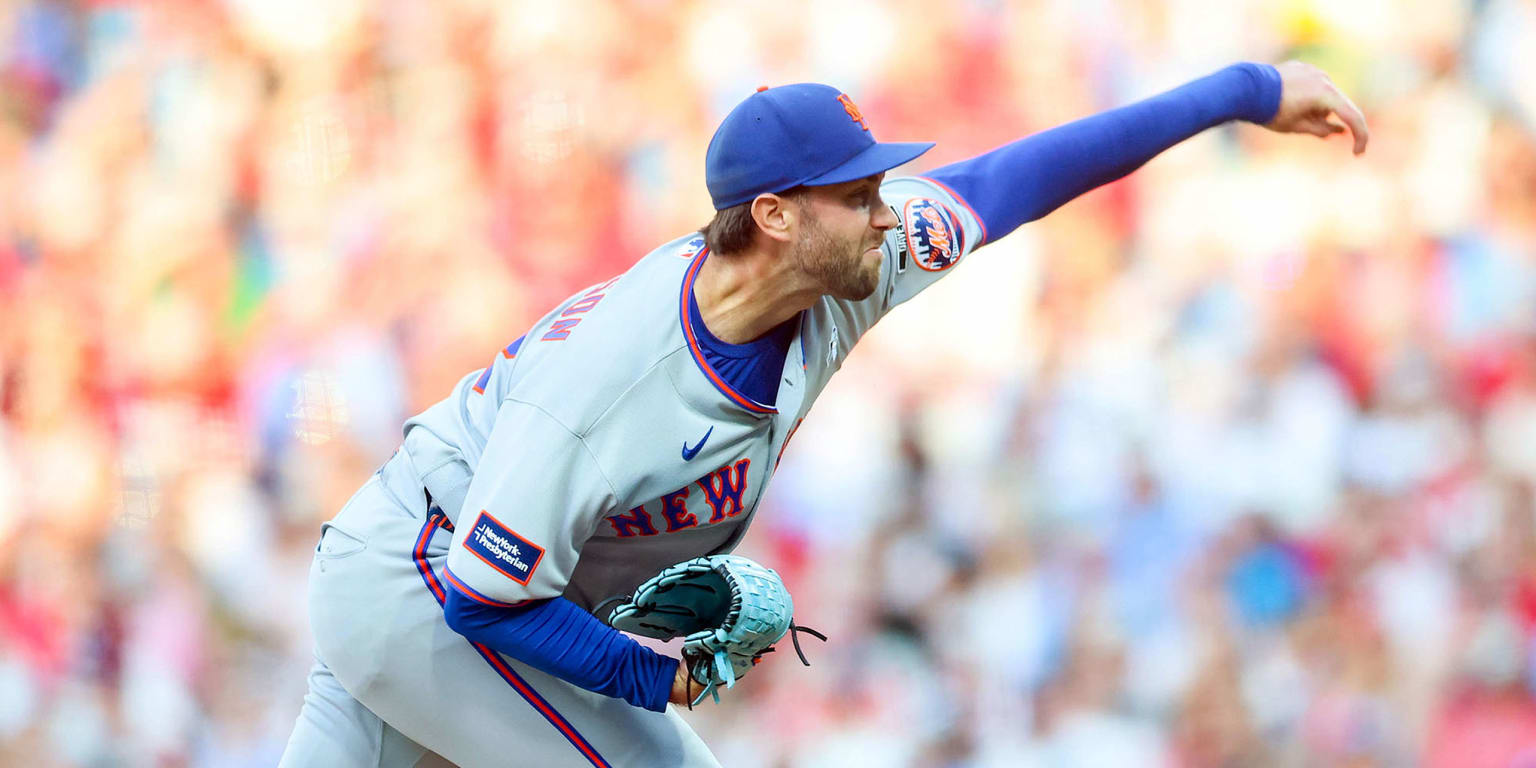
The Cubs acquired left-handed pitcher David Peterson from the Mets on Wednesday night, sources confirmed to MLB.com, sending prospect Cole Mathis (the organization's No. 13 prospect) in return. On its surface, the trade is an act of triage: Chicago's rotation has been decimated by injury, with five arms currently sidelined—Jameson Taillon, Cade Horton, Justin Steele, Ben Brown, and Edward Cabrera. Matthew Boyd is expected to return Thursday. The Peterson move fills an immediate void. The problem is what Peterson brings to the table, and what that actually solves.
Peterson, 30, owns a 3-6 record and 6.09 ERA across 16 appearances (eight starts) covering 68 innings with the Mets this season. He's struck out 63 but walked 30—a K:BB ratio of 2.1:1 that sits well below league average for qualified starters. A first-round pick by New York in 2017, Peterson has spent his entire seven-year career with the Mets, never establishing himself as a reliable rotation piece. He reaches free agency at season's end, which means the Cubs are renting a relief option (or spot starter) for the next 2.5 months with no long-term control. The organization's calculus was clear: roster-construction flexibility outweighed the cost of surrendering near-prospect capital.
Where this trade gets interesting—and risky—for betting purposes is in what it reveals about Chicago's true injury trajectory. The Cubs' rotation crisis isn't a one-week blip; it's structural. Five simultaneous injuries at the MLB level suggest either an organization-wide mechanical or conditioning problem, or extraordinary bad luck that will correct only when bodies heal. Peterson's arrival doesn't resolve either dynamic. He's a body in the rotation, not a fix. For teams and bettors, the distinction matters enormously. Chicago's implied-win totals and game-level moneylines priced in a starting staff that was already fragile; Peterson merely prevents the bottom from falling out further.
On the prop side, Cubs starters' strikeout lines become a focal point. Peterson's K-rate sits at 8.35 per nine innings—below-average for a staff already relying on Matthew Boyd (who enters from injury) and a rookie in Horton (assuming he returns healthy). When the Mets faced Peterson's shortcomings, bettors faded his strikeout props; those same blueprints apply now. Any moneyline or spread movement in Cubs games featuring Peterson should be modest, because the market has already priced in rotation fragility. Sharps won't pile onto Chicago starters' strikeout totals without proof that Peterson's command tightens or his velocity climbs—neither signal is present in his 2026 tape.
The deeper angle: monitor whether the Cubs' bullpen usage changes. A weak starter forces earlier hook times and compounds relief-arm fatigue. Over the next three weeks, Cubs reliever strikeout props and ERA props should be treated with caution; volatility will spike as bench strength gets tested. This is less about Peterson's talent and more about the ripple effect of his arrival into an already compromised ecosystem.