Cubs Bats Wake Up in Crosstown Rout; Offensive Rhythm Questions Fade
By Ty Whitney ·
After managing just five runs across five road games, the Cubs exploded for 14 hits and 10 runs against the White Sox, signaling their high-variance offense may have found stability rather than a one-off relief.
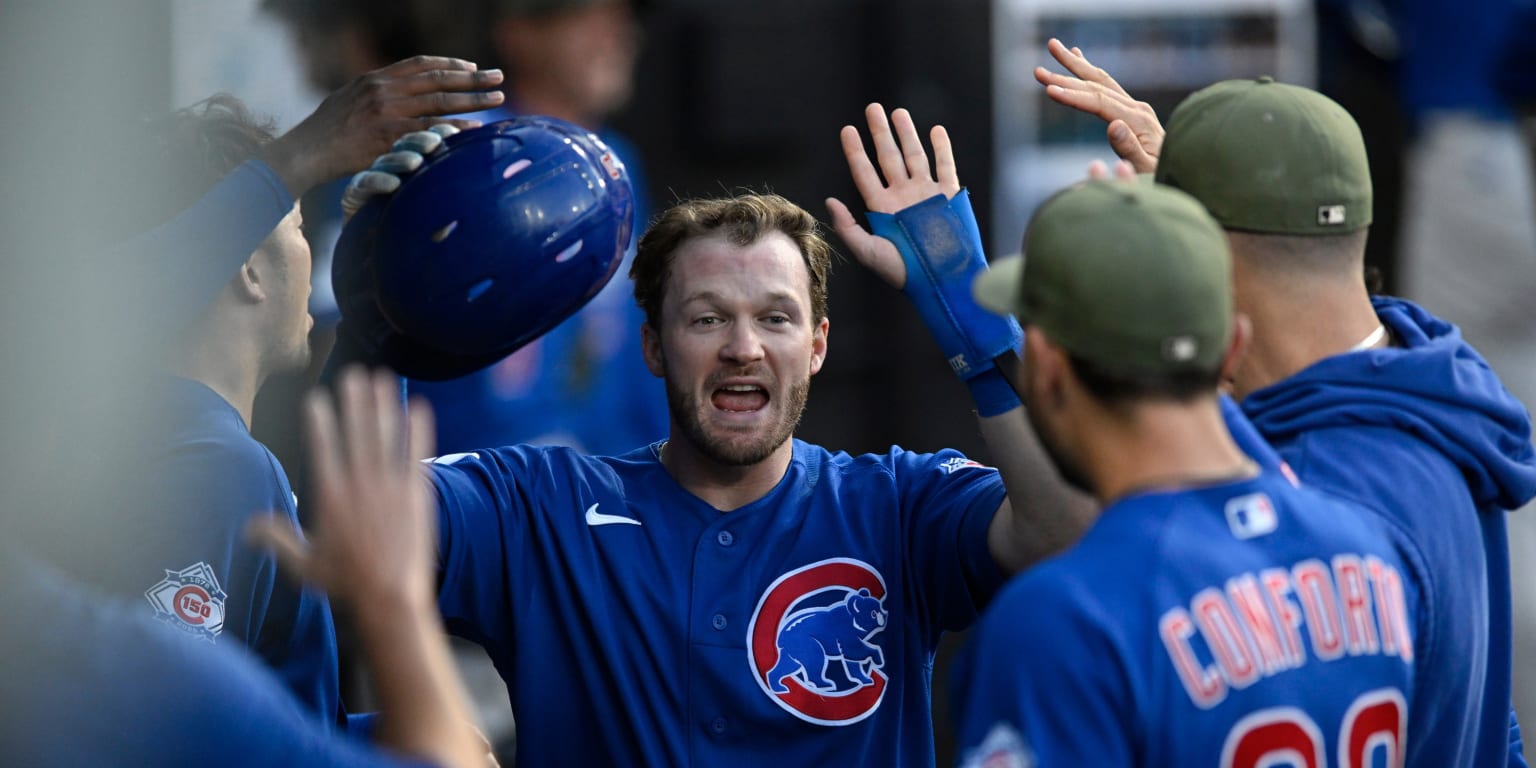
The Cubs dismantled the White Sox 10-5 on Friday at Rate Field, delivering 14 hits and near-universal damage through the lineup—all nine starters registered at least one hit, with 10 Cubs total reaching base. The explosion came after a five-game stretch in Texas and Atlanta that yielded just five runs combined, creating a sharp breakpoint in an otherwise prolific season. This wasn't noise masking injury or matchup failure; it was a full-scale offensive reset that bears direct consequences for how to model Chicago's run production going forward.
The deeper pattern matters here. The Cubs ran an elite 6.2 runs-per-game clip over a 25-game window that carried them into first place in the NL Central. Then came the road trip drought—a five-game nadir that looked like it might signal regression or fatigue. Instead, Friday's game provides a competing hypothesis: the road trip was the outlier, not a trend shift. Seven different Cubs (Ballesteros, Kelly, Suzuki, Swanson, Happ, Busch, Crow-Armstrong) snapped individual slumps in a single night. Ballesteros exited an 0-for-26 funk. Suzuki ended an 0-for-17 drought. Swanson broke an 0-for-18 cold spell. The simultaneity of multiple individual cold-snap breaks in one game is a variance play settling back toward the mean, not a sustainable pattern reversal.
What matters for props is the mechanism behind the offensive outburst. Manager Craig Counsell's postgame framing—"we made it hard every at-bat"—points to a plate discipline and contact quality story, not a ballpark or pitcher quality story. The Cubs took walks, executed baserunning, and generated consistent contact across the lineup. White Sox starter Sean Burke was chased after five innings; the Cubs' offensive approach forced labor costs early. When a lineup goes 14-for-[at-bats] with that kind of contact consistency, it typically reflects a return to baseline function for a team designed around that exact skill set, not a temporary surge that evaporates in the next series.
For prop bettors, the read-through is straight: Chicago's team totals and run-line equity should normalize upward from the artificial compression created by the five-game road pit. If the market had priced the Cubs at 4.0-4.2 team total runs against right-handed starters in neutral or friendly parks after the Texas-Atlanta dip, Friday's game is evidence to fade unders on that same team total going forward. The lineup composition—with Suzuki, Swanson, and Happ all capable of driving clean contact—hasn't changed. The South Side venue favors the Cubs' lefty-heavy approach (shorter pull distances). And with multiple high-leverage hitters simultaneously exiting slumps, the margin of error for further Chicago underperformance has materially widened. Expect team totals to drift back toward the 4.5-4.8 range when the Cubs face similar pitching quality.
The caveat: one explosive game is not a trend reset. The Cubs will see multiple road series before we can confidently say the five-game drought was a travel-related aberration rather than a sign of deeper offensive fragility. But the simultaneity of seven individual slump breaks in a single night—coupled with the quality of contact and discipline on display—points to a return to mean-line operation rather than the start of a downtrend. Smart money should be fading unders on Cubs team totals against comparable pitching over the next 10 days while this variance settling plays out.