Cubs Deadline Haul Reshapes Rotation and Bullpen—Holmes Ready to Contribute Immediately
By Erik Schwartz ·
Chicago swapped prospects for ground-ball depth and a high-velocity relief arm, signaling confidence in their playoff positioning with a month-plus remaining.
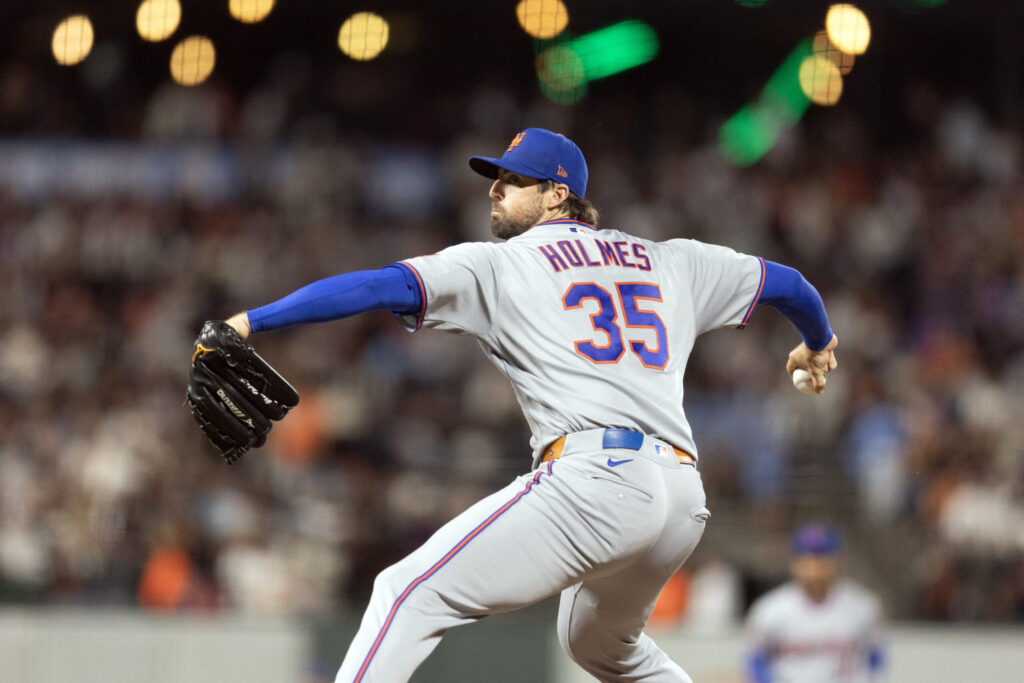
The Cubs traded for Clay Holmes ahead of the deadline despite his presence on the 60-day injured list, a move that underscores both the timing of his recovery and Chicago's conviction in contention. Holmes had already logged three rehab appearances before the deal, clearing the path for his major-league return without the typical IL-to-active transition delays. His next appearance will come in a Cubs uniform, likely within the next week or so depending on workload management.
The broader deadline strategy reflects general manager Jed Hoyer's emphasis on roster depth over top-prospect capital. Chicago added two ground-ball starter types alongside Holmes—a right-handed power arm for the bullpen and a right-handed bench bat. The cost was measured: one or two prospects from their top-ten pipeline, which suggests Hoyer moved off mid-tier assets rather than untouchable core players. That restraint matters. It signals confidence the Cubs can win without fully mortgaging future flexibility.
Holmes' arrival carries immediate operational impact on the rotation. A ground-ball pitcher entering a Cubs defense that ranks in the top half of the majors for double-play conversion creates a defined edge: fewer fly balls to chase, higher contact-dependent strikeout rates baked into his profile. His velocity typically sits in the high 90s, which gives the bullpen a power option it may have lacked. Over the final 30+ games of the regular season, relievers with elite fastball velocity generally see elevated strikeout rates and lower home-run rates per fly ball, especially in high-leverage spots.
For prop bettors, the mechanical question is whether the Cubs' newly constructed rotation and bullpen will translate to measurable line movement. Incoming ground-ball specialists tend to generate fewer strikeouts per nine innings but benefit from lower BABIP and fewer extra-base hits. This favors unders on team totals when the Cubs are facing these pitchers—not because they're "bad" arms, but because ground-ball environments suppress run generation. Conversely, Holmes and the new power reliever will lower the Cubs' bullpen ERA slightly, which can prop up their run-prevention profile in close games. Any overnight line shift toward Cubs overs or tighter bullpen ERA projections reflects the market acknowledging depth improvement, not a durable arbitrage opportunity. The real edge sits in recognizing that ground-ball starters underperform their strikeout props in the public eye; oddsmakers often price them as if they were high-K arms, leaving unders on Holmes' K totals vulnerable to early backing before sharp money recalibrates.