Cubs' Nine-Game Skid Exposes Offensive Collapse—and a Market Still Pricing Them as Contenders
By Ty Whitney ·
Chicago's win-streak equity has evaporated in two weeks, but their run line and team total pricing hasn't fully repriced the offensive dysfunction.
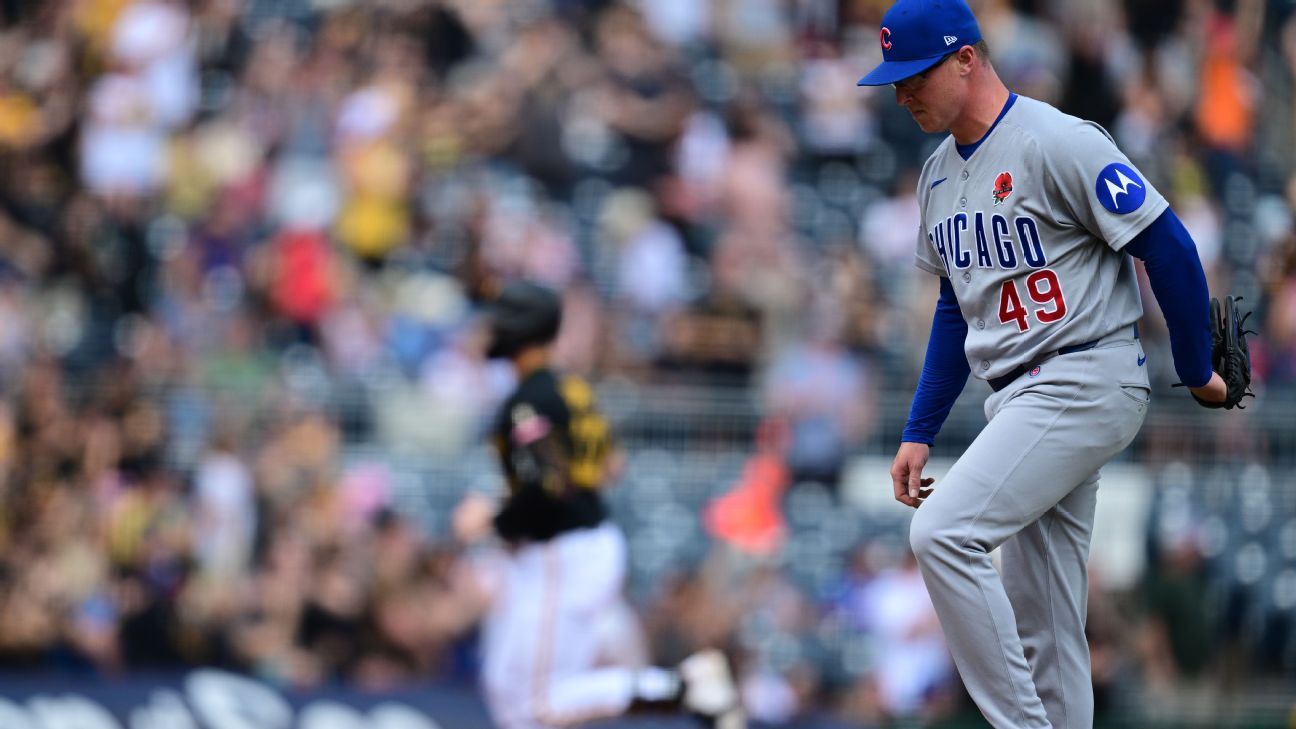
The Cubs fell to Pittsburgh 2-1 on Monday, extending their losing streak to nine games and entering rare historical company—only the 2017 Dodgers have posted multiple 10-game winning streaks AND a nine-game skid in the same season since expansion. The specificity of that mark underscores what's happening: explosive, sustainable offense gave way to something closer to AAA-level execution. Michael Busch's solo homer in the fifth tied the game; Chicago stranded seven runners and went 0-for-2 with runners in scoring position. The Pirates' bullpen—Wilber Dotel and Gregory Soto—retired the final 10 Cubs hitters in order. This wasn't a pitching breakdown. It was systematic batting collapse.
The Cubs entered play 29-25, comfortable atop third in the NL Central, yet they've now scored two runs or fewer in nine of their last 15 contests. Manager Craig Counsell's postgame assessment was candid: the roster has the talent to be "way more consistent" but isn't executing. The machinery is there; the output has stalled. Over the last two weeks, they've been swept by Milwaukee, taken three from Houston, and surrendered a six-game homestand that obliterated any momentum from those two 10-win streaks that defined May.
Where this matters for prop bettors: the market has not fully repriced Chicago's offensive ceiling downward. Sportsbooks still hang Cubs team totals in the 4.3–4.7 range against average pitching, pricing them as if the last 15 games are an outlier rather than a regime change. The data suggests otherwise. Nine games in 15 with two or fewer runs is not variance—it's a signal that the offense has hit a mechanical wall, whether injury-related (missing bats), approach-related (too many strikeouts, not enough contact), or positional concentration (one or two contributors drying up while the rest flail). Until the Cubs show sustained offensive output over a three-to-five game stretch, unders on their team total carry positive expected value.
The nine-game losing streak is also a leveraging moment: teams in freefall often see run lines flatten or move against them despite being slight favorites. Tonight and tomorrow, expect Cubs lines to tighten; sharp money will lean under-total and away from positive run-line moneylines until there's evidence of offensive recovery. The 2017 Dodgers eventually stabilized and won 104 games; the Cubs are nowhere near that narrative yet. Price the dysfunction while it's still fresh.