Cubs Gamble on Hendriks Upside With Minor League Deal
By Ty Whitney ·
A former All-Star reliever lands in Chicago on a low-cost contract after spring training release, creating a volatility bet on a comeback arm.
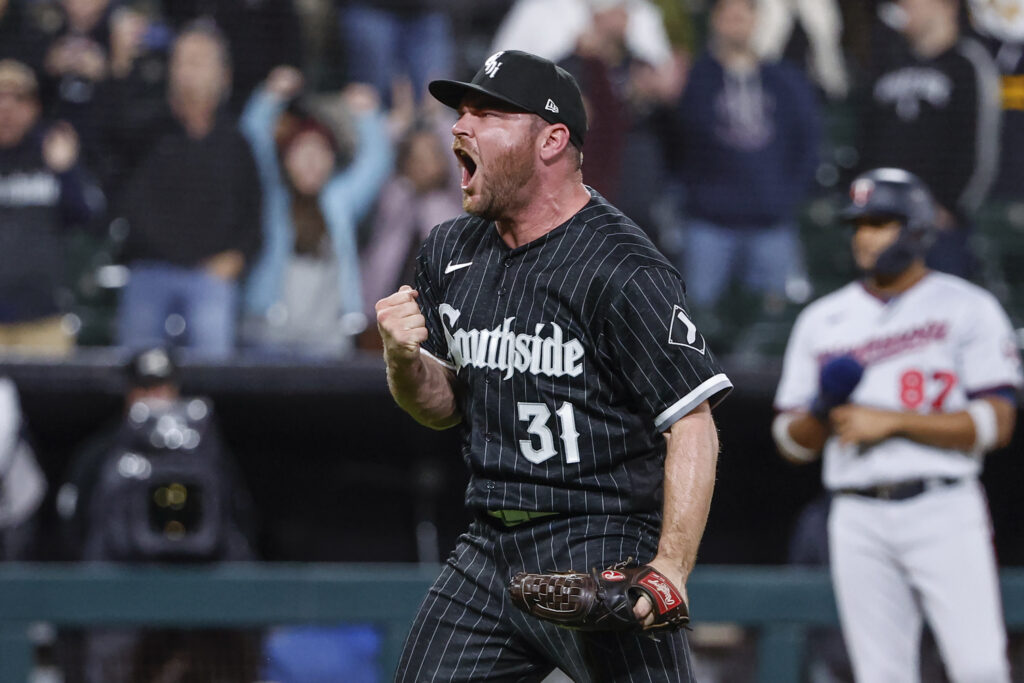
The Cubs have signed right-hander Liam Hendriks to a minor league deal, per The Athletic, after the veteran was released by Minnesota during spring training. Hendriks was in camp with the Twins but didn't make the roster cut—a stark fall for a pitcher who was an All-Star as recently as 2021 and carried a four-year, $112 million contract from Chicago through the 2024 season. The move represents a low-floor, high-ceiling reclamation play for the Cubs' pitching depth.
Hendriks has been a free agent since his Twins release, meaning he's now available for immediate assignment to Triple-A or higher if he shows readiness. The Cubs are betting that velocity recovery or mechanical adjustments can unlock value from a pitcher whose injury history—including Tommy John surgery—has made recent seasons volatile. At the minor league level, Hendriks avoids salary obligations and allows the club to evaluate his arm without major roster commitments. If he rebuilds to even 90% of his 2021 form (when he posted a 3.16 ERA with 120 strikeouts), he becomes a viable depth option or trade chip down the stretch.
For betting purposes, this move carries minimal direct impact on 2026 Cubs totals or live-game props. Hendriks is unlikely to pitch meaningful innings early in the season unless injury forces the club's hand or he puts together an unexpectedly sharp rehab stint. However, his presence on the roster does signal the Cubs' confidence in their minor league infrastructure and willingness to absorb injury risk rather than commit cash upfront—a structural indicator of how the club will manage bullpen depth through trade deadlines and injury windows.
The real edge lies in monitoring whether Hendriks reaches the majors and how quickly. If he pitches at Triple-A within the next month and posts a sub-3.50 ERA, that's a signal the Cubs may use him in low-leverage situations by June or July. At that point, live reliever prop derivatives (strikeout props, earned run props) could offer value if he's priced as if he's fully healthy, when the data suggests he's still a work-in-progress. For now, the move is organizational optionality—cheap upside with no immediate betting footprint.