Thielbar's Return Plugs Cubs Bullpen, But Injury Depth Still Threatens Late-Game Leverage
By Ty Whitney ·
Chicago activates a veteran left-handed reliever after three weeks out, yet their rotation remains gutted—a constraint that will compress bullpen usage and wear.
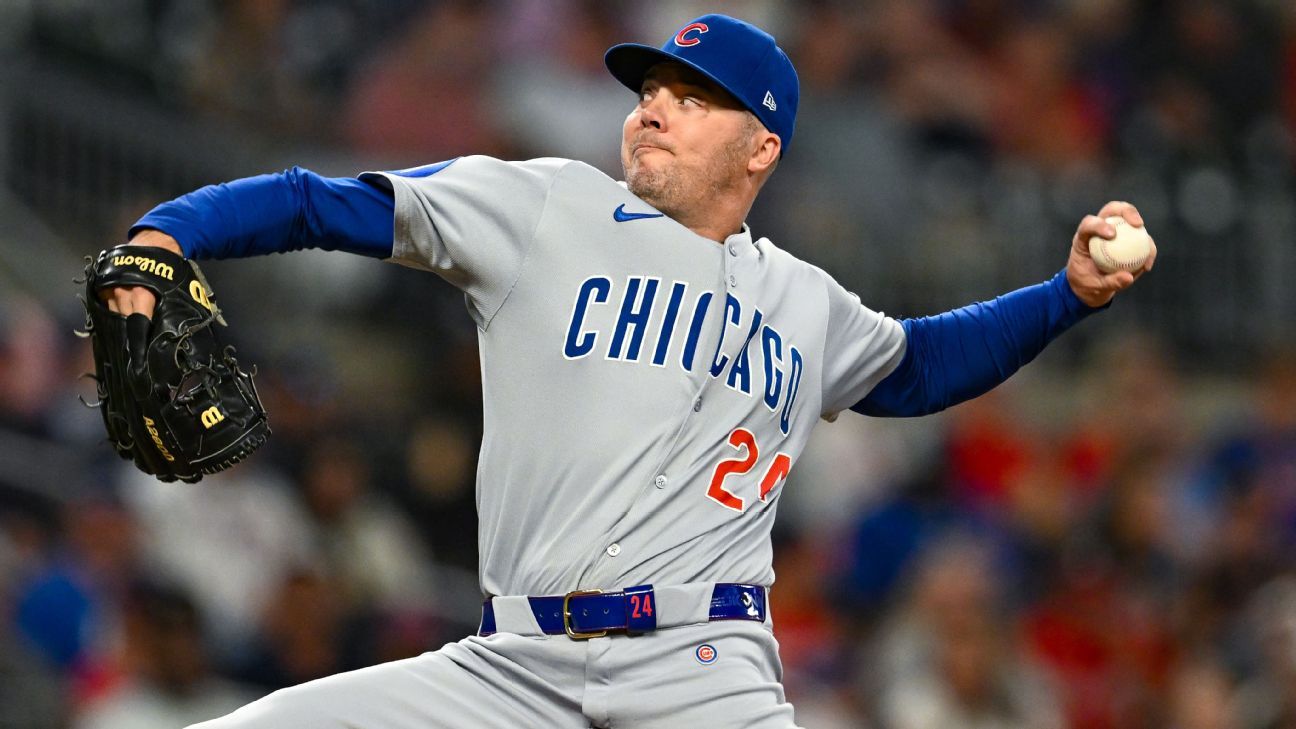
The Cubs reinstated left-handed reliever Caleb Thielbar from the 15-day injured list before Tuesday's game against Milwaukee, addressing an acute shortage in their relief corps. Per ESPN, Thielbar had been sidelined since late April with a left hamstring strain and carries a 3.12 ERA over 8⅔ innings this season, including two saves across 11 appearances. The move provides immediate relief—literally—but doesn't solve the structural damage to Chicago's pitching infrastructure.
Thielbar's availability matters less for his individual performance than for what it signals about bullpen pressure. The Cubs' rotation is crippled: Opening Day starter Matthew Boyd remains out post-meniscus surgery, Cade Horton is season-done with elbow damage, and Justin Steele has stalled in his recovery from his own elbow setback. When a rotation is this compromised, relievers absorb catastrophic inning loads. Every bullpen arm—even a steady performer like Thielbar—faces elevated usage and fatigue accumulation. The Cubs designated journeyman Ty Blach for assignment to create roster space, signaling they view Thielbar as essential enough to cut ties with a recent call-up.
Chicago's recent form amplifies the leverage problem. They've lost three straight and seven of their last nine games, a sharp reversal from a 20-3 run earlier in May. Counsell's team sits a half-game clear of Milwaukee in the NL Central, meaning close games will demand high-leverage relief. When a bullpen's internal depth is thin—and Chicago's plainly is—closers and setup men accumulate saves and holds attempts at abnormal rates. Thielbar's 3.12 ERA is serviceable, but in an overextended pen, individual ERA matters less than availability and innings eaten.
For bullpen-adjacent prop angles, Cubs reliever strikeout props and team-total unders warrant scrutiny. Thielbar's career 3.26 ERA over 425 games suggests baseline reliability, but the hamstring strain introduces a reinjury risk that will compress his high-leverage availability—he won't be deployed in consecutive nights early in his return. More materially, the rotational collapse means fewer innings of quality starting depth, pushing wins and first-five-inning scoring onto a bullpen that's now running on fumes despite Thielbar's addition. Unders on Cubs team totals have structural appeal because their scoring window will shrink when starters can't survive past the fourth inning, handing ninth-inning leverage to relievers who haven't yet re-acclimated to velocity and command demands.
Thielbar's reinstatement is real relief, but it's a patch on a fractured framework. The Cubs got one veteran arm back; they lost two aces to surgery and haven't recovered a third. Until Boyd, Horton, or Steele return, every game magnifies bullpen tax on leverage spots.