Cubs' Rotation Crunch Deepens: Cabrera's Hamstring Rehab Won't Solve the Pitching Shortage
By PropBetEdge Editorial Team ·
Edward Cabrera's progress in his throwing program offers hope, but weeks remain before he can pitch live games—leaving Chicago scrambling for innings in the rotational arms race before August.
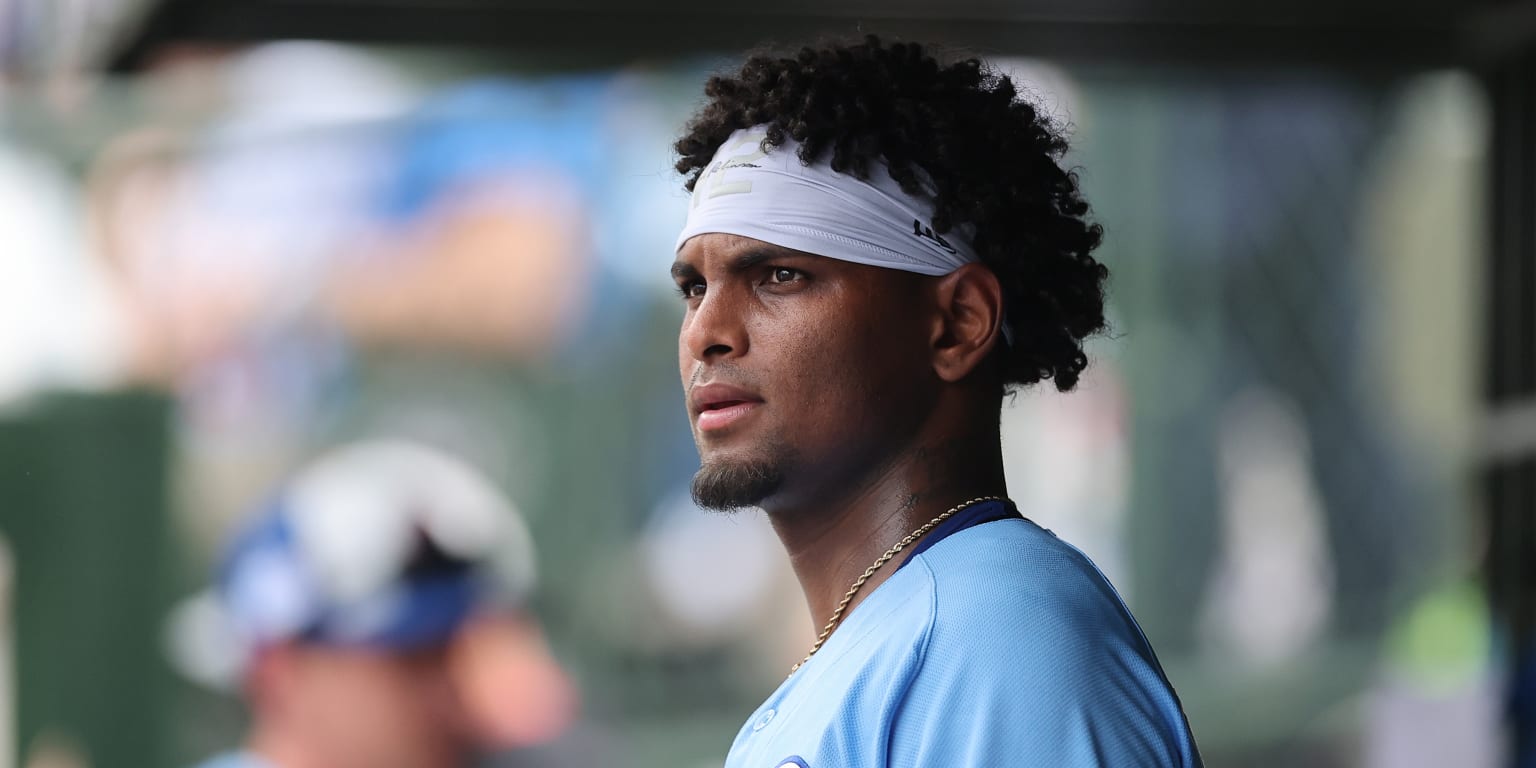
Edward Cabrera tested his left hamstring and adductor with agility work in the outfield Sunday at Wrigley Field, two weeks after straining both muscles on June 23 against the Mets. Cubs manager Craig Counsell said the goal is a bullpen session before the All-Star break—a modest but meaningful milestone that moves Cabrera from rehab theater into actual pitching preparation. Problem: even in the best-case scenario, Cabrera won't pitch in a game for another three to four weeks minimum, leaving the Cubs' rotation in genuine distress through the Trade Deadline.
Chicago is running on fumes up the middle of the rotation. Jameson Taillon threw 45 pitches in a rehab start Sunday and could rejoin the roster before the All-Star break in just over a week. But behind Taillon sits a rotation gutted by injury: Justin Steele (60-day IL, left elbow) and Cade Horton (60-day IL, right elbow) are both long-term losses, with Horton shelved for the season. Ben Brown (15-day IL) is also unavailable. David Peterson was acquired from the Mets to plug the gap, but the Cubs' depth is threadbare. Cabrera, a three-prospect acquisition from Miami over the winter, posted a 7.05 ERA in eight starts over May-June and still hasn't proven reliable enough to carry an ace workload. The math doesn't work: the Cubs need innings, and the market for starting pitching at the August 3 Trade Deadline will price in exactly this desperation.
For prop bettors, Cabrera's rehab creates a false valuation anchor. Markets may price Cabrera's return as imminent based on "positive news," but the actual timelines tell a different story. He needs a bullpen session (likely mid-July), followed by a live batting practice, then a Minor League rehab assignment where he builds from two innings up to five. That's a late July or early August return at the earliest—right into the deadline chaos when the Cubs might already be sellers. If Cabrera does return before September, he'll enter the rotation as a depth piece, not a savior, with no track record of health this season. His strikeout rate and ERA will track closer to his May-June collapse than his early-season 3.06 mark because he'll have thrown only 45-60 innings across two months.
The Cubs' decision-making around Cabrera's workload becomes a betting signal itself. If the team delays his return or limits his outings (classic load management for injury rehabs), his strikeout total and innings pitched will contract. If they rush him back to avoid Trade Deadline spending, he'll be overworked and vulnerable to relapse. Either way, fading Cabrera strikeout props and innings-pitched overs in his first 2-3 starts after return makes tactical sense. The market is pricing hope; the mechanism is constraint. The Cubs' pitcher injuries have created an arbitrage where Cabrera's return is priced as a catalyst when it's actually a patch over a hemorrhage.