Cubs Cut Taillon Despite Rotation Chaos; Wantz Promotion Signals Strategic Pivot
By Ty Whitney ·
Chicago's decision to DFA a veteran starter while nursing injury problems in the rotation reveals just how far Taillon's stock has fallen.
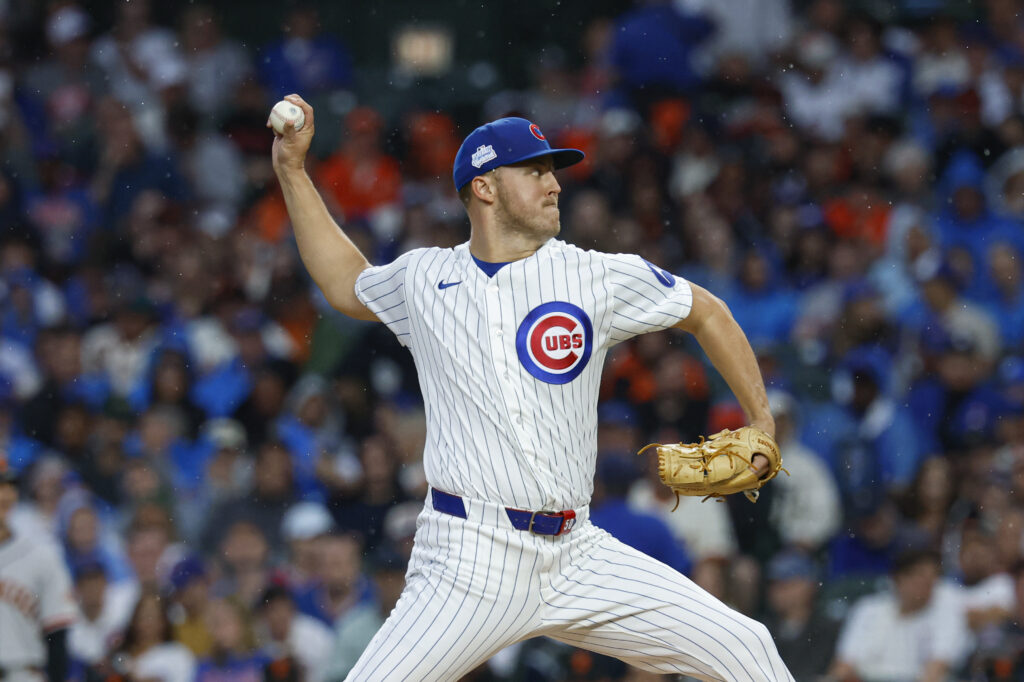
The Cubs designated right-hander Jameson Taillon for assignment on Monday, clearing a roster spot for left-hander Andrew Wantz's contract selection. The move lands harder than a standard pitching shuffle because it arrives against the backdrop of Chicago's depleted rotation—the organization has weathered multiple injuries this season yet still concluded that Taillon no longer merits a spot in the big-league bullpen or rotation mix.
Taillon's 2026 campaign has been a steady erosion. The veteran came to Chicago on a two-year, $32M deal signed before the season, part of a roster construction that assumed he'd anchor the middle of the rotation. Instead, durability and command issues have made him unreliable; his ERA balloons in high-leverage spots, and hitters have begun hunting fastballs earlier in counts. Even accounting for the Cubs' injury crunch—which has forced emergency bullpen usage and spot starts throughout July—the front office concluded that internal depth (Wantz, younger arms in the minors) offers better risk-adjusted value than keeping Taillon active.
The strategic signal is clear: the Cubs are not just making a depth move, they're acknowledging that Taillon's regression is unlikely to reverse on a 10-day DFA window. If he clears waivers, he'll be sent down or released outright. This isn't a health pause or a timing play; it's an exit. For bettors tracking Cubs pitching depth and bullpen workload, the calculus shifts immediately. With fewer reliable rotation arms, the Cubs will lean harder on high-leverage relief appearances, which raises injury risk for closer-eligible arms and compresses rest between appearances.
From a wagering lens, Cubs bullpen props—particularly strikeout totals and innings-pitched accumulation for mid-tier relievers—will face structural headwinds for the rest of July and into August. The team will cobble together starts using younger arms and bullpen games, creating volatility in total run lines and first-five-innings totals. Any Wantz start will attract sharp action because he's an unknown commodity in a thin rotation; fade season-long strikeout props for Cubs starting pitchers until the rotation stabilizes, as the workload and matchups will be skewed by emergency deployment.
Taillon's DFA itself carries minimal betting impact—he's not a volume strikeout or innings prop anymore—but the roster flexibility it creates for Chicago does. Monitor the waiver wire for his destination; if a contender claims him on waivers, his peripheral upside relative to his Cubs numbers could justify modest contrarian strikeout props in that new role. The Cubs' move, however, is the market-moving event: it confirms rotation depletion is now severe enough to force suboptimal roster construction, which will widen spreads and unders for Chicago games over the next two weeks.