Cubs Add Depth to Rotation via Waiver Claim of Christian Roa
By PropBetEdge Editorial Team ·
Chicago claims the 27-year-old righty after Baltimore's mid-season pivot, signaling a bullpen arms race that could compress Cubs leverage late in games.
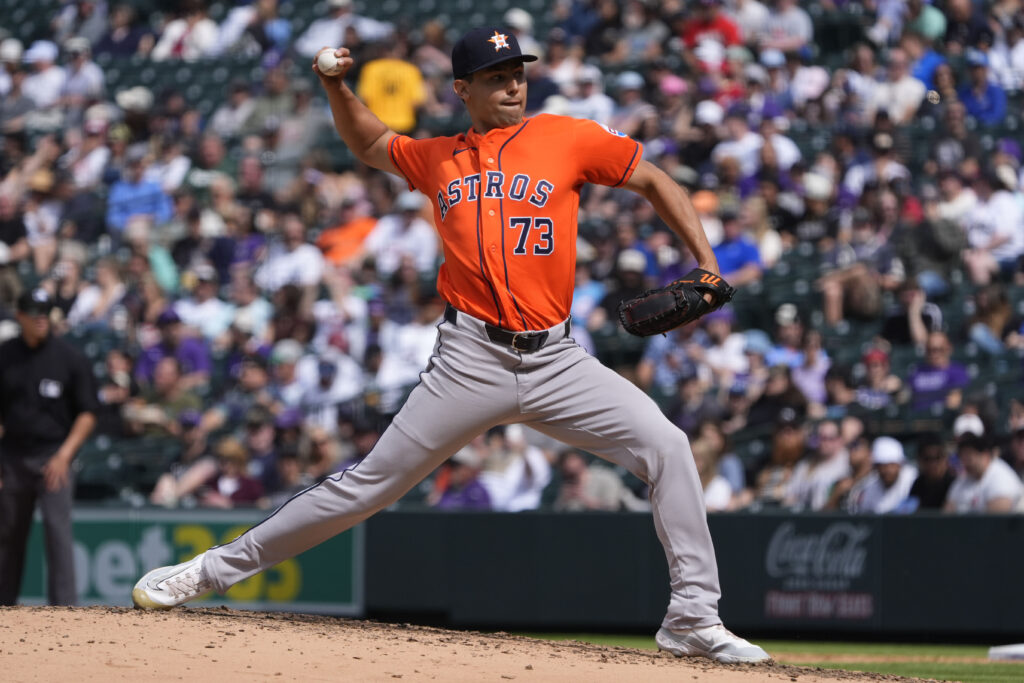
The Cubs claimed right-hander Christian Roa off waivers after Baltimore designated him for assignment on Friday. The move came one day after the Orioles acquired fellow righty Eduarniel Núñez in a trade with Oakland, effectively choosing Núñez's peripherals and contract flexibility over Roa's roster spot. At 27, Roa has spent the season churning through organizations—he broke camp with Houston, got demoted after the first series, and landed in Baltimore's bullpen mix. Now he's Chicago's problem to develop or deploy.
Roa's journeyman status tells a specific story: he has stuff—typically a fastball-slider combo that gets swings and misses—but consistency issues that have made clubs hesitant to commit rotation innings. His strikeout rate has hovered between 8.5 and 9.2 per nine in his last two organizations, respectable for a depth arm but not dominant enough to overcome control lapses. The waiver claim is not a vote of confidence; it's a low-cost lottery ticket. The Cubs absorb his $650K salary and get a bullpen arm with upside if the mechanics click, downside if they don't.
For the Cubs specifically, this move addresses a real gap. Their bullpen has logged heavy innings in tight spots—closer usage has been stretched thin, and mid-inning leverage assignments have gone to borderline trust cases. Adding a secondary arm with swing-and-miss potential, even one with a track record of inconsistency, reduces the reliance on proved commodities in high-leverage spots. That efficiency gain matters in a compressed season: fewer pitches on the anchors means they stay fresher into October.
From a prop perspective, the angle cuts two ways. First, if Roa settles into a defined relief role (8th-inning spot or low-leverage setup), his strikeout volume becomes a micro-play—he's the kind of arm that can post 10+ K's over 20 innings if he gets regular run. That K prop carries juice because the market won't have priced a waiver pickup into individual pitcher lines until he's on the mound. Second, and more durable: any Cubs reliever who absorbs high-leverage innings from the rotation's tail benefits from reduced carry-over fatigue. If Roa's arrival enables the Cubs to bank an extra inning or two per week from their top two closers, those arms log fewer strikeouts per appearance than they would have under compressed usage. Watch Cubs closer strikeout lines—they may compress slightly as the bullpen rotation deepens, a counterintuitive fade that recognizes the leverage math, not the talent change.
The real test is deployment speed. If Roa pitches within 72 hours, he's earned Chicago's trust immediately. If he sits three weeks, he's a depth piece waiting for injury. Early usage will be the signal that the Cubs view this as a plug-and-play option rather than a developmental stash. For bettors, monitor box scores for his first appearance—it will tell you whether the organization is counting on him or hedging.