Cubs' First-Inning Blitz Exposes Valdez Volatility; Peterson Delivers on Trade Investment
By Ty Whitney ·
A 10-batter, 42-pitch assault in the opening frame dismantled Detroit's rotation and rewarded Chicago's aggressive setup—with implications for how opposing bullpens price Valdez starts moving forward.
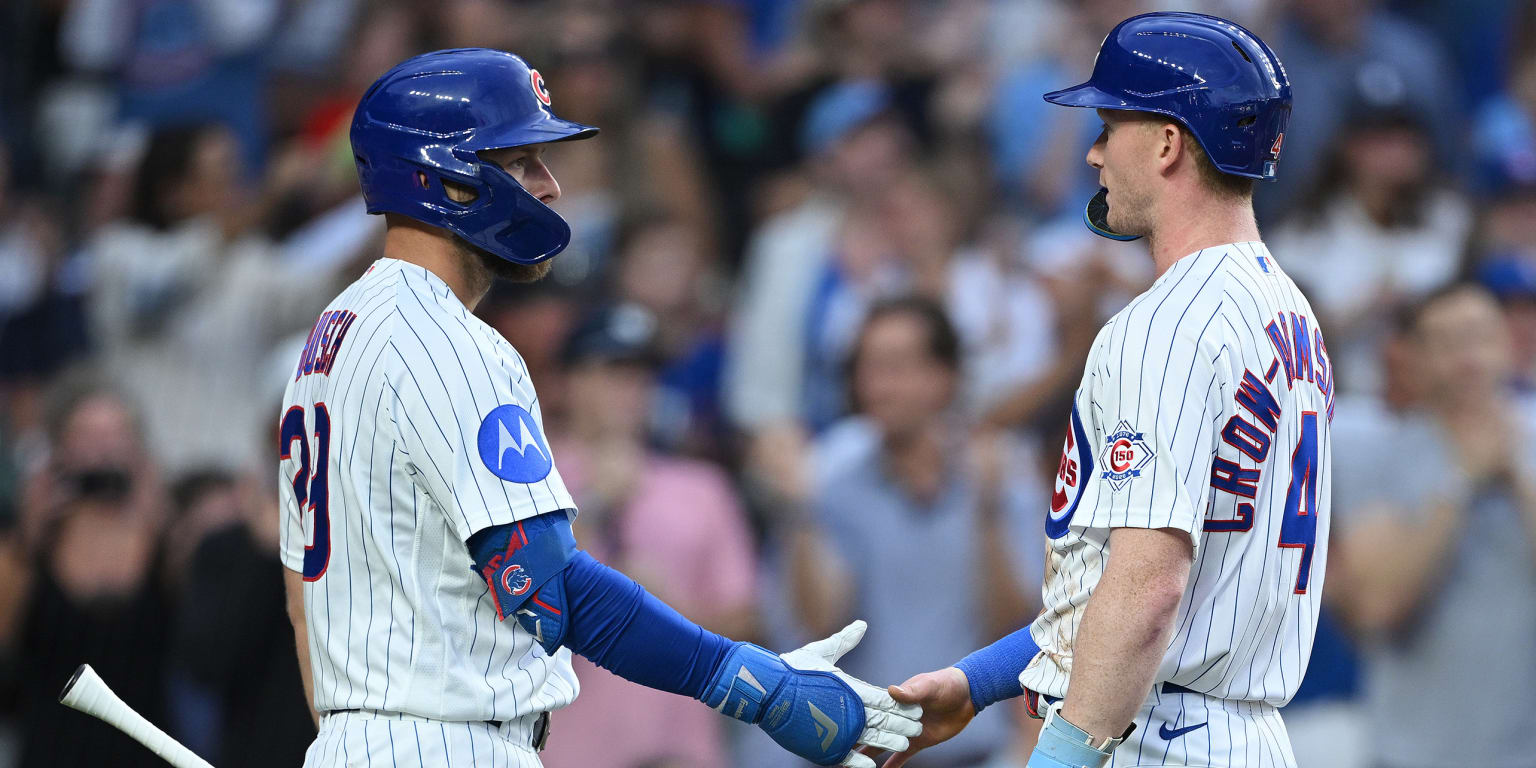
Pete Crow-Armstrong's triple into the right-field corner on the first pitch from Framber Valdez set the tone for what became an 11-2 Cubs runaway at Wrigley Field on Tuesday. What appeared as a single explosive inning—six runs on a sequence of four consecutive singles, two walks, and a hit batter—was actually a systematic exposure of Valdez's command collapse. The Cubs' first seven hitters reached base. Valdez threw 42 pitches in a single frame before being lifted with the bases loaded. This wasn't variance; it was a lineup executing a game plan built on stringing contact when wind conditions favored line drives over fly-ball distance.
The deeper story centers on Chicago's acquisition of David Peterson. Four starts into his Cubs tenure, the veteran lefty has shown more stability than the team's rotation had offered before the trade. On Tuesday, Peterson worked 6⅔ scoreless innings, generating nine ground-ball outs and striking out four—his cleanest outing in a Chicago uniform. That kind of command consistency, paired with an early 5-0 cushion, is exactly what the front office envisioned when it made the deal. Peterson's ground-ball rate and strikeout efficiency suggest he's genuinely back on track rather than benefiting from a short sample-size blip.
The third notable thread was Michael Conforto's pinch-hit power. The veteran drilled a two-run shot in the fifth against righty Brenan Hanifee—Conforto's fourth pinch-hit home run of the season, tying a Cubs single-season record set by Glenallen Hill in 1999. Through 29 plate appearances off the bench, Conforto has posted a .333 average and 1.268 OPS. That's not noise. Conforto's consistency as a bench bat with leverage situations (bases loaded or runners in scoring position) is a quantifiable edge; teams that deploy him in those spots are not getting replacement-level production.
From a wagering perspective, this game carries a forward signal on two fronts. First, Detroit's bullpen priced in Valdez's volatility before first pitch; the -145 moneyline reflected confidence in the rotation at Comerica Park. What the market undershoots is how badly a single bad inning can unravel a game's total when the opposing lineup is structured to exploit it. The Cubs' win-total outlook for July benefits from games like this where the offense's setup (wind direction, pitcher matchup, bench availability) aligns with execution. Second, Peterson's fourth-consecutive competent start is narrowing the gap between his true talent level and his recent performance. As his pitching line normalizes—fewer walks, steady strikeout rate—the injury-to-return narrative that depressed his value at acquisition softens. Over his final 10 starts of the season, Peterson at even money on Cubs team total overs carries less downside risk than his name-recognition injury history suggests.