Crochet's Lat Setback Extends Boston's Rotation Uncertainty Into Late Season
By Erik Schwartz ·
A second procedure compresses Crochet's offseason ramp-up, leaving the Red Sox without their $170M anchor deeper into a window where innings matter most.
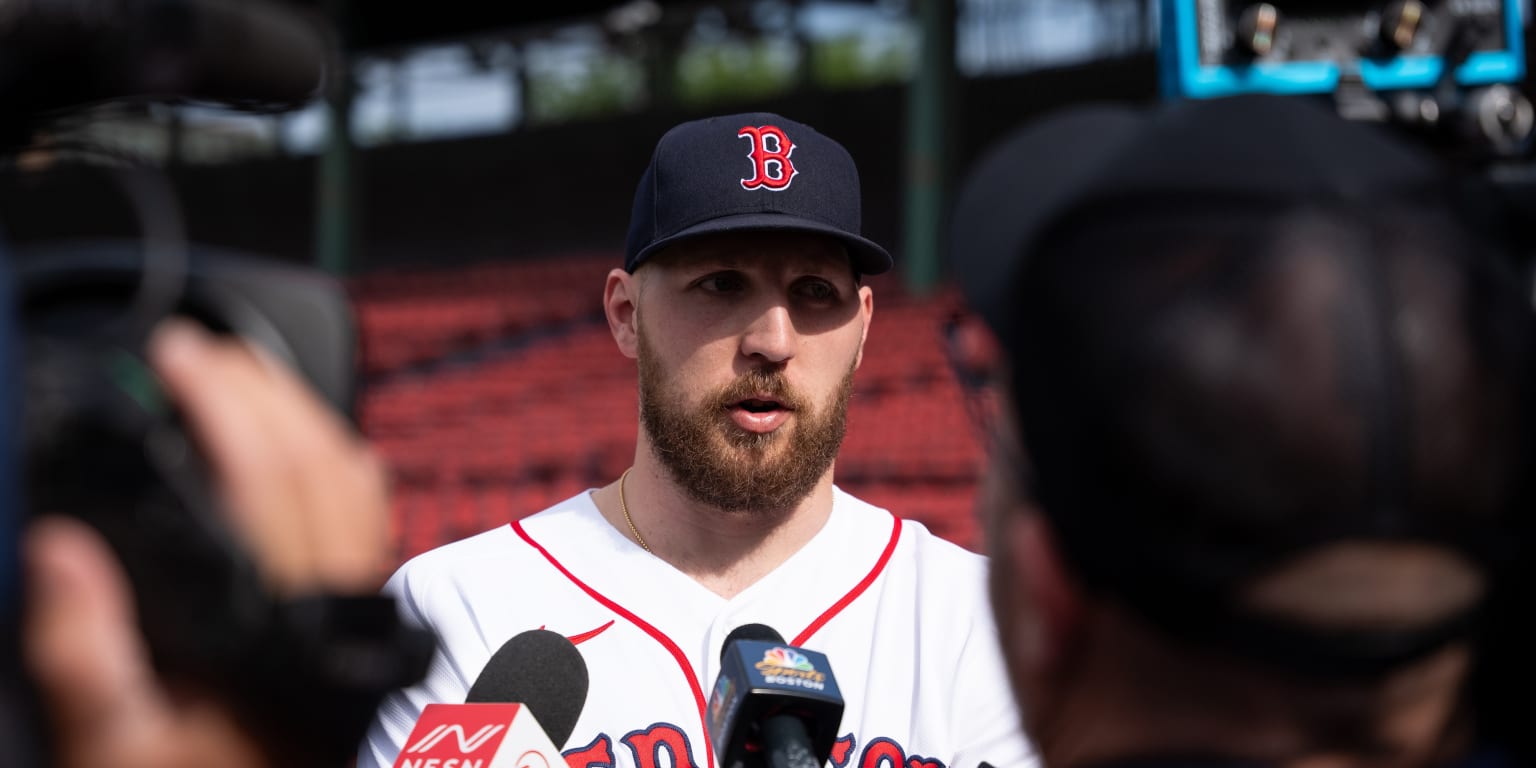
Garrett Crochet's return timeline shifted backward again Sunday when Boston Red Sox manager Chad Tracy announced lat tightness had forced the left-hander off the throwing program. Crochet, who signed a six-year, $170 million deal ahead of last season specifically to stabilize the rotation, was already sidelined by left shoulder inflammation and had not thrown in live action since before the all-star break. The lat issue emerged in the days after his first live bullpen session last Tuesday—the kind of secondary muscle tightness that often signals inadequate load management during early-stage ramp-up. He's now scheduled for imaging in Boston within 48 hours and will halt throwing activity entirely until cleared.
The timing compounds the Red Sox's autumn problem. Boston's rotation ERA sits at 4.32 for the season, respectable but not dominant. Connelly Early and Peyton Tolle have posted sub-2.65 ERAs, and Sonny Gray and Ranger Suarez provide stability, but that group was never meant to carry the load solo into October. Crochet at full strength—the flamethrower who posted a 2.17 ERA and 11.4 K/9 before injury last year—was the difference between a rotation that competes and one that bends under playoff pressure. Instead, the team is now navigating September and beyond with a question mark in their most expensive and prominent slot.
What's revealing in Crochet's own framing is the acknowledgment that this setback came at a structurally vulnerable phase: early in the buildup when load tolerance is lowest and compensation patterns are most likely to create secondary injuries. He characterized the lat issue as almost inevitable—"if it was going to happen at some point, I would expect it to happen right around now"—which suggests either inadequate load progression, structural weakness in the complex, or both. The team's decision to image and halt throwing rather than test through it signals concern that this isn't merely soreness. Soreness doesn't warrant imaging.
For prop purposes, this extends uncertainty over Boston's team total for remaining games. The Red Sox entered play around 83-84 wins on the season; their current stretch run strength depends heavily on whether their functional rotation can stay healthy and pitch deep into games. A three-man core of Early, Gray, and Suarez is capable but not shock-proof, and injury to any of them leaves the bullpen exposed to high-leverage innings. Boston's team total for September and any playoff run now carries elevated risk of underperformance. Conversely, bettors should fade overconfidence on Red Sox pitching props for October unless Crochet clears imaging and completes a full bullpen session—something that may not happen until late September at the earliest, leaving minimal runway to test his readiness before the postseason starts.