Crochet's Shoulder Rehab Stalls After Plyometric Setback; Boston's Ace Faces Uphill Path to Return
By PropBetEdge Editorial Team ·
Nearly three months into recovery, Garrett Crochet has regressed from throwing work and admits no throwing timeline exists—a troubling signal for the Red Sox's pennant hopes.
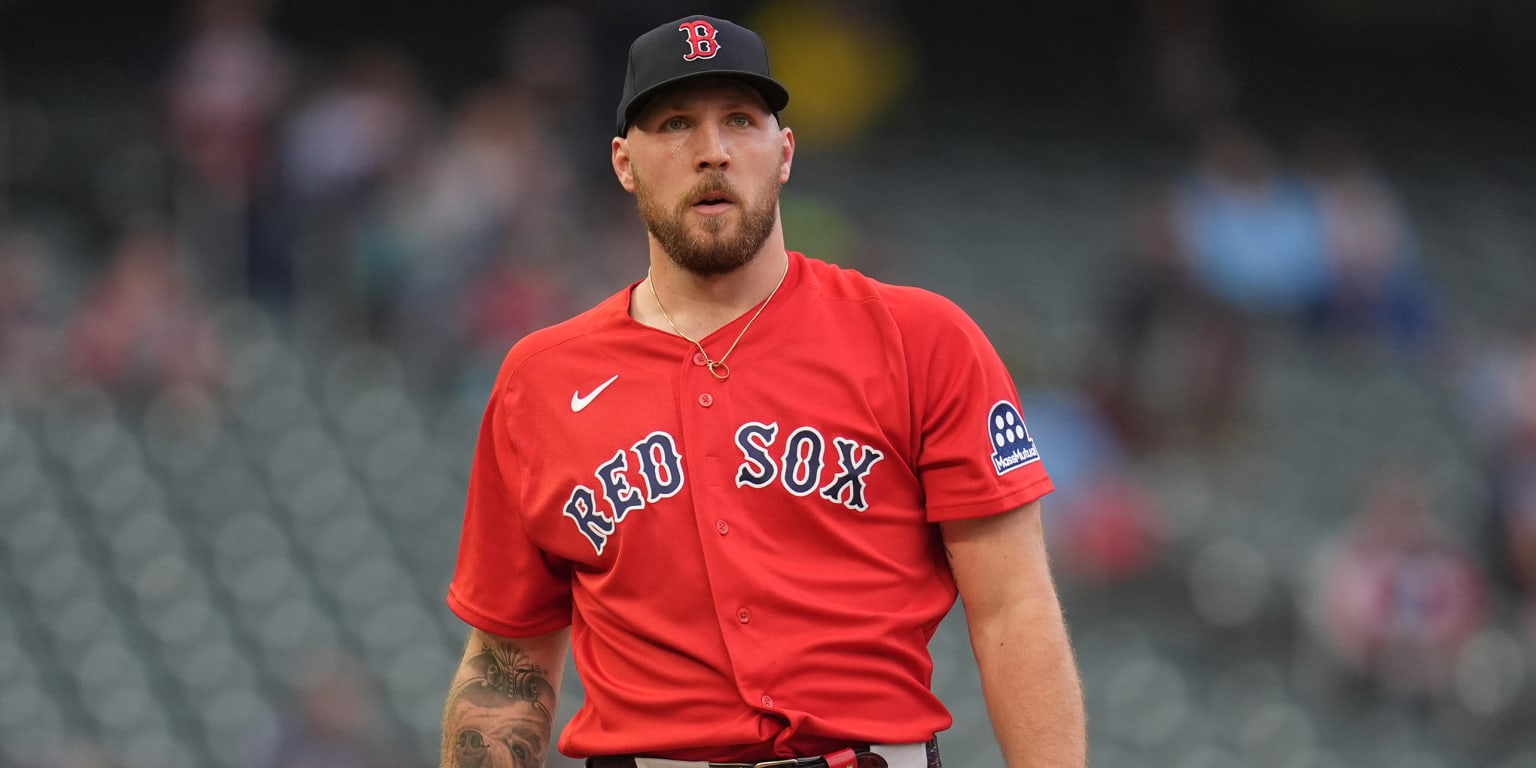
Garrett Crochet has now spent 79 days on the injured list with left shoulder inflammation, and the Red Sox's 2025 Cy Young runner-up has taken a backward step in his rehabilitation. On Friday, Crochet confirmed on the Baseball Isn't Boring podcast that he has stopped throwing plyometric balls—a phase he had begun in late June under interim manager Chad Tracy—and remains without any timeline to resume regular throwing work. The diagnosis has expanded from the initial "left lat tightness" labeled when he hit the IL on April 29 to a more complex shoulder capsule issue requiring targeted rotator cuff strengthening before any throwing progression can resume.
The trajectory here is worth parsing. Crochet said he is "seeing drastic gains" since halting plyos, which on its surface sounds positive. But it also means the plyometric phase—positioned as a stepping stone toward full throwing—was creating enough mechanical stress or inflammation that the team decided to regress. Crochet himself described the situation with candor: "With the shoulder capsule, it's weird. I gotta let it heal while also addressing areas that are surrounding it, with the cuff being the main one." This isn't a one-dimensional injury. The Red Sox medical staff is managing competing demands—capsule stability and rotator cuff load capacity—that don't move in lockstep. Every seven-to-10 days, Crochet gets re-evaluated. No milestone has triggered a green light to return to throwing.
The broader context amplifies the risk. Crochet opened 2026 with a 6.30 ERA across six starts before going down, suggesting he wasn't sharp even before the injury. Boston itself, however, has surged to nine straight wins entering the All-Star break and sits half a game back in a crowded AL Wild Card race. Crochet is acutely aware of that contradiction: he wants to help, and the team is winning without him, which paradoxically gives the medical staff permission to take the conservative road. He admitted he was "not throwing the ball well" before the IL stint, which means even a healthy return wouldn't be a guarantee of immediate production. For Boston's rotation—already stretched—his absence is a manageable short-term problem. It's the mid-to-late-season depth that suffers if September rosters shrink and Crochet isn't available.
For bettors, the betting implication is straightforward: any Red Sox pitching-related props that lean on Crochet availability (team strikeout totals, ERA floors among their rotation, bullpen usage patterns if he can't take a start) should be viewed through a skepticism lens. If a sportsbook prices Red Sox staff ERA on the assumption Crochet returns in August, that's premature. The plyo regression is a signal that the medical team is being cautious—or discovered a problem they didn't anticipate. Crochet's own framing—"I don't really know" what makes you ready to throw again—underscores that there's no predetermined off-ramp. The injury compartmentalization (capsule separate from cuff separate from throwing mechanics) means even "drastic gains" in one area don't predict the next phase. Boston's pitching depth remains under-resourced heading into stretch play, and Crochet's murky timeline makes rotation reliability a material betting risk.