Brewers Break Through No-Hitter in Eighth to Complete Cardinals Sweep
By Erik Schwartz ·
Milwaukee's late offensive eruption against dominant Cardinals starter Dustin May exposes a recurring vulnerability in St. Louis' bullpen depth.
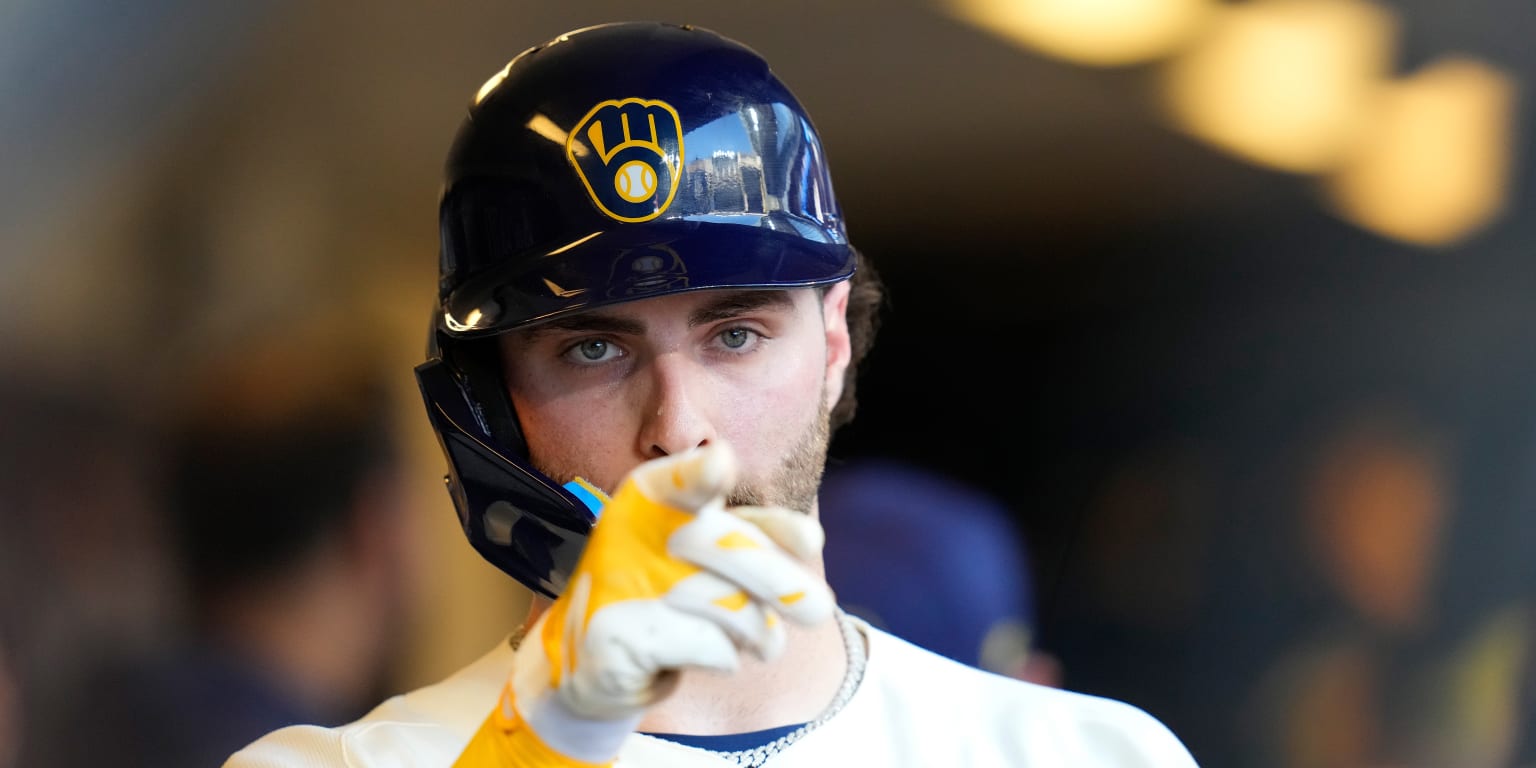
The Brewers completed their third series sweep in May on Wednesday, defeating the Cardinals 2-1 at American Family Field behind a late-inning rally that cut through seven frames of no-hit baseball. Dustin May, the Cardinals starter, needed just 82 pitches to blank Milwaukee through seven innings—a masterclass in efficiency that left the home crowd frustrated and the Brewers' lineup searching for answers. But bullpen deployment cost St. Louis the game. When May exited after Garrett Mitchell's lead-off double in the eighth, the Cardinals turned to left-hander JoJo Romero, who failed to escape the inning. Christian Yelich's two-out single tied the game, and a throwing error from shortstop Masyn Winn on a subsequent grounder gave Milwaukee the go-ahead run. What looked like a dominant pitching performance collapsed in two pitches.
May's dominance through seven frames was legitimate—only two Brewers reached base, both via non-hit means (a hit batter and catcher's interference)—but the Cardinals' decision tree in the eighth revealed a structural problem. St. Louis had no margin for error with May operating on a pitch count that suggested another inning was feasible. Instead, the team elected for Romero, a left-hander facing a left-handed hitter (Yelich) in a one-run game. That mismatch, combined with Winn's defensive lapse, turned efficiency into capitulation.
For betting purposes, this outcome illuminates two separate edges. First, the Brewers' ability to manufacture runs late against inferior Cardinals relief—specifically when May's departure removes the dominant arm from the equation—suggests that Cardinals bullpen games carry elevated under risk when the starter exits before the ninth. Second, Yelich's performance against depleted (or mismatched) relief pitching has been consistent across the season; he operates at a higher xBA and barrel rate when facing relief arms without Stuff+ grades matching the starter. The Brewers' recent sweep trajectory (three sweeps in May, all against winning teams) points to opportunism rather than sustained dominance, but that opportunism is repeatable when backed by specific pitcher-hitter matchups.
The Cardinals' error rate in this series—Winn's miscue capping a broader pattern of sloppy middle-inning defense—also matters for team-total prop modeling. St. Louis has committed 8 errors in its last six games; when error rate spikes, under bets on that team's run total become more valuable because defensive gifts inflate opposing run scoring without requiring sustained offensive execution. The Brewers didn't out-slug the Cardinals; they capitalized on a bullpen decision and a fielding mistake. Both are correctable, which means the Cardinals are unlikely to be this vulnerable again immediately, but the specific matchup of Yelich against Romero in a high-leverage eighth-inning spot is a pattern worth tracking.
Milwaukee's sweep credentials rest on exploiting late-game leverage situations, not on dominant starting pitching or lineup depth. That distinction matters for future series between these teams. The Brewers will not always find themselves trailing into the eighth inning of a no-hitter; they will often face starting pitchers who survive the night. When they do, their run-production model tightens considerably. For now, the market has likely priced in Cardinals resilience after a sweep; overvaluing their bounce-back window could be a trap, but assuming they'll repeat this escape route is an equally expensive mistake.