Orioles End Walk-Off Drought Early: What Cowser's Ninth-Inning Blast Signals About Baltimore's Late-Game Mettle
By PropBetEdge Editorial Team ·
The Orioles secured their first walk-off win of 2026 in their 52nd game—nearly 70 games faster than last season's glacial pace—raising questions about whether Baltimore has genuinely improved its clutch execution or simply benefited from variance.
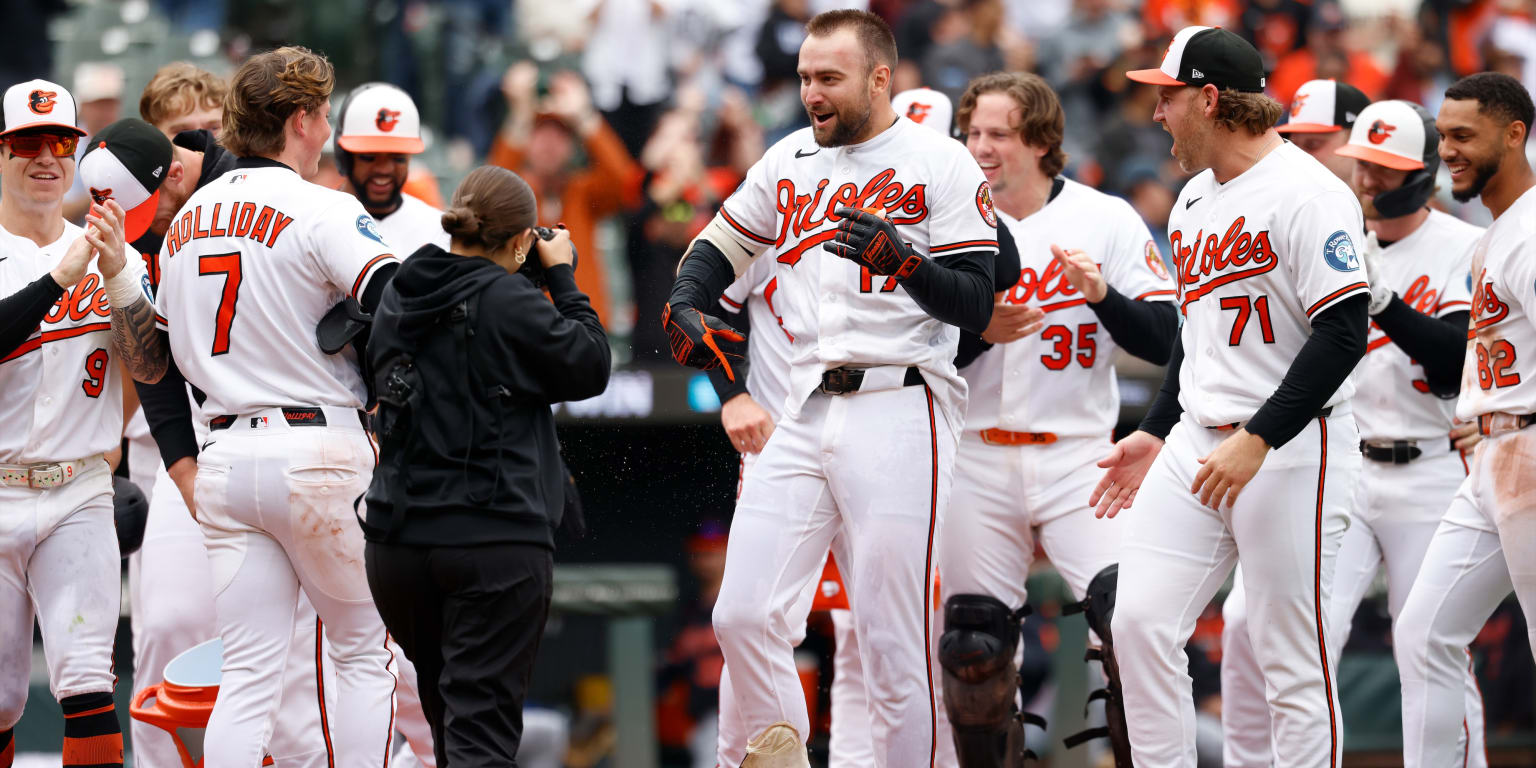
Colton Cowser's 440-foot, 111.5 mph blast in the bottom of the ninth gave Baltimore a 5-3 victory over Detroit on Sunday, ending what had become an organizational embarrassment: the Orioles' hunt for their first walk-off win of the season. Last year, that milestone didn't arrive until game 120—Aug. 13, 2025—making them the last team in baseball to record one. This year's version came in game 52, a 68-game improvement that demands scrutiny.
The setup itself was orchestrated, not fluky. Jackson Holliday drew a one-out walk off Kenley Jansen, stole second with minimal resistance, and then Jansen walked Leody Taveras to load the bases functionally—runners on first and second with two outs. The double steal on the subsequent pitch moved both into scoring position, putting Cowser in a position to end it with a single swing. This wasn't a bases-loaded two-out scenario; it was precision baserunning that forced the Tigers' hand and tightened the strike zone for their closer.
There's a meaningful gap between a walk-off win and walk-off capability. The Orioles scored five runs total, meaning they survived most of the game in a deficit and had to engineer a ninth-inning comeback. That's about depth of roster and ability to stay close, not clutch hitting per se. Cowser's two-run total on the season entering Sunday, combined with the fact that he needed a 440-foot carry to walk it off, signals that Baltimore's power production remains inconsistent—elite when it connects, but sparse enough that an organization this far into the season (52 games, 23-29 record) is still hunting for moments like this one.
From a betting perspective, the timing of this win matters more than the result itself. Orioles moneyline odds have likely tightened slightly on the perception of momentum and clutch competence, but the underlying metrics don't support a dramatic shift. A team at .442 winning percentage (23-29) that took until game 52 to engineer its first walk-off hasn't suddenly become a late-inning powerhouse. The prop angle isn't on Baltimore's next moneyline—the market will price in a small bump—but rather on betting against overreaction to single walk-off instances. If Baltimore's win probability in close games (within one run, final three innings) shows sustained improvement over the next 10-15 games, that's a signal worth chasing. A single walk-off win, no matter how dramatic, is noise in the context of a 162-game season. The market may not see it that way immediately.