Red Sox Shortstop Void Opens Neto Window—But Deadline Cost May Drain the Lineup
By PropBetEdge Editorial Team ·
Boston's 15-game winning streak masks an infield crisis that only a top prospect can solve, and the math on a Neto trade doesn't look clean for a Wild Card team short on depth.
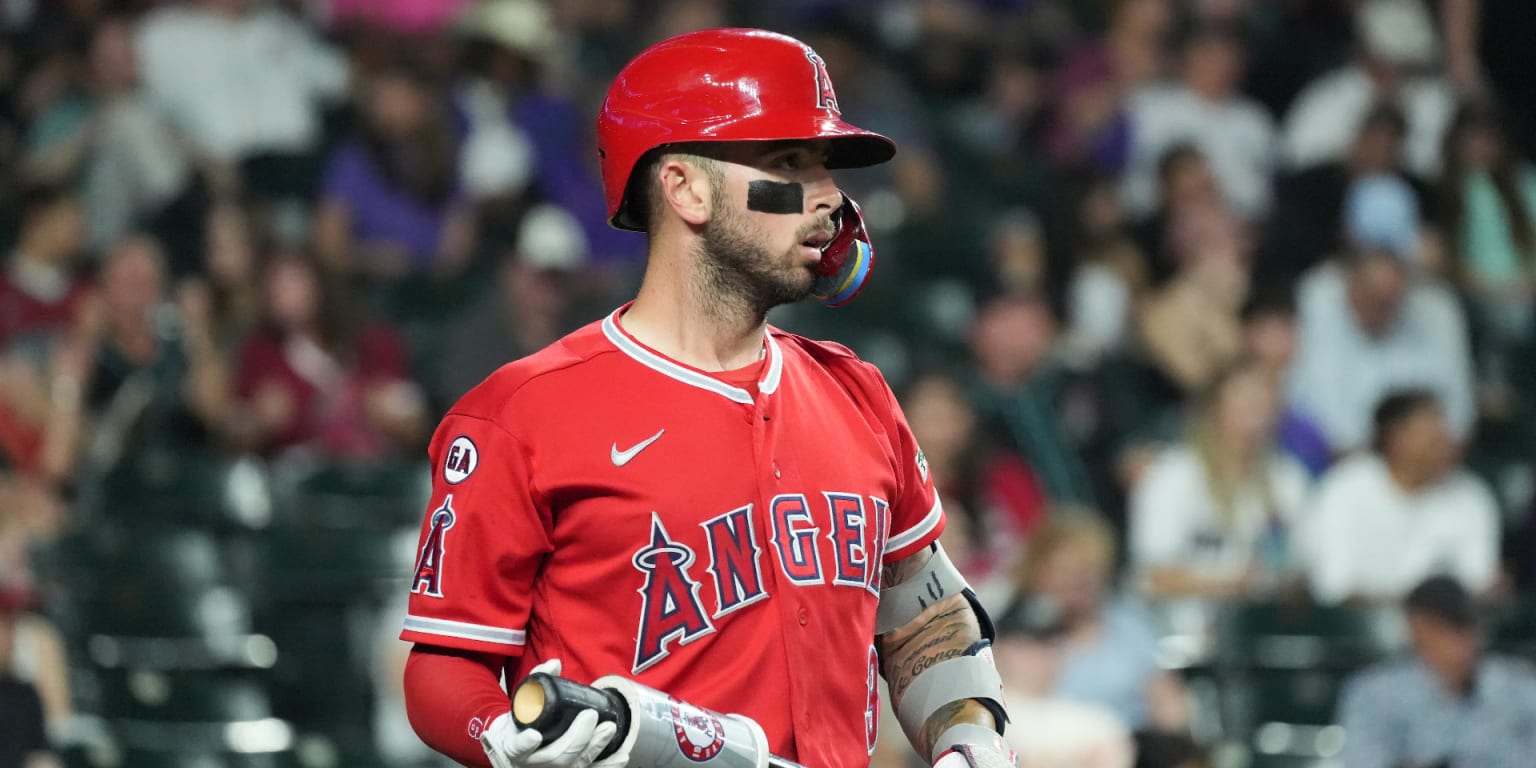
The Red Sox are 11 days away from the trade deadline and have identified Angels shortstop Zach Neto as a major-league fit for their middle infield. The urgency is real: Trevor Story sits on the injured list with a sports hernia and won't return until mid-August at the earliest, leaving Boston's shortstop slot to a platoon of Tsung-Che Cheng (.600 OPS in 44 plate appearances) and Andruw Monasterio (.741 OPS in 180 PA)—neither capable of sustaining a playoff push. Neto, 25, ranks fifth in bWAR (13.4) among shortstops who've played at least 50% of their games at the position since 2024, with 19 homers this year and a track record of 20-homer campaigns. On paper, the fit works.
The problem is leverage. Neto carries just over two years of service time and three additional years of club control, which means the Angels have zero incentive to discount. The Athletic reported that the Red Sox would need to move franchise prospects to land him—specifically Marcelo Mayer, the 2021 fourth overall pick and one of Boston's few remaining high-ceiling position prospects. The Red Sox entered 2026 with an already-depleted farm system after graduating multiple top talents, so trading Mayer is not a band-aid move. It's a capital call on the 2026 season.
Boston's 15-game winning streak, which ended Wednesday, has genuinely vaulted them into the third AL Wild Card spot. But that streak shouldn't mask the underlying structural issue: their depth is thin. A trade that costs Mayer plus additional pieces leaves them vulnerable to further injury or regression. The calculation isn't whether Neto improves the on-field product—he clearly does—but whether winning a weak Wild Card slot now is worth mortgaging the next three years of roster flexibility. For a team that graduated talent, not acquired it, the answer is murky.
For prop purposes, the Neto trade represents a short-term offensive recalibration with significant downside risk. If the deal happens before August 3, Neto enters a lineup that's been swinging hot (15-game streak) but is fundamentally cap-constrained by the prospect cost. His 19 homers and .750+ OPS will prop up Boston's team totals in the short run, but the departure of prospects means the 2027 roster construction shifts from upside-driven to band-aid mode. Boston's team total lines should tighten modestly in the event of a Neto acquisition—not because Neto doesn't hit, but because the deal signals the front office is now in win-now territory, which typically coincides with reduced offensive depth (bench power, pinch-hitting flexibility, injury replacement depth). Over/unders on Red Sox team totals in late August and September should be faded if Mayer leaves town; the win streak masks that the team is thinner than the record suggests.