Quinn Priester's Control Woes Put Brewers' Rotation Plans on Ice
By PropBetEdge Editorial Team ·
When a pitcher can't find the strike zone in his third rehab start, the clock on his return gets longer — and Milwaukee's team totals get more interesting.
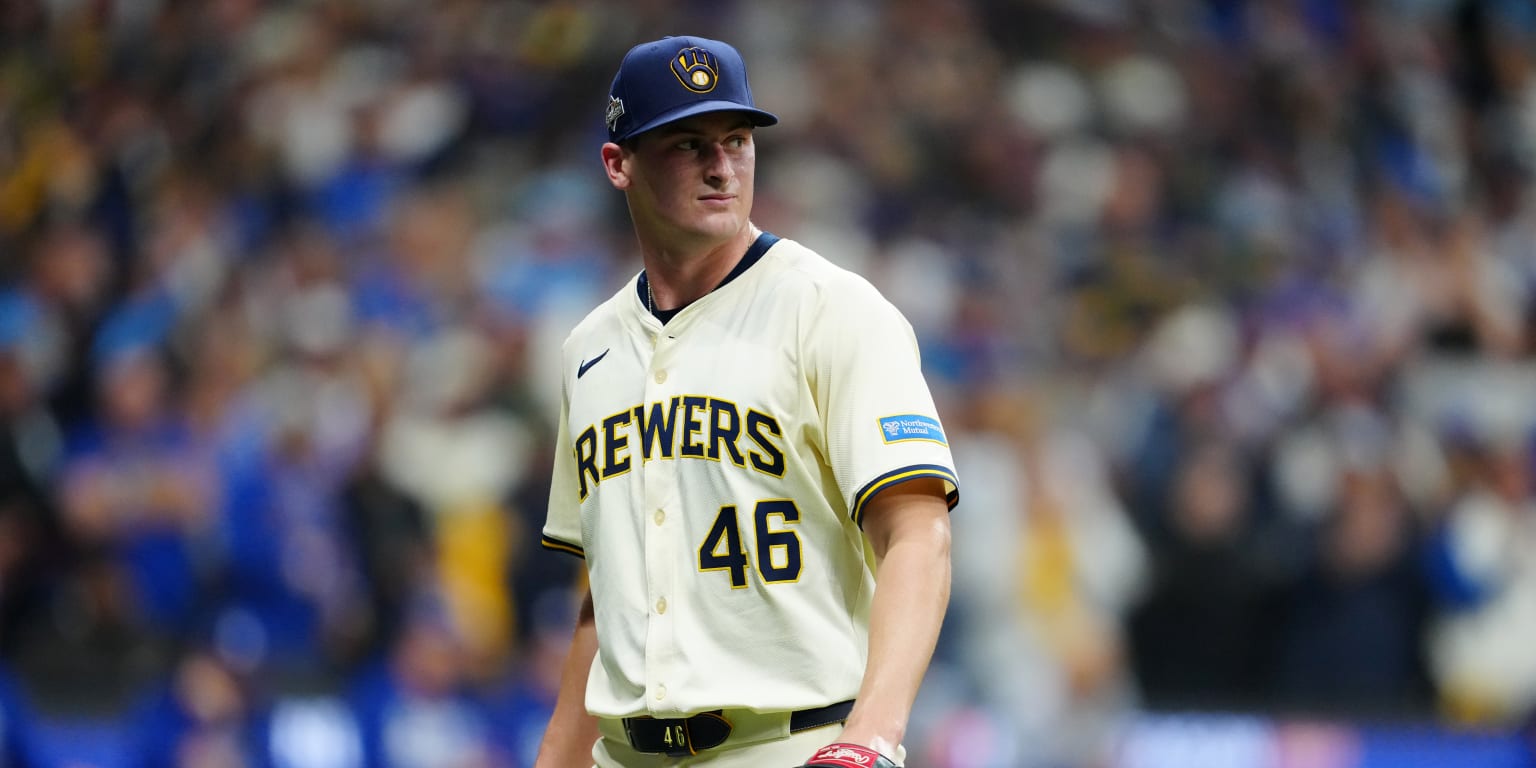
Quinn Priester is not close to returning to Milwaukee's rotation. As MLB.com reported, the right-hander labored through two-plus innings Friday for Triple-A Nashville, throwing just 37 strikes on 62 pitches against Norfolk while surrendering five runs on seven hits. That's back-to-back rehab starts marred by the same problem: he simply cannot command the baseball. The Brewers had penciled in three Triple-A outings before a big-league callup. That timeline is effectively dead.
The underlying issue here is thoracic outlet syndrome — a vascular and neurological condition that compresses the nerves and blood vessels in the space between the collarbone and first rib. For pitchers, the residual effect isn't just velocity loss; it's the tactile connection between hand and ball. Priester himself is experiencing exactly that. Manager Pat Murphy put it plainly before Saturday's game against the Nationals: "When you have this type of injury, it affects your feel of the baseball." That's not a mechanical fix you can make in a bullpen session. It's a neurological recalibration that takes time — and the results confirm it.
There is one legitimate positive to extract from Friday: Priester's sinker topped out at 92.8 mph, up from 92 mph in his previous outing and closing in on his 2025 average of 93.2 mph. Velocity trending back toward baseline is the first domino in the recovery sequence. But velocity without command is noise, and right now Priester is walking leadoff hitters, getting stolen on, and loading the bases before he can record an out. He was sent to Nashville on April 22, which means the 30-day rehab clock expires around May 22 — leaving roughly two weeks to demonstrate he can actually get through a lineup.
For bettors, the Brewers' rotation depth is the variable that matters. Milwaukee has been leaning on a short-handed staff, and Priester's delayed return forces the organization to stretch its available arms. When teams run thin in the rotation, they reach for backend starters or bulk relievers who inflate run environments — and that pushes team totals higher. Watch Brewers home games over the next two to three weeks: if Milwaukee is starting a replacement-level arm, the team total and opposing team total both merit a look over. Specifically, any Brewers game posting a team total at or below 4.0 deserves scrutiny — that number may be underpricing the bullpen exposure that comes with a Priester-less rotation.
The strikeout prop angle on Priester himself is a non-starter until he can demonstrate repeatable command of at least two pitches. A sinker that peaks at 92.8 mph with no secondary command won't miss bats at the MLB level, and there's no reason to project a 2025 K-rate on a pitcher who is still, essentially, learning to hold a baseball again. Fade any optimistic Priester prop lines if and when he does get recalled — until he strings together two clean outings at Nashville, the return is a story to monitor, not a bet to make.