Cole's Strikeout Prowess Can't Mask the Home Run Vulnerability
By Erik Schwartz ·
Gerrit Cole carved up the Pirates with 11 strikeouts and a perfect game bid through three innings, then coughed up two home runs in a quality start that ended in a loss—a reminder that elite whiff rates don't always translate to wins when the long ball finds him.
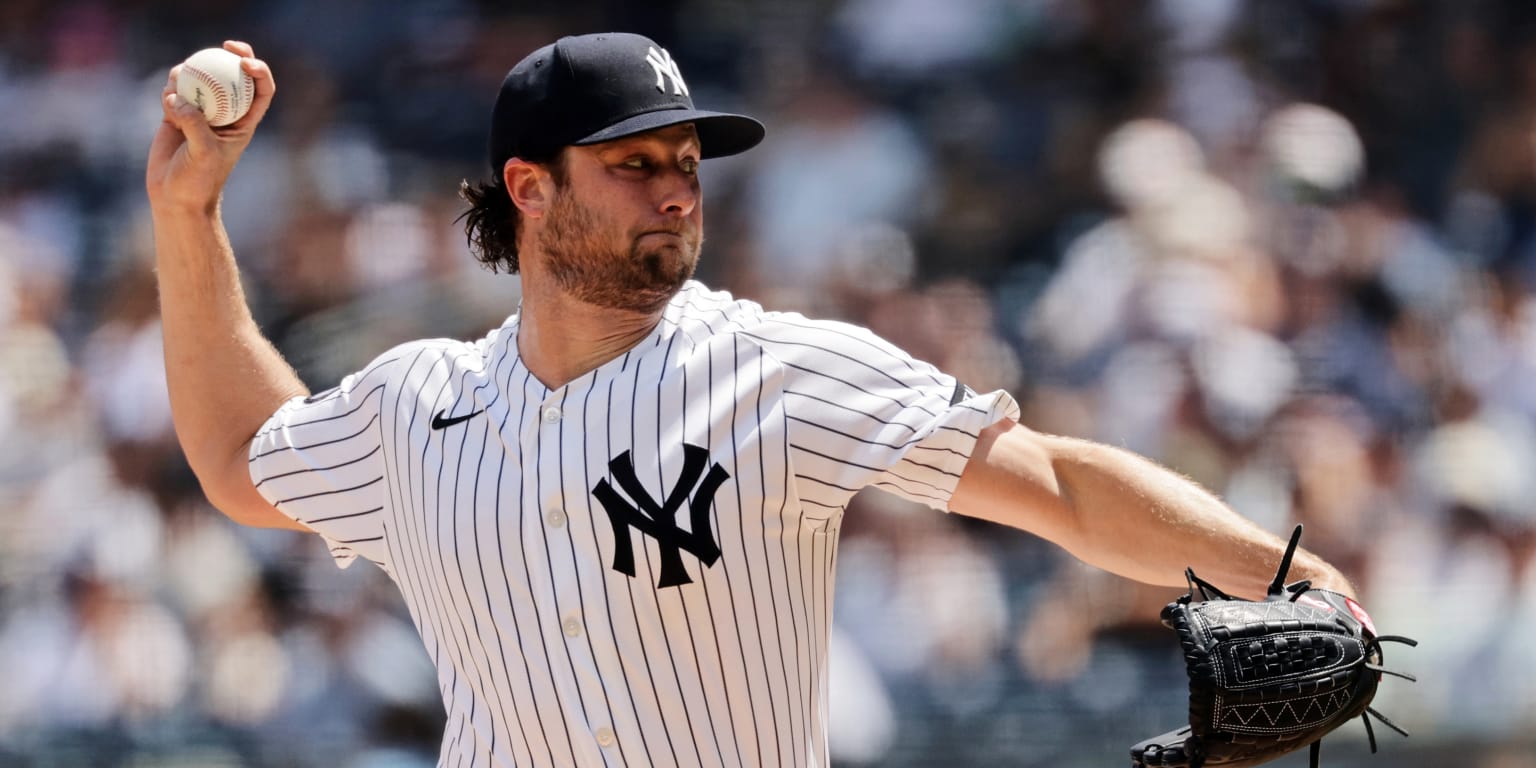
Gerrit Cole was operating at vintage velocity on Wednesday, retiring the first 14 batters he faced against Pittsburgh while striking out eight of them in the process. The right-hander was so dominant through the first three frames that he carried a perfect game into the fourth inning, leaning 51% of his pitches on the four-seam fastball while mixing his secondary offerings—slider and knuckle curve at 15% each, changeup at 18%—to keep the Pirates off-balance. Cole finished seven innings with 11 strikeouts against just four hits and zero walks, marking the second time this season he's reached double-digit strikeouts (the first coming May 27 at Kansas City). It was his 29th such performance as a Yankee, further padding his franchise record.
The problem: two of those four hits sailed over the fence. Nick Gonzales broke the perfect game with a line-drive single in the fourth, then Jacob Gonzalez jumped on a down-the-middle changeup for a two-run homer that same inning. A third Gonzalez (also Jacob) added a solo shot in the seventh, gifting Pittsburgh a 3-0 advantage that Cole couldn't overcome. Even Ben Rice's three-run bomb in the seventh—his 30th of the season, tying the game—couldn't salvage the Yankees' 5-3, 10-inning defeat. Cole did generate 21 swings and misses, his highest total in a single game since August 10, 2024, yet the home-run exposure overshadowed the strikeout mastery.
This is the tension that defines Cole's current profile: his command and stuff are reproducing elite whiff-rate outcomes, but his pitch sequencing against aggressive fastball-hunting opponents leaves him vulnerable in the zone. The Pirates, despite their standing, came to the Bronx aggressively attacking the fastball early in counts, and Cole's decision to ride the four-seamer over 50% of his pitch mix—a necessary adjustment when your secondary offerings are working—created opportunity cost. Against teams that don't balk at fastballs in the strike zone, Cole's strikeout ceiling is real. Against teams that do, the home-run risk spikes.
For prop bettors, Cole's 11-K outing doesn't necessarily shift his strikeout baseline going forward; one elite performance against a below-average strikeout rate defense (Pittsburgh ranks 23rd in K%) doesn't rewire the matchup pool. However, his upcoming schedule matters. Strikeout props benefit from facing patient, chase-prone lineups—the kind that swing early and miss. The Yankees' next rotation slot will tell you whether Cole faces a contact-heavy team that ambushes fastballs (home-run risk, lower strikeout ceiling) or a walk-prone team that works deeper counts (strikeout ceiling rises). Cole's 11-K output was sustainable in terms of stuff and command, but not in terms of opponent profile. His strikeout line for the next start should be monitored for downward adjustment if the opponent ranks in the bottom half of strikeout rate; the reverse applies for top-tier strikeout-rate defenses.