MLB · milestone
Cavalli's Eight-Inning Masterclass Signals Nationals Can Lean on Ace Deep Into Postseason Races
A career-high eight innings with a near no-hitter and 10 strikeouts proves the workload concerns around the young righty are overblown—and his pitch efficiency creates a durable edge on strikeout props.
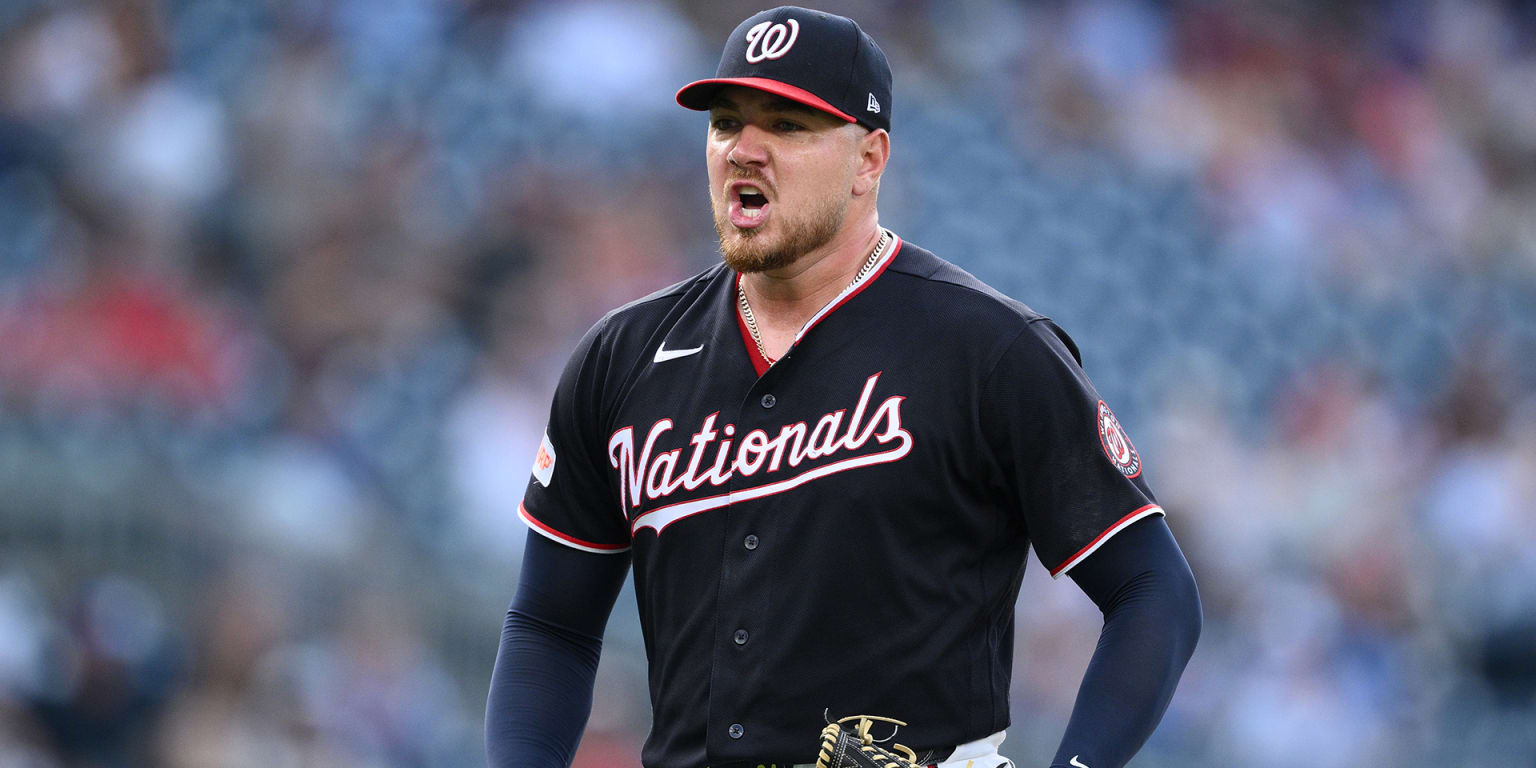
Cade Cavalli delivered the kind of outing that forces front offices to reassess their injury management protocols. On Thursday at Nationals Park, the 27-year-old right-hander navigated eight innings against the Cubs while carrying a no-hitter into the seventh, allowing just one hit and two walks with 10 strikeouts in a 7-0 win. It marked his first career eight-inning appearance and came just one day before his 28th birthday—a statement of durability from a pitcher who entered the day with 25 starts already logged, the most of his professional career.
What makes Cavalli's performance resonate beyond the box score is the mechanism driving it: pitch efficiency. He required only 54 pitches through five innings, retiring 15 consecutive Cubs to start while working ahead in counts against a team averaging 7.1 runs over its prior nine games. His breaking ball was particularly sharp against a Cubs offense ranked second in the majors in runs scored. Manager Blake Butera noted the efficiency early—"if he keeps this up, we're going to have a decision to make later in the game. This is complete-game type of pitching"—and Cavalli validated that assessment by needing just 103 pitches across eight frames. Butera even confirmed postgame that had the no-hitter held, Cavalli would have gotten the ball for the ninth, regardless of any back-end rest considerations.
This performance caps a seven-start quality-start streak, the longest active streak in baseball and the longest by a Nationals starter since Max Scherzer's 14-game run in 2019. Over his last nine starts, Cavalli posts a 2.36 ERA with a .203 opponents' average—elite control paired with elite strikeout stuff. The Cubs offered a meaningful test: not a bottom-feeder, but a mid-tier offense that doesn't chase. Cavalli's response was methodical, hitting 98.9 mph on his fastball in the sixth and still touching 103 mph on his 103rd pitch in the eighth. That's velocity maintenance over eight innings, a hallmark of sustainable workload tolerance.
For bettors, the strikeout prop becomes the relevant vehicle. Cavalli's 10-K game came against a Cubs lineup that struck out 7.1 times per game on average over the nine games prior—well below his 10-per-game ceiling but reflective of a team with actual contact discipline. The fact that he cleared 10 strikeouts while throwing just 103 pitches means his K-rate is not dependent on blown-out pitch counts or garbage time relief work; it's a function of a dominant fastball-breaker combination that generates whiffs on competitive pitches. Over his last nine starts, he's averaging 9.4 strikeouts per game. Sportsbooks will likely price his next outing conservatively—potentially 8.5 to 9.5 strikeouts—anticipating regression or overvaluing the workload risk. But Cavalli's efficiency profile and velocity retention through eight innings suggest the strikeout floor remains sticky. The Cubs also ranked 10th in strikeouts allowed per nine innings; the next opponent shapes the ceiling, but the floor is unlikely to crater given his pitch-command profile.
The Nationals have now signaled they're willing to let Cavalli work deep into games without artificial pitch-count caps. That messaging alone repositions his ceiling upward on strikeout markets for the remainder of August and into any postseason push. A pitcher throwing 98–103 mph with a sharp breaking ball and 103-pitch, eight-inning performances under his belt is not a candidate for throttling.
MLB Intelligence — Baseball intelligence beyond the box score. Open MLB Intelligence →