Carter's Diving Catch Masks a Real Problem for Texas
By Ty Whitney ·
A spectacular play in Boston turned into an early exit for the Rangers' center fielder, signaling potential depth stress heading into a crowded weekend slate.
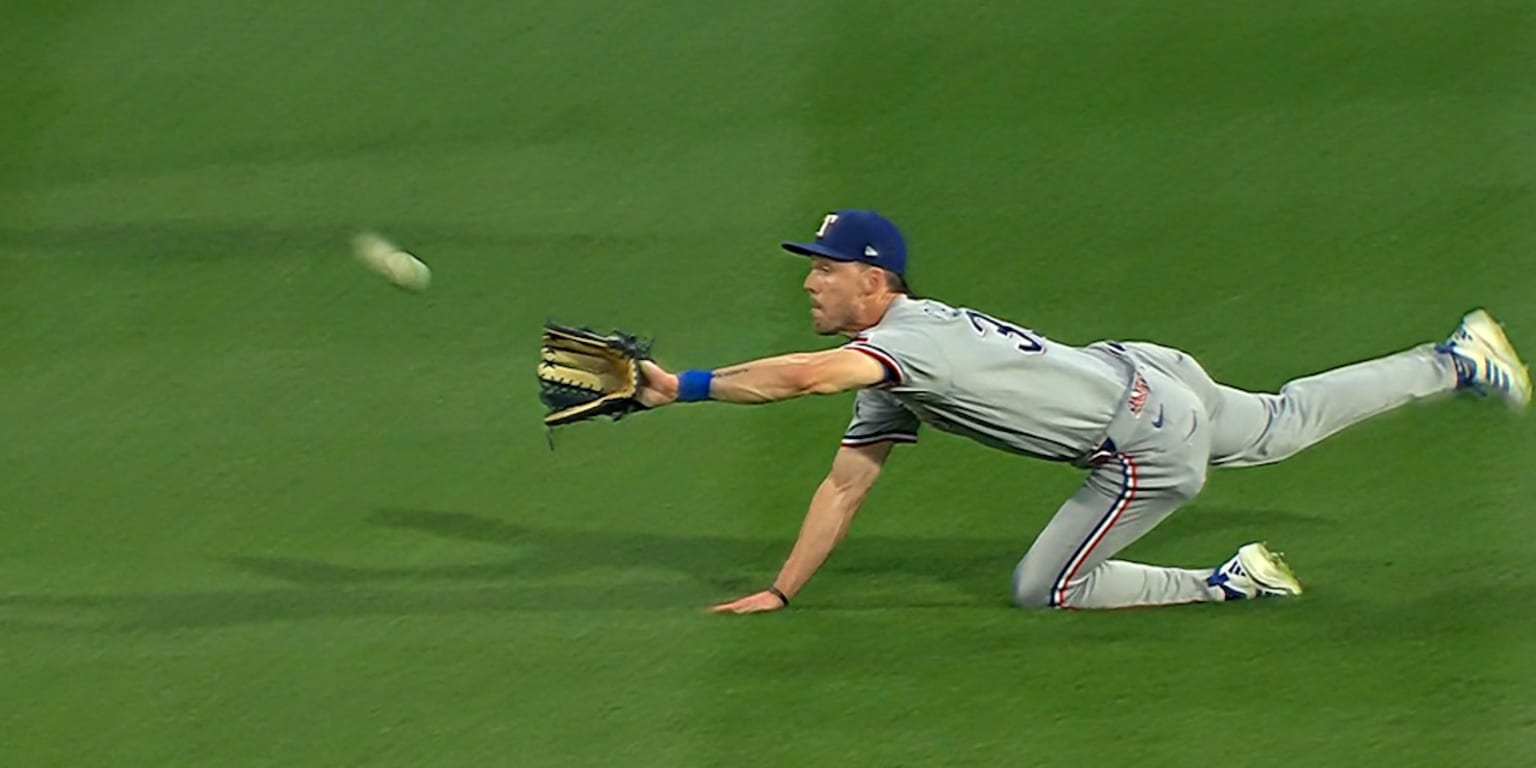
Evan Carter made the play everyone will remember Friday night—a head-first dive in shallow center field during the fourth inning that robbed Boston of a base hit. Then he made an exit nobody wanted to see. Carter was pulled one inning later with right oblique soreness, leaving the Rangers without their productive center fielder and forcing a defensive shuffle that screams vulnerability in an already thin outfield.
The timing stings. Carter had recorded hits in four straight games entering Friday's matchup, building momentum at the plate. Against Boston, he was hitless—0-for-2 with two strikeouts—before the injury forced his withdrawal. The Rangers' response was immediate: Wyatt Langford shifted from left field to center, Nicky Lopez moved to left, and Justin Foscue entered at second base. That's three positional changes born from necessity, not strategy.
Oblique injuries are particularly insidious in baseball because they affect both offensive and defensive functionality. A player can swing through pain, but diving, extending for balls, and explosive first-step acceleration become genuine hazards. The Rangers now face a decision tree: Is this a one-game precaution, a multi-week absence, or something more chronic? The market will price this as 50-50 until clarity emerges, but the team's handling—removing him after just one inning of soreness—suggests internal concern that runs deeper than routine inflammation.
For prop bettors, Carter's exit creates immediate volatility in Texas's lineup construction and run-production estimates. Without him, the Rangers lose a high-contact bat who was generating consistent at-bats in the No. 3-5 range. Against Boston's right-handed starter, that's meaningful offensive displacement. The team total and individual Rangers hitter props will adjust downward as sportsbooks recalibrate roster depth and run-scoring ceiling. Langford's hasty relocation to center field is also worth monitoring—his defensive fit matters less than his offensive consistency, and shuffling him could temporarily suppress his counting stats while he acclimates to a new position.
The durability question compounds Texas's Week 2 scheduling. If Carter lands on the injured list or misses multiple games, the Rangers' depth advantage in the outfield evaporates. That's a durable edge worth surfacing now: fade Texas team totals and individual run-prop overs for the next 48 hours until the team provides a clearer injury window. Early numbers priced before this exit will carry value on the under side, but that edge erodes once the market has a full picture of Carter's availability.