Correa's Season Ends Without Setback: Houston's Infield Void Widens Into October
By Erik Schwartz ·
Carlos Correa will not return to the Astros in 2026, closing the window on a mid-season comeback that never materialized despite no new injury.
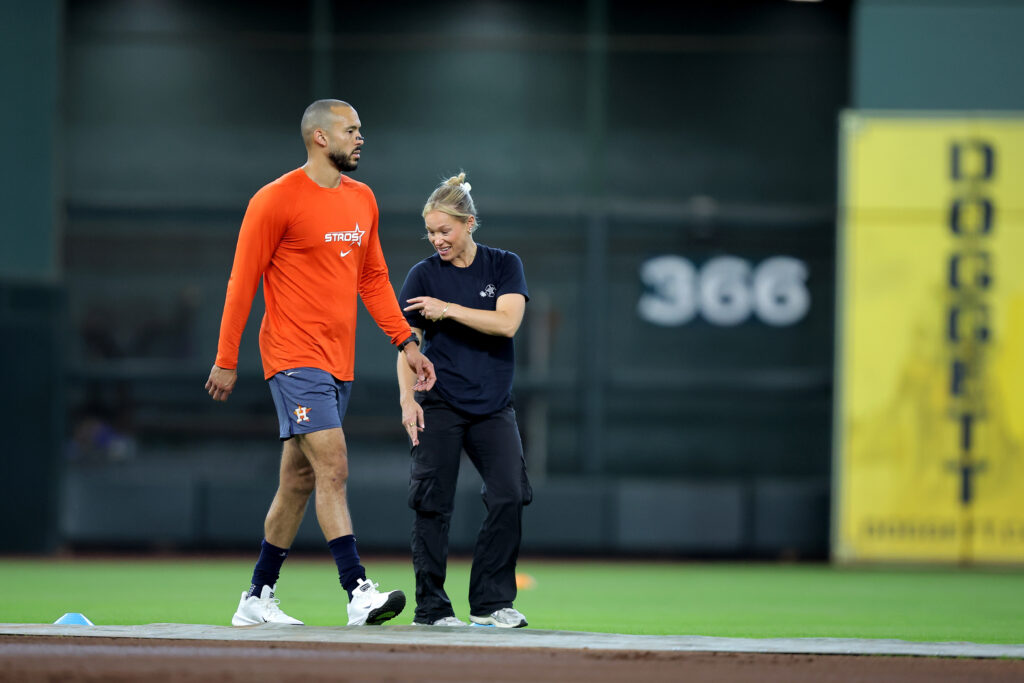
Houston manager Joe Espada confirmed Tuesday that Carlos Correa will remain on the injured list through the end of the regular season, per reporting from The Athletic. The decision came without a fresh setback or recurrence of the underlying injury that sidelined him earlier in the year. Instead, Espada cited the cumulative toll of recovery work—the daily grind of rehab, conditioning, and game-readiness protocols—as the determining factor. At this stage of a season fighting for playoff positioning, the Astros determined that Correa's gradual return carried more risk than benefit.
The calculus here matters beyond Houston's locker room. Correa was signed to be the franchise's foundational infielder and, in theory, a cornerstone for a World Series push. His absence from mid-September onward signals either that the injury damage was more extensive than initially disclosed, or that the Astros' medical staff made a conservative call to preserve his availability for next season rather than gamble on a compressed on-field ramp-up. Manager commentary rarely offers that level of candor about workload decisions—the phrase "recovery became too much" is organizational shorthand for: we do not believe he will be ready to contribute at the level we need, at the speed we need it.
For bettors, Correa's removal tilts Houston's lineup calculus in a measurable direction. His absence forces the Astros to lean on fill-in shortstops and shift infield positioning during the final stretch and playoffs. This is not a neutral swap. Correa's offensive profile—career .279 BA, 27 HR pace over a full season—anchors run production in the middle of the order. Without him, Houston's team total and run-line exposure shifts. Opponents facing an Astros lineup missing a top-five contributor gain a small but real edge in run prevention, particularly against right-handed pitching where Correa's left-handed bat offered platoon flexibility.
The betting market has likely already digested Correa's sidelining once his initial injury was announced, but the confirmation of no-return status should prompt a reassessment of Astros totals for remaining regular-season games and any wild-card matchups. Team totals in the 4.0–4.5 range become more vulnerable to unders, not because the offense has suddenly collapsed, but because the variance around run production widens without a known, reliable bat in the middle. Opponents will adjust their bullpen usage and defensive positioning knowing one fewer power threat occupies the lineup. This is a small edge—Houston still has Kyle Tucker and other contributors—but it persists through October.
The larger story is Houston's roster health entering the final month. Losing Correa, even without a setback, narrows the margin for error in a competitive division and playoff format. Sportsbooks have not fully punished Houston's odds yet; they are still pricing the team as if depth can fully offset Correa's absence. That pricing lag is the edge for sharp unders on team totals over the final three weeks of the season.