Cardinals Dump Roycroft; Another Rays Salary Shed That Whispers Past Deadline Risk
By Ty Whitney ·
St. Louis trades a mid-rotation arm to Tampa Bay for future consideration, continuing a pattern of deadline-season dumps that rarely signal hidden value.
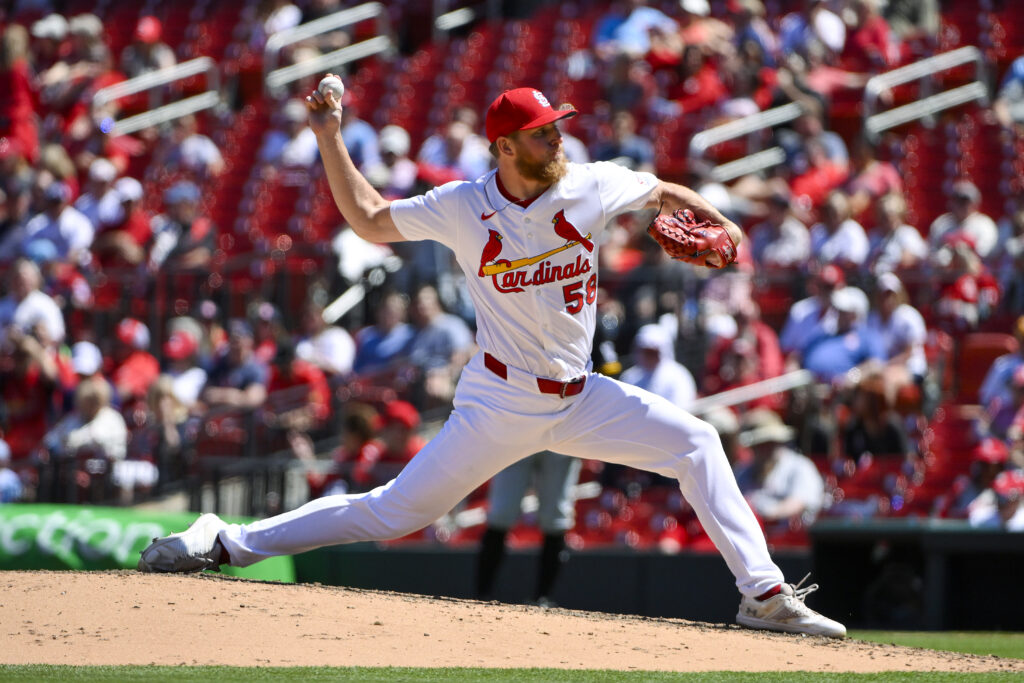
The Cardinals moved right-hander Chris Roycroft to the Rays on Tuesday, offloading the reliever via a player-to-be-named-later or cash swap after designating him for assignment days earlier. Tampa Bay simultaneously designated catcher Dom Keegan to clear roster space. Neither move screams headline material—these are the organizational housekeeping plays that happen dozens of times each June as rosters tighten and payroll constraints bite.
But the transaction sits inside a broader narrative about Rays front-office behavior that has material consequences for how to evaluate Tampa Bay's mid-season acquisitions. The Rays have built a reputation for low-cost flier trades—moves that look forgettable at the moment of exchange but occasionally surface a talent the original organization undervalued. The counterweight is equally real: the Rays also process a lot of organizational jetsam. Roycroft, by virtue of St. Louis designating him, was redundant at best and marginal at worst. Keegan's designation suggests Tampa Bay saw the same thing.
For bettors, this matters less for what Roycroft will or won't do in a Rays uniform and more as a signal of where Tampa Bay's internal valuation sits at the season's midpoint. The Rays rarely overpay in trades; they rarely overpay in free agency either. When they do acquire a name with upside—a Sanchez-caliber arm before the 2022 deal that sent him to Philadelphia—the market tends to catch up within 18 months. The inverse also holds: acquired depth rarely beats expected value. Keegan's removal from the roster suggests the Rays weren't convinced he would either. Bettors shouldn't read hidden value into waiver-wire acquisitions simply because Tampa Bay made them. The team's brand of smart doesn't extend to player evaluation errors; it extends to discipline and opportunity cost.
For now, Roycroft's arrival in Tampa carries no immediate prop impact—he's depth relief, unlikely to accumulate high leverage innings this season. Keegan's departure from the 40-man removes a backup catcher with minimal seasonal fantasy footprint. The trade itself is a non-event from a betting standpoint. Where it does matter: monitor Rays pitching reinforcements in the next 10 days. If Tampa Bay sits idle on acquisitions through the deadline window and instead leans on internal depth like Roycroft, expect their bullpen and total-innings props to face compression late in close games. Conversely, if they acquire a veteran arm, the market's implicit confidence in their ability to win close contests should tick up slightly. Neither outcome is here yet, but the Roycroft trade—framed as another organizational shuffle—is a breadcrumb suggesting Tampa's confidence in their internal ceiling remains modest.