Walker's Derby Fame Fades Fast as Cardinals Stumble in Busch Return
By Ty Whitney ·
The All-Star's homecoming ovation couldn't spark St. Louis' offense; Arizona's pitching flipped the script after the first inning.
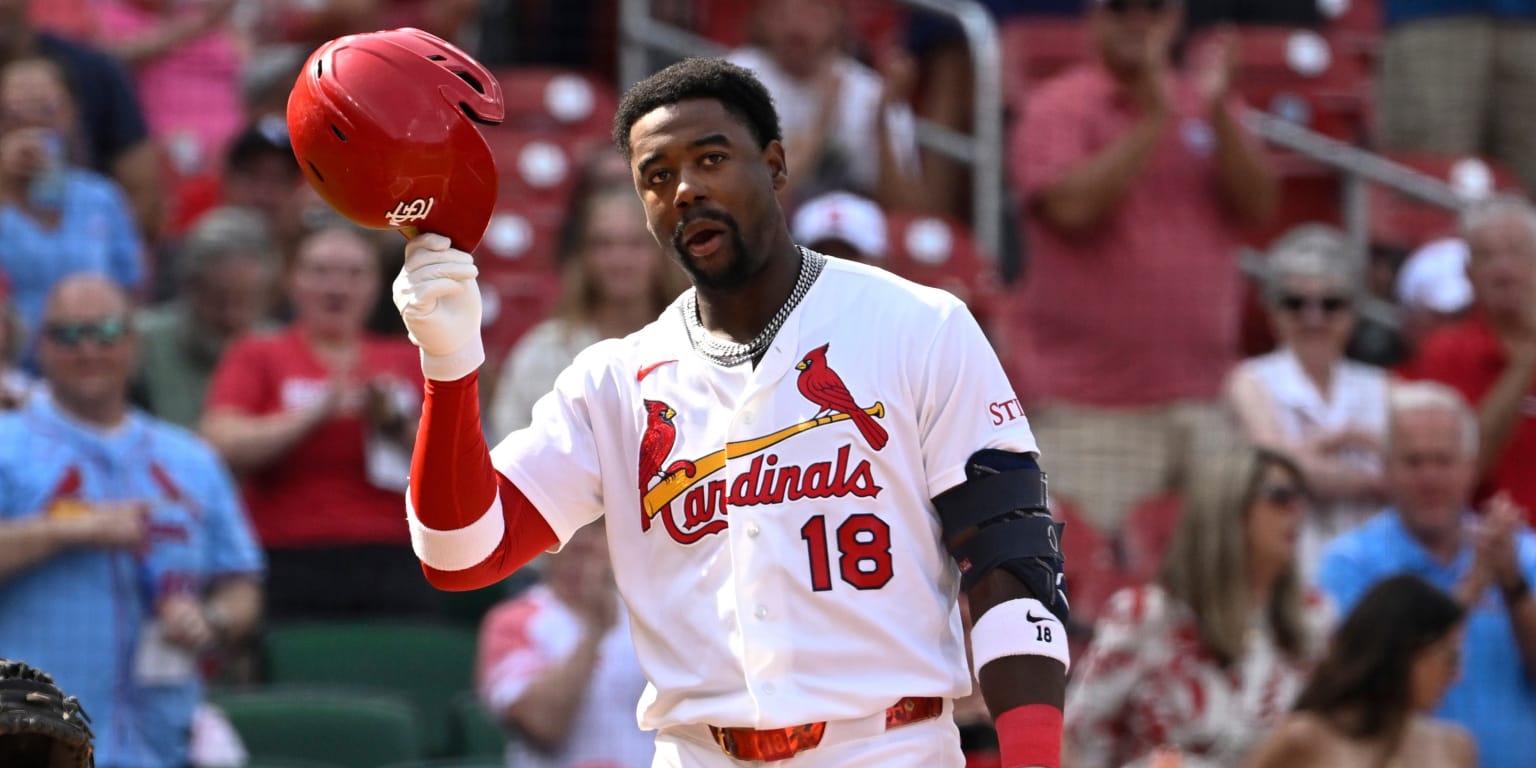
Jordan Walker came home a hero Thursday afternoon. Ten nights after winning the T-Mobile Home Run Derby in Philadelphia, the Cardinals' All-Star right fielder stepped into Busch Stadium for a makeup game against Arizona and drew an immediate ovation from 32,381 fans. He responded with a first-pitch double that gave St. Louis an early 2-0 lead. Then the game fell apart.
The Cardinals' offense—which rank 28th in July with a .636 OPS—managed exactly one more run across the next eight innings. Arizona starter Brandon Pfaadt, who allowed two runs in the first, settled into a rhythm and cruised through five straight scoreless frames. Three relievers combined to surrender six runs in 2⅔ innings, and the game got away from St. Louis in a hurry. The 10-6 loss marked the latest installment of a quiet stretch at the plate that has defined the Cardinals' month. Manager Oliver Marmol acknowledged the missed opportunity: after loading the bases with hits to open the game, St. Louis failed to add a third or fourth run when Arizona's pitcher was still vulnerable. "We let them off the hook," Marmol said.
The deeper concern is structural. St. Louis' lineup has produced just four runs across their last two games combined—a 1-0 win Wednesday in Anaheim followed by this defeat. In July, the team's slugging has been pedestrian enough that even bunching baserunners doesn't guarantee runs. Walker's individual heroics—the Derby title that seemed "like two years ago" to Marmol by Thursday—haven't translated to lineup momentum. The All-Star's RBI double was merely the opening act of a game that exposed how thin the Cardinals' offensive margin for error truly is.
For prop bettors, this game offers a stark lesson about context collapse. Walker earned a standing ovation and delivered a loud double in his first at-bat, but that narrative beat does not extend to team run production. The Cardinals' early two-run outburst masked their July offensive reality: they need to generate multiple crooked numbers because their sustained power is unreliable. Looking forward, St. Louis' team total lines should remain suppressed—not because of one bad game, but because their July OPS ranking and recent run-scoring droughts reveal that early leads rarely hold into late innings. Unders on Cardinals team totals have merit when the opposing pitcher has even moderate stuff to work with, particularly once St. Louis enters games trailing or tied late.