Canzone's two-homer day exposes Seattle's binary offense: homers or bust
By PropBetEdge Editorial Team ·
The Mariners' 44-25 record when they homer versus 8-29 without one makes their dependence on the long ball a repeatable betting signal, not a warning sign.
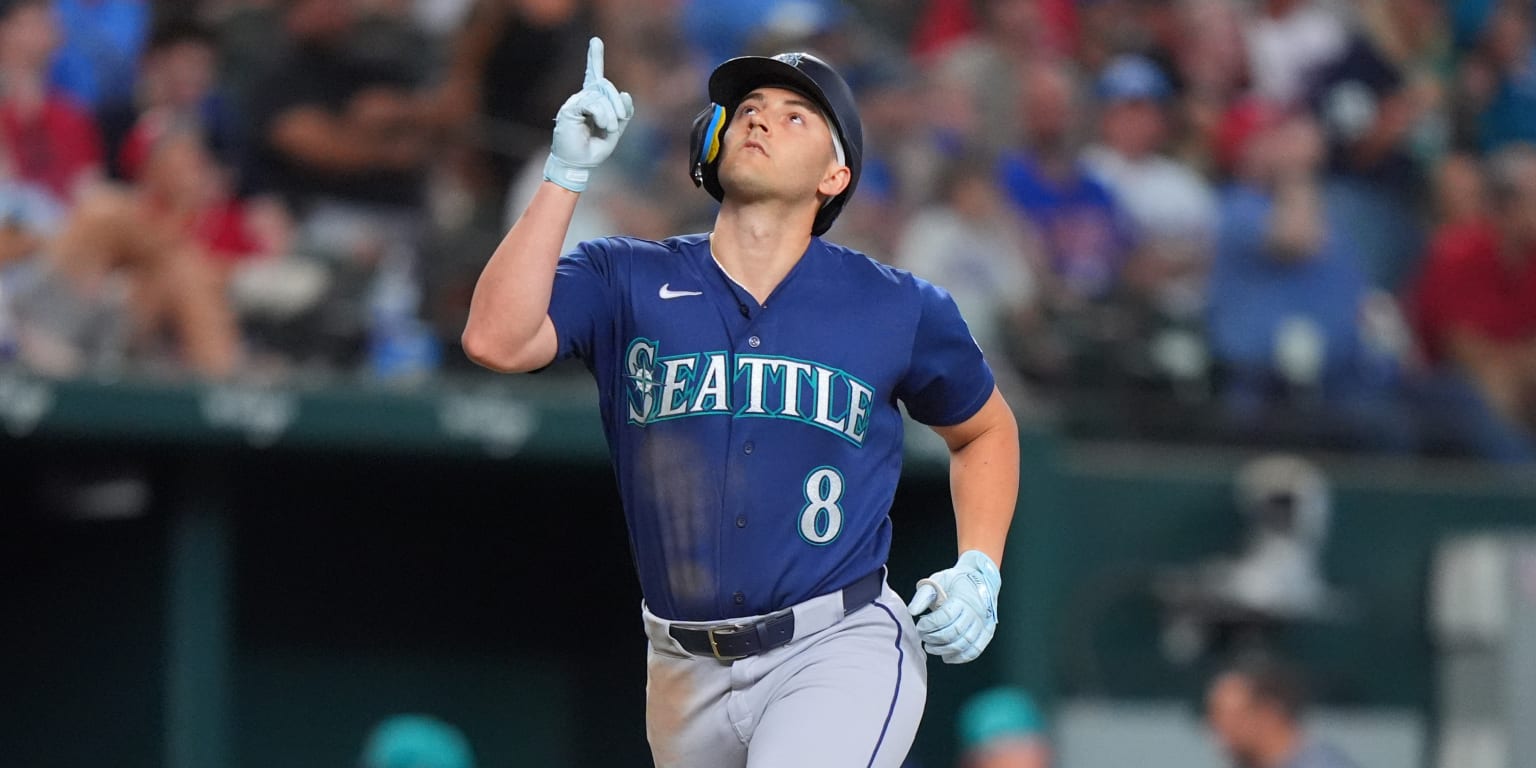
Dominic Canzone delivered a three-run homer into the second deck at Globe Life Field on Sunday, then added a go-ahead double in the ninth to lift Seattle past Texas 6-4 and snap a four-game losing streak. Randy Arozarena followed with a 400-foot blast of his own in the same seventh inning. The Mariners' ability to execute when the ball is in flight kept them alive in Arlington; without those two swings, this game belongs in the loss column alongside the four that preceded it.
But the story underneath this comeback win is far more durable than a single Sunday performance. The Mariners have not homered since Julio Rodríguez's blast on Tuesday—a four-day drought that coincided precisely with their four-game skid. That correlation is not coincidental. Seattle's record splits the narrative with surgical clarity: 44-25 when they leave the yard, 8-29 when they don't. No other team in baseball is as bifurcated by the home run. The Mariners are not a balanced offensive unit that happens to slug; they are a slugging offense that collapses when the power outage occurs.
Canzone enters this equation as the stabilizer. He has been Seattle's most consistent contact hitter through the stretch, and Sunday's three-hit performance—including the go-ahead bomb and the late double—reflects his role as the offset to the volatility above and below the lineup. When the Mariners' headline sluggers go cold, Canzone often remains available. When they heat up, as Arozarena did in the seventh, the compounding effect is lethal. This is not a team that wins 2-1 or 3-2; this is a team that either wins 6-4 or loses 1-0.
For prop bettors, this structure creates a clean angle on team totals. Sportsbooks price Seattle's totals assuming a baseline mix of outcomes—some home-run games, some contact games, some dry spells. But the Mariners' actual distribution is heavily weighted toward binary outcomes. On days when their top sluggers (Rodríguez, Arozarena, Kyle Seager) are in rhythm, team totals tend to spike. On days when they are not, the Mariners' offense becomes a wading pool. Canzone's consistency matters, but it is not sufficient to carry the lineup alone when the power core idles. The betting implication: avoid mid-range team totals (around 4.0-4.5 runs) against Seattle's pitching matchups. Instead, lean either higher (5.5+) on nights when their sluggers have recent power indicators, or lower (3.5 or less) on stretches following multi-day homer droughts or against elite fastball-dominant arms that suppress the long ball.
Sunday's win does not reverse the trend; it confirms it. The Mariners got their power back and won decisively. Monitor whether Rodríguez, Arozarena, and the supporting cast sustain this rhythm. If the drought returns, so will the losses—and team totals will be severely discounted.