MLB
The Ohtani Pitching Question Reshapes the NL MVP Race
Ohtani's uncertain return timeline to the mound could hand Pete Crow-Armstrong the award by default—and oddsmakers haven't fully priced that scenario yet.
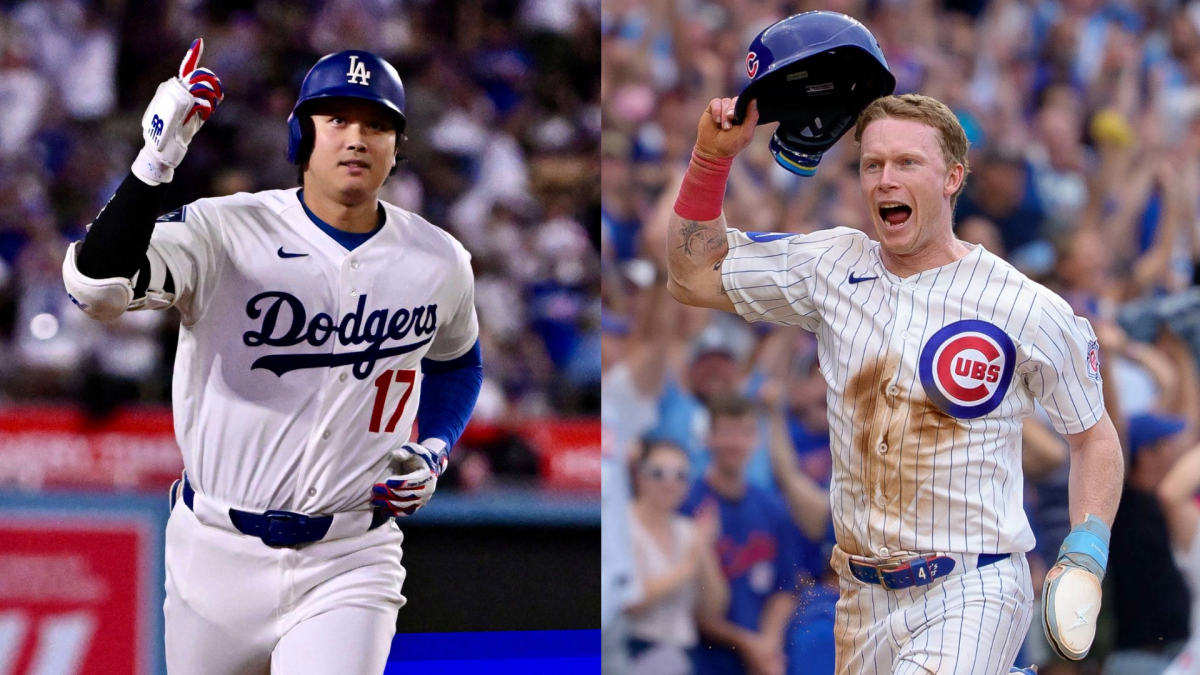
The National League MVP race hinges on a single variable: whether Shohei Ohtani actually pitches again before October. On Wednesday, both Ohtani and Cubs center fielder Pete Crow-Armstrong delivered clutch hits in wins, keeping their teams (Dodgers 73-48, Cubs 71-50) locked in a battle for postseason positioning. But the MVP calculus isn't about August heroics. It's about what happens over the next six weeks as Ohtani navigates a throwing progression that remains noncommittal at every stage.
The hitting numbers favor neither candidate convincingly. Ohtani (.292/.393/.544, 157 OPS+, 27 HR, 74 RBI) and Crow-Armstrong (.284/.384/.544, 156 OPS+, 27 HR, 73 RBI) are virtually interchangeable in batting value. Crow-Armstrong's advantage emerges elsewhere: he's stolen 30 bases (compared to Ohtani's 7), ranks fifth in the NL in baserunning value (4.9 BsR), and—most critically—he's the majors' best defensive player by fielding run value, outs above average, and defensive WAR combined, logging over 1,029 innings in center field. Ohtani doesn't play a defensive position when healthy, and he hasn't pitched since July 3. By the book, Crow-Armstrong is the superior position player, period.
Ohtani's case rests entirely on his pitching resume. His 8-2 record and 1.79 ERA across 85⅔ innings would be dominant—if those innings translated into a qualifying workload. They don't. A pitcher needs 162 innings to qualify for ERA titles; Ohtani is 35 innings short and won't approach that threshold. Manager Dave Roberts has signaled that any innings Ohtani throws amount to "bonuses," suggesting a bullpen or spot-start role rather than a starter's load. The timeline alone—several days of long toss, a bullpen progression, live batting practice, and a gradual return to games—means Ohtani could realistically throw 10-15 innings down the stretch if health cooperates. That's not enough to swing an MVP vote that's otherwise tilted toward the player who plays defense.
From a betting perspective, oddsmakers have been slow to reflect just how precarious Ohtani's path back is. MVP odds typically price in uncertainty around return dates, but they discount the possibility that Ohtani never reaches starter's workload—or pitches meaningfully at all. If Ohtani throws only spot relief (say, one or two innings per appearance, 8-12 innings total), the narrative shifts hard toward Crow-Armstrong's sustained two-way excellence. The market is still treating Ohtani's pitching return as binary (he returns and pitches 40+ innings, or he doesn't pitch at all), when the actual risk is in the tail: limited innings that pad his stats without changing the MVP dynamic. Oddsmakers overweight the "Ohtani mound return" scenario and underweight the "Ohtani returns but only as a reliever" scenario, which is far more likely given Roberts' language and the compressed calendar.
Crow-Armstrong's MVP odds should widen in his favor if Ohtani misses another two weeks or if he returns with only spot-start usage. The edge exists in fading Ohtani's odds at current prices—not because he can't win, but because the pitching-volume scenario priced into those odds is increasingly unrealistic. Oddsmakers set lines assuming a traditional return to starter's role; the actual path is much narrower.
MLB Intelligence — Baseball intelligence beyond the box score. Open MLB Intelligence →