Cade Smith's Splitter Ascent Masks a Fastball Decline—And Why It Matters for Relief Props
By Ty Whitney ·
Cleveland's elite closer has engineered a mid-season pitch portfolio shift that sustains his strikeout rate even as his signature heater loses bite—a pattern that carries real implications for how books price his leverage-inning workload.
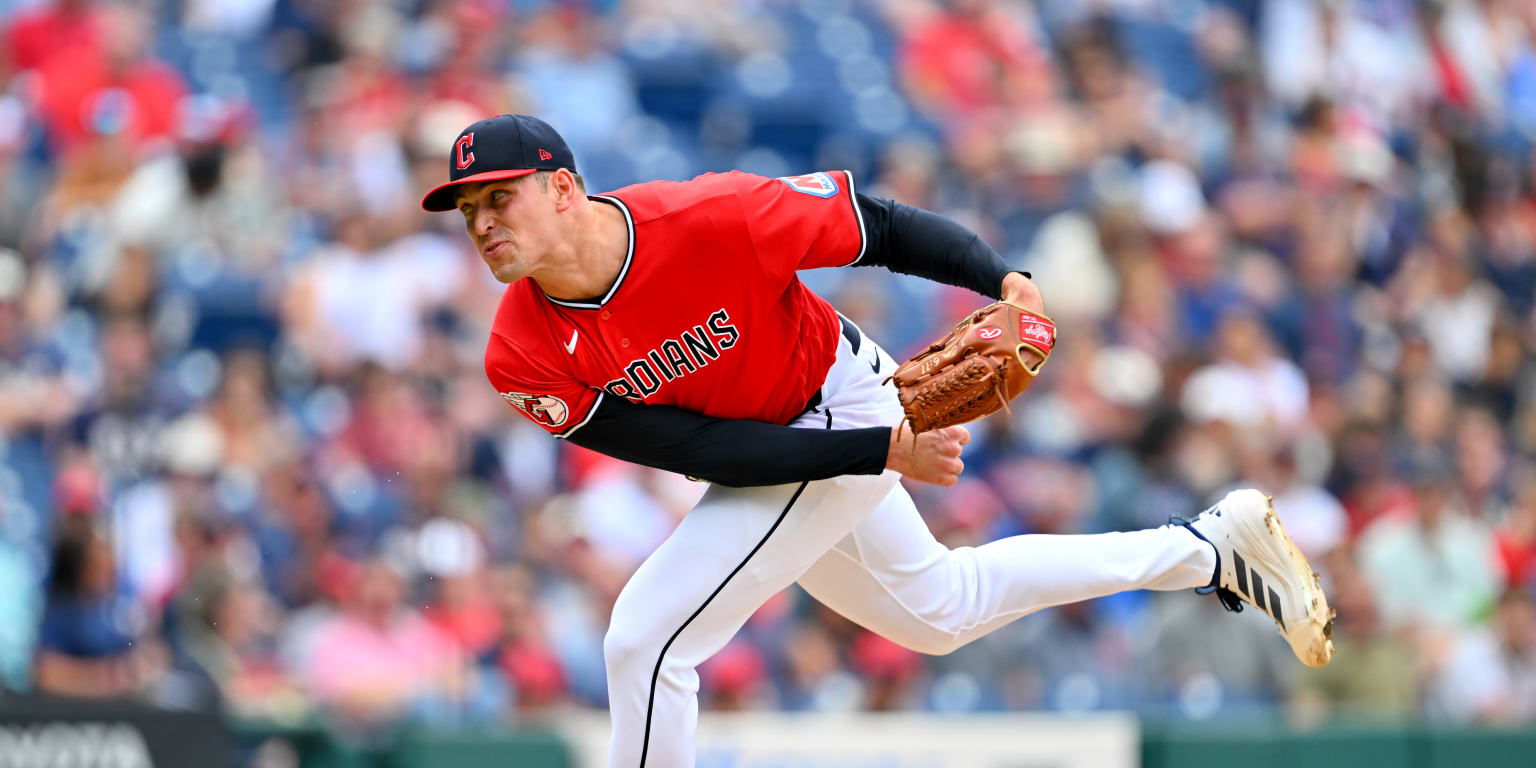
Cade Smith's fastball is no longer the second-most valuable pitch in baseball, and he's done something about it. The Cleveland closer's four-seamer, which accumulated a +40 run value over 2024–2025 and ranked among the sport's most dominant fastballs, has cratered this season. Hitters are batting .290 off it with a 50% hard-hit rate, up sharply from a .170 average and 37.6% hard-hit rate last year. Simultaneously, his splitter has evolved into an elite pitch—one carrying just 583 rpm (the second-lowest spin rate on any qualified splitter since 2015) and a .148 batting average with a .113 expected BA. Smith still owns a 2.48 ERA with 23 saves and a 99th-percentile strikeout rate at 38%, suggesting the pitch transition has kept him effective despite the fastball's decline.
The mechanics of Smith's splitter improvement are worth dissecting. The pitch has dropped from 863 rpm in 2024 to 711 rpm in 2025 to 583 rpm in 2026—a deliberate, steady reduction that appears intentional rather than accidental. Simultaneously, the splitter's vertical drop has increased to 42.2 inches, second only to Logan Gilbert's, despite Smith throwing it at 86.4 mph rather than Gilbert's 81.1. That extra drop at a comparatively higher velocity creates a tunnel effect; hitters see what looks like a fastball out of Smith's hand, then watch it disappear below the zone. Catcher Austin Hedges credited Smith's "maturation" as a pitcher, noting the splitter improved in action as Smith refined his feel for it. This isn't luck or a sample-size mirage. It's a calculated repitch away from declining stuff toward a weapon that hides better.
The market has priced Smith's overall dominance—his 23 saves leads the majors—but hasn't fully articulated why that dominance persists despite the fastball's damage uptick. Books currently price leverage inning reliance (closer usage, appearances in tie games or one-run margins) based largely on established closer roles and ERA. Smith's role is secure, but the mechanism sustaining his strikeout rate has shifted. His fastball is now a setup pitch, not a put-away weapon. His splitter is the true out-pitch in high-leverage spots. This matters because splitters carry higher whiff rates than fastballs, meaning Smith's K-prop benefits from additional strikeout variance—the splitter whiff rate sits at 48.5%, well north of typical fastball rates. Over a full season of relief appearances, that split accounts for 3-5 additional strikeouts per reliever compared to a traditional fastball-dominant closer.
The edge emerges in Smith's strikeout props specifically in games where he faces 12+ pitches (typical leverage appearance volume). At his current 38% K-rate and a splitter-heavy arsenal, his prop lines (typically set around 1.5–1.8 strikeouts per appearance) are anchored to his ERA and save total, not to the splitter's 48.5% whiff rate. Books are slow to reprrice relief K-props when a pitcher's overall numbers stay clean—Smith's 2.48 ERA masks that his fastball is hittable and his splitter is now the anchor. If Smith's workload stays consistent and his splitter continue to deceive (no reason to believe otherwise given the mechanical precision), strikeout overs on Smith should outperform their price. The angle survives because it's tied to a multi-week improvement in pitch sequencing, not a single hot streak. Smith appears headed to the All-Star Game later this month, a milestone that validates his season-long performance and likely increases his late-inning leverage opportunities as the Guardians make a pennant push.