Cubs Bullpen Salvage Mission: Cabrera's Reliever Pivot Signals September Desperation
By Ty Whitney ·
Chicago's bullpen ERA has ballooned to 6.62 over its last 10 games, and the team's solution is retooling a starter with repeated blister trouble into a short-relief weapon.
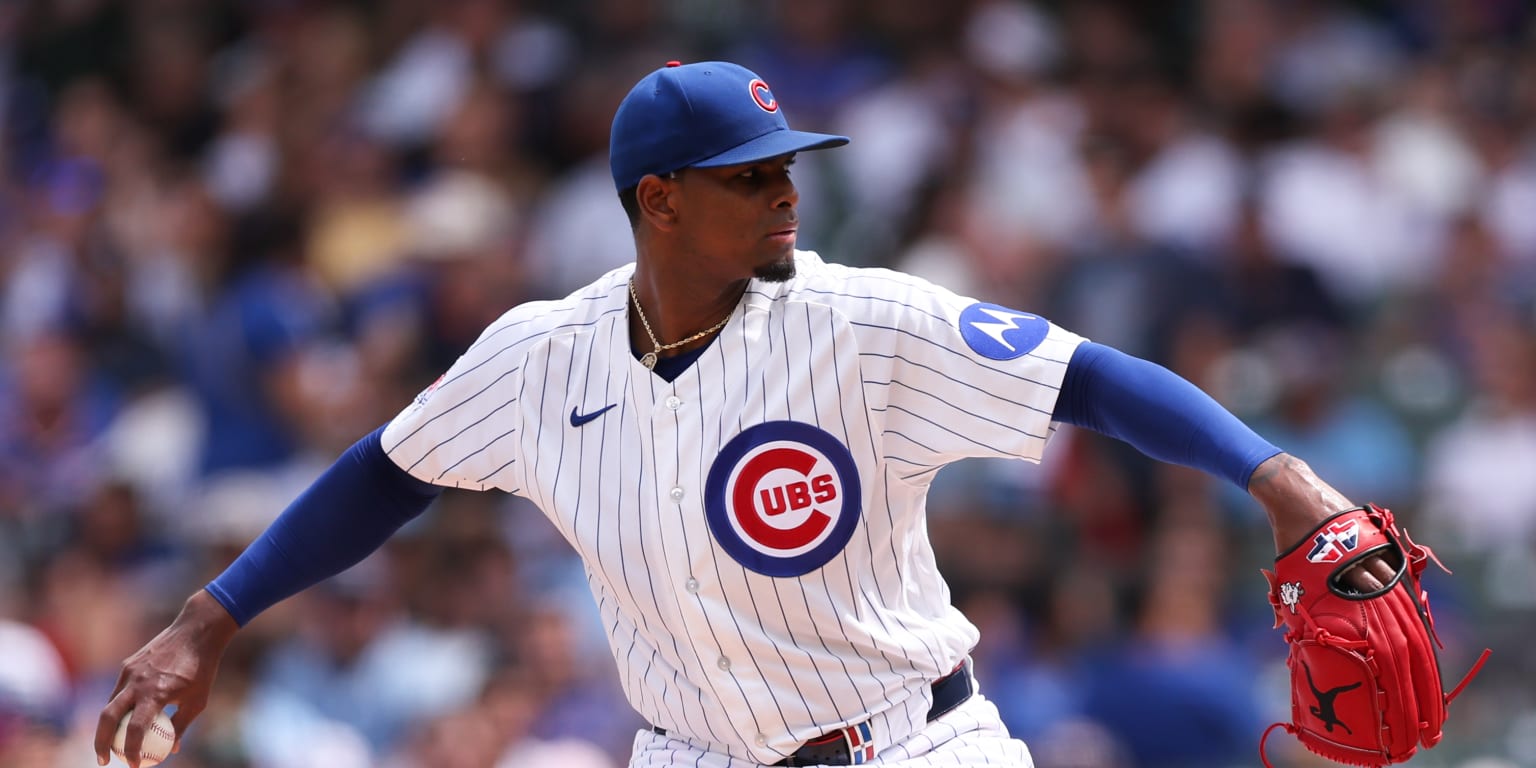
Edward Cabrera took the mound for Triple-A Iowa on Tuesday night and delivered what Cubs manager Craig Counsell called a first step: 17 pitches, one solo homer, three outs, two strikeouts. The appearance marked Cabrera's return from the injured list after an Aug. 17 blister recurrence on his right middle finger—the same injury that has plagued him throughout his first season in Chicago. But the ink on that box score matters less than what it represents: a wholesale tactical shift with implications for September roster construction and bullpen leverage situations.
Cabrera arrived in Chicago last offseason as a starting pitcher with a high-end fastball-slider combination. Instead, he posted a 5.68 ERA across 15 starts, his progress repeatedly interrupted by finger blisters. The Cubs' front office faced a binary choice: shut him down for the season or experiment with a different deployment model. Converting a starter into a reliever isn't novel strategy, but the timing—with the bullpen coughing up eight runs after the sixth inning in Tuesday's 9-4 loss to Milwaukee—suggests organizational pressure is mounting. Daniel Palencia, the team's right elbow reclamation project, couldn't stop the bleeding, recording just two outs and two runs charged. Over the last 10 games, Chicago's bullpen ERA sits at a season-worst 6.62, the kind of number that erases leads in September races.
Cabrera isn't alone in this pipeline. Shelby Miller, working back from right elbow surgery, threw a scoreless inning for Iowa on Tuesday. Justin Steele, who lost essentially two seasons to elbow issues, is scheduled for his Triple-A rehab debut Wednesday. Javier Assad becomes eligible to return from Triple-A on Sept. 5. The Cubs are running a high-volume audition process, but Counsell's framing reveals the calculus: these are internal options, not saviors. "Certainly open to it being something that's impactful," he said of Cabrera's reliever trial, a careful qualifier that signals managed expectations. The Cubs' best relief arms—the ones already on the roster—need to pitch well. That's the starting point. Cabrera and the returning arms represent upside, not foundation.
For prop bettors, this shapes bullpen usage and strikeout distribution in a specific way. Cabrera's conversion to relief, if it progresses beyond Friday's next scheduled outing, could push him into higher-velocity, shorter-burst situations where his strikeout rate typically climbs. As a starter, his frame-dependent control issues contributed to his ERA inflation. In relief, 17 pitches per appearance means he touches his premium stuff without fatigue-driven deterioration. The risk: a pitcher with recurring soft-tissue injury dealing with blistering conditions and inconsistent minor-league competition likely sees high variance in his early relief outings. One scoreless frame against Triple-A hitters doesn't validate the model. Conversely, if Cabrera does advance and logs September relief appearances against big-league hitters, his strikeout prop could carry value if priced on starter assumptions—his 7.6 K/9 as a starter may compress due to shortened outings, but his per-pitch whiff rate could expand in a relief role. Watch Friday's outing for pitch count, velocity, and control markers before loading up on his props at the big-league level.